












Ophthalmologists remain in touch with colleagues while maintaining social distancing
Ophthalmologists remain in touch with colleagues while maintaining social distancing
Cynthia Matossian, MD, FACS, explains why she believes if ophthalmologists consistently evaluate the ocular surface, tear film and lid margins—and treat any problems that we find—surgical outcomes will improve.
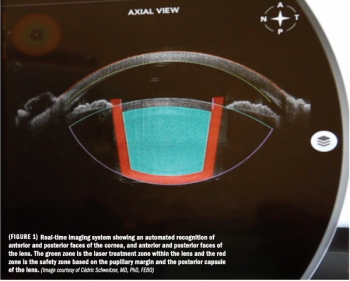
The FEMCAT study found that FLACS is not superior to conventional approach
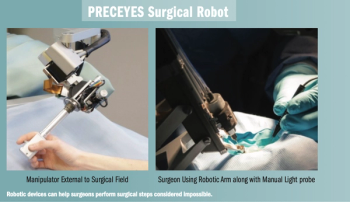
Robotic-assisted procedures are proving more precise in every way when compared with manual procedures: automated assistance controls tremor, reduces fatigue, and helps avoid inadvertent injury.
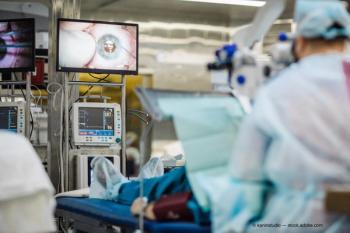
Benefits of intracameral phenylephrine/ketorolac continue to add up.

Monofocal toric lens delivers effective astigmatic correction and more, study results show
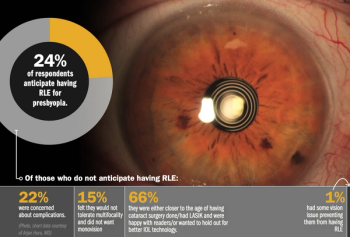
RLE, in unexpected twist, is gaining support among surgeons
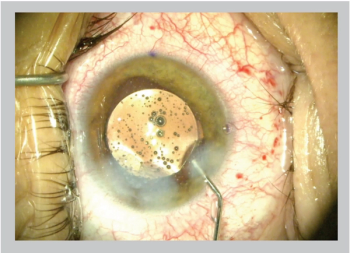
Options can reduce the treatment burden for patients, leading to improved outcomes

Pandemic highlights need for longer-lasting agents to reduce treatment burden in evolving field.

A New York City physician describes how he coped with the disease in the early days of its US appearance as well as the silver lining in his diagnosis: a reinforcement of the doctor-patient relationship.

S.K. Steven Houston III, MD, shares how his practice has put to use recent retina innovations and adapted to accommodate the ever-changing operating room spacing and set-up in the current COVID-19 environment.
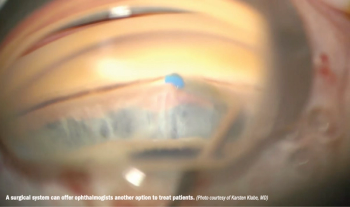
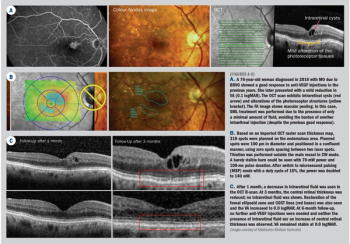
Investigators note the need for less medication over 12-month period

Checking own work postoperatively offers value to ophthalmologists

Megan Berkenstock, MD, assistant professor of ophthalmology at the Wilmer Eye Institute (Johns Hopkins University) speaks on the change in patient diagnoses and visit numbers by subspecialties in the weeks before and after the discovery of COVID-19 as well as the protocol needed to allow for the program's ambulatory surgery centers.

Sharing postoperative care can lead to better work-life balance

Michael X. Repka, MD, vice chair of clinical practice at Wilmer Eye Institute (Johns Hopkins University) speaks on the institution's latest protocol changes allowing for the resumption of elective surgery as well as the adaptations clinicians have had to make in order to ensure the continuation of clinical practice at Wilmer Eye Institute.
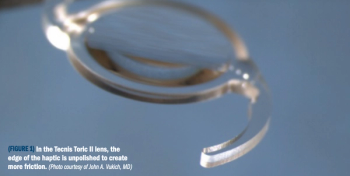
Lens offering surgeons a reassuring amount of resistance to movement in the eye
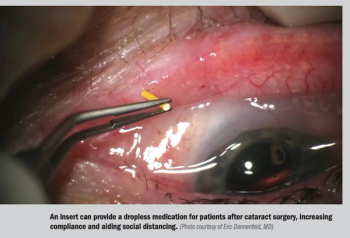
Following cataract surgery, the dropless option is proving to be a preferred method during recovery

Trabeculectomy may offer better results with more severe glaucoma

Canadian ophthalmologists receive updates on best practices amid coronavirus outbreak

ICYMI: Nir Israeli, co-founder and CEO of Sanoculis discusses the company's new alternative surgical procedure for glaucoma designed to create a single-patient-use sterile tool and a multi-use external machine.
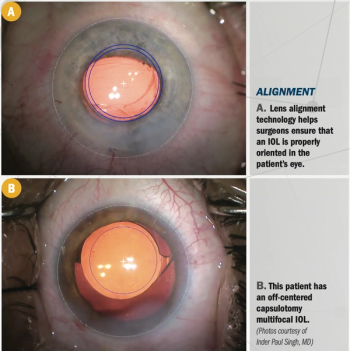
Alternative method ensures lens is set properly during cataract surgery
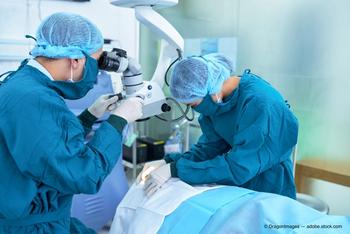
Maximizing refractive surgery is key to ensuring prosperous future