


Surgery
Latest News
Advertisement
Video Series

Shorts
0:33
Fast ocular surface stabilization with dry eye lubricating drop: Piotr Wozniak, MD
a month ago
by
Piotr A. Woźniak, MD, PhD(+2 more)
0:36
Redefining surgical success as "20/happy"
2 months ago
by
C. Ellis Wisely, MD, MBA
0:41
Counseling low myopes before cataract surgery: C. Ellis Wisely, MD, MBA
2 months ago
by
C. Ellis Wisely, MD, MBA(+1 more)
CME Content








Advertisement

The annual Best Hospitals report from US News & World Report compares more than 4500 hospitals across 14 specialties and 22 procedures and conditions.

The phase 2 Early Vitrectomy and Intravitreal Antibiotics for Post-Operative Exogenous Endophthalmitis study showed that performing early vitrectomy for acute endophthalmitis can offer better and faster visual outcomes than the current treatment of prescribing antibiotics first.

The long-term outcomes after primary scleral buckling procedures for rhegmatogenous retinal detachments showed high anatomic success, improved vision, and a good safety profile.

A retrospective study finds that direct selective laser trabeculoplasty significantly lowers intraocular pressure, with the greatest benefit seen in treatment-naive eyes.
Douglas D. Koch, MD, and Karolinne Maia Rocha, MD, PhD, discuss the optics behind enhanced monofocal lenses, patient selection, and how to set expectations.

Host Deborah Ristvedt, DO, welcomes Vance Thompson, MD, to discuss how prioritizing people has shaped the culture and growth of Vance Thompson Vision.

A case report describes image-guided surgical excision combined with adjunctive cryotherapy and a single anterior chamber methotrexate injection, with no recurrence at 10 months.

Finding satisfaction in ocular research—considerations about AI and enhanced datasets.

Liliana Werner, MD, PhD, joins Douglas D. Koch, MD, for a discussion on the properties, limitations, and future of IOL materials
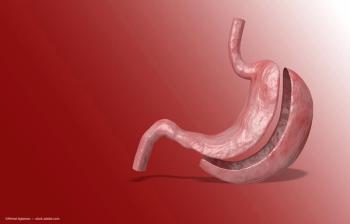
New Turkish study links sleeve gastrectomy weight loss to clearer cornea and lens, lower eye pressure, and widened anterior chamber in 6 months.

Key regulatory filings, phase 3 readouts, and trial enrollments to watch through June 30.

See which ophthalmology surgery centers earn US News’ 2026 high-performing badge, where they cluster, and why complication rates drop 40%.

P. Dee G. Stephenson, MD, FACS, shares insights on evolving LAL technology and best practices for managing the ocular surface before and after surgery.

China approves ZEISS ARTEVO 750 and 850 ophthalmic microscopes, expanding 3D digital visualization and iOCT-ready workflows for cataract and retinal surgery.
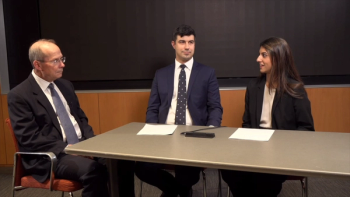
NYU Grossman’s Preeya Mehta, MD, and Jonathan S. Williams, MD, sit down with Mount Sinai’s Louis R. Pasquale, MD, to discuss long-term safety and efficacy data from a PreserFlo microshunt trial and the role of microshunts in glaucoma surgery.

Analysis of 20 years of data highlights differences in reimbursement trends across ophthalmology subspecialties and practice settings, according to Dustin D. French, PhD.

As Glaucoma Awareness Month highlights evolving practice, specialists describe how artificial intelligence, sustained drug delivery, laser therapy, and workflow integration are reshaping earlier, more individualized glaucoma care.

Joel S. Schuman, MD, FACS, highlights home tonometry, virtual visual fields, and portable OCT devices as promising tools, while noting concerns around data reliability, patient adherence, and reimbursement.

Concentric lens positioning of an adjustable lens helps avoid a late myopic shift.

The year introduced shifts in residency education, and program directors reflect on changes, challenges, and what’s next.

Looking back on 2025, Neda Shamie shares how a challenging monocular patient reinforced the importance of patience, presence, and psychological support in ophthalmic care.
From artificial intelligence to home monitoring, Joel Schuman, MD, of Wills Eye Hospital, explores the innovations that could change how clinicians detect and treat glaucoma in the new year.
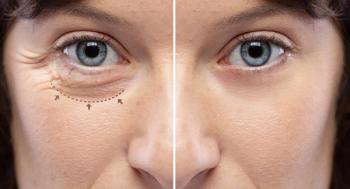
Insights for diagnosing and managing these visible changes across specialties.
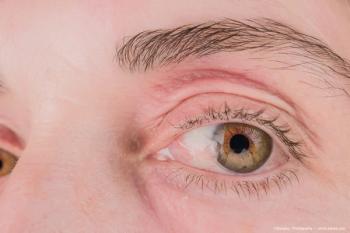
Tips for optimizing surgical techniques to reduce recurrence and enhance outcomes.

Formosa Pharmaceuticals partners with Rxilient Medical to commercialize APP13007, a new ophthalmic treatment for post-surgery inflammation and pain relief.
Advertisement
Advertisement
Trending on Eye Care Network - Ophthalmology Times
1
Laru-zova meets primary endpoint in pivotal VISTA trial for X-linked retinitis pigmentosa
2
EyeCon 2026: ODs and MDs pull up a chair
3
Addressing geographic variation in dry eye disease care requires patient-centric approaches
4
How screen time and eyelid health affect dry eye risk
5