











Procedure can improve best-corrected visual acuity, enhancing quality of life for patients.
Procedure can improve best-corrected visual acuity, enhancing quality of life for patients.

Oluwatosin U. Smith, MD, Glaucoma Associates of Texas, offers an update on optimization and surgical modifications of newer glaucoma surgeries in preop and postop settings.
Case of anterior segment ischemia involves young adult with prior carotid artery injury.
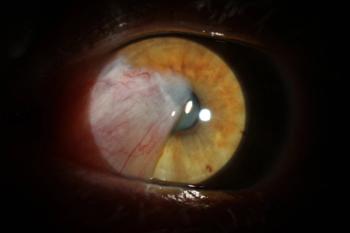
A recent study may indicate the need for future research to assess the relationship between pain and the anterior chamber depth.
Investigators examine the demographic, refractive, PRO data measure.
Observation over the long term is needed to determine treatment efficacy.

Ophthalmologist details his preferred technique to avoid complications during procedure.
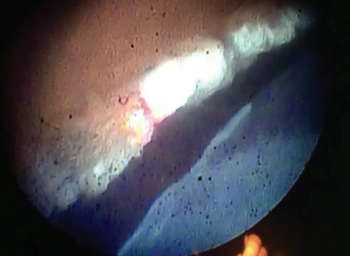
Short learning curve, significant clinical advantages make this a comfortable addition.
Surgeons learn that timing is everything when using technology.

Patients are serious about procedure and ready to move forward.
Investigators find treatment is an option for treating open-angle glaucoma.
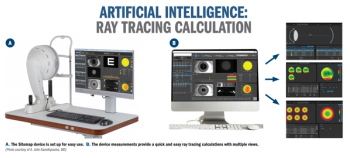
Novel technique provides another option for normal and irregular corneas.
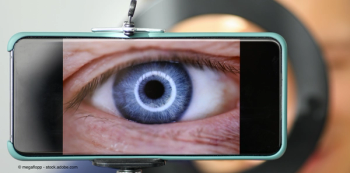
George Waring IV, MD serves as guest host for ‘History and Evolution of Contemporary Refractive Surgery’

An alternative to drops, the option provides consistent therapeutic levels.

The method by which sedation is applied to keep patients relaxed and comfortable throughout cataract surgery can be tailored similar to that of anesthesia — surgical anesthesia is not a one size fits all endeavor.
Refractive surgery for treating myopia is linked to low rates of regression, enhancement.

Minimizing clinic visits, maximizing use of imaging modalities are key.
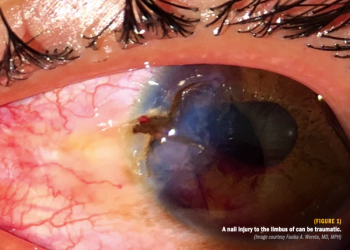
Pearls for ophthalmologists guides for handling damage during open globe repair.
Physicians should consider basing decisions on findings from comprehensive consultation and examination.
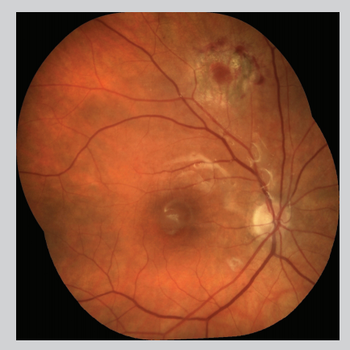

Ophthalmologists can opt to use vital stains for cultures and corneal scrapings.
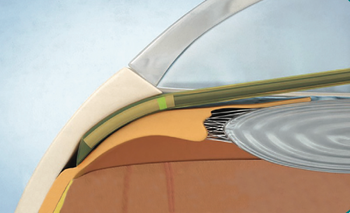
A supraciliary minimally invasive glaucoma procedure may offer a valuable bleb-free treatment option for patients with glaucoma that requires low target pressures.
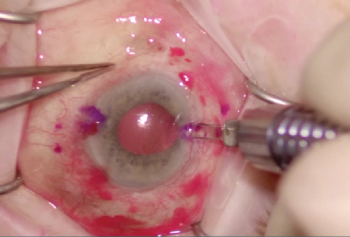
Practice and preparation are key for mastering the procedure.

Physician presents pearls for effective use, leading to positive outcomes for patients.