
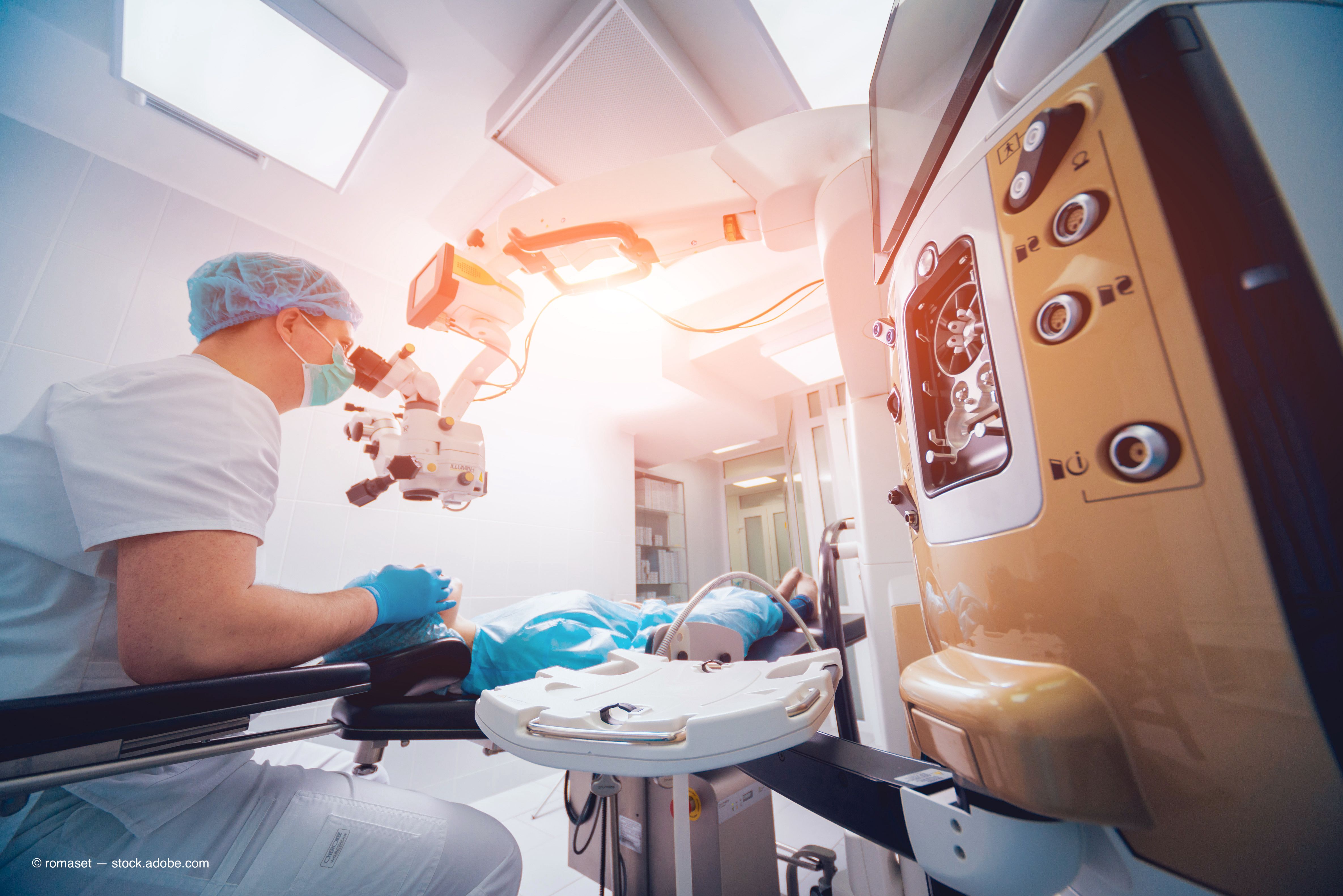












Once-daily corticosteroid treats pain, inflammation after surgery.
Once-daily corticosteroid treats pain, inflammation after surgery.
Oluwatosin U. Smith, MD, Glaucoma Associates of Texas, provides an update on optimization and surgical modifications of newer glaucoma surgeries.
Noninvasive option reduces IOP in patients with glaucoma.

For ophthalmologists, practice makes perfect in becoming ambidextrous.
The traditional treatment for primary angle-closure (PAC) and PAC glaucoma (PACG) is laser peripheral iridotomy (LPI) to facilitate aqueous outflow followed by medical treatment with drops to decrease the intraocular pressure (IOP).

During the 2021 Glaucoma 360 meeting, Ruth D. Williams, MD, speaks on the highlights and key findings from the EAGLE study, which showed clear lens extraction surgery may be a better initial treatment for some glaucoma patients.
Physician pioneers technique offering higher perspective in surgery, outcomes.
Study evaluates the impact of surgical procedure on visual outcomes in patients.
New options open possibilities for treatment, resulting in better outcomes for patients.
Minimally invasive conjunctival surgery option is an efficient procedure.

Nine pediatric patients with Leber congenital amaurosis show visual improvement in clinical trials.

Change can prove to benefit individuals with diabetes, other comorbidities.
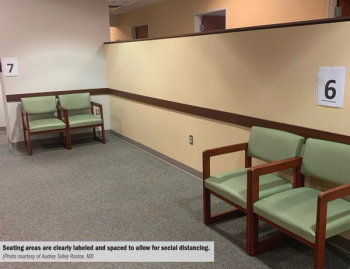
Safety protocols, creative solutions help physicians restore patient traffic to normal during the pandemic.
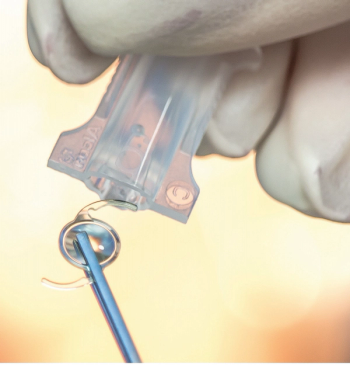
Procedure increases lens stability and improves visual acuity in patients.

Improvements gained prior to surgery can result in positive outcomes.
Richard Lehrer, MD, speaks on the highlights of a study analyzing the success of SLT after trabecular bypass stenting / phacoemulsification, presented during AAO 2020.

Newest advances improving ophthalmologists’ performance in operating room.
John A. Hovanesian, MD, discusses the highlights of his presentation on a clinical study evaluating dexamethasone vs prednisolone acetate 1% in controlling postop pain/inflammation in sequential cataract surgery patients.
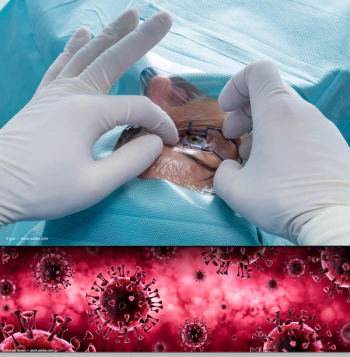
Pandemic is driving — and accelerating — changes in how ophthalmic care is delivered to patients.
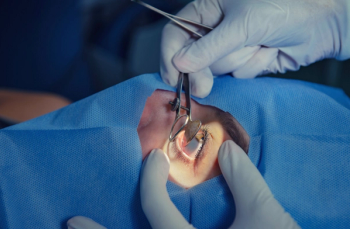
Physicians often use lenses due to abnormal corneal topography or high myopia
Goniotomy-viscodilation cataract surgery controls IOP without medications.

Robert Weinstock, MD, presents data from a retrospective multicenter study focusing on the efficacy of dexamethasone intraocular suspension 9% delivered at the time of cataract surgery.
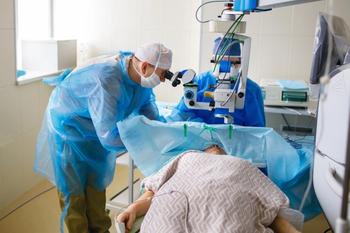
Speaking during the American Academy of Ophthalmology’s virtual 2020 annual meeting, Neal H. Shorstein, MD, explained how physicians at Kaiser Permanente have been using a prophylactic drop-free drug regimen before cataract surgery for more than a decade. Their regimen is so streamlined that the only drop that patients receive in anticipation of cataract surgery is a supplemental dilation drop instilled preoperatively while they are still in the holding area.
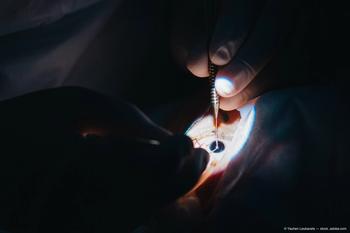
Tamer Mahmoud, MD, PhD, discusses autologous retinal transplant (ART) for macular holes, a procedure he developed, which is providing anatomic hole closure in the vast majority of cases as well as increases in visual acuity.
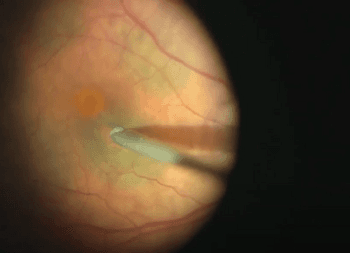
During Day 1 of AAO 2020, Carl Awh, MD, discusses the Micro-Vacuum Pick, a device for peeling internal limiting membranes that's providing vitreoretinal surgeons an alternative to forceps during surgeries.