
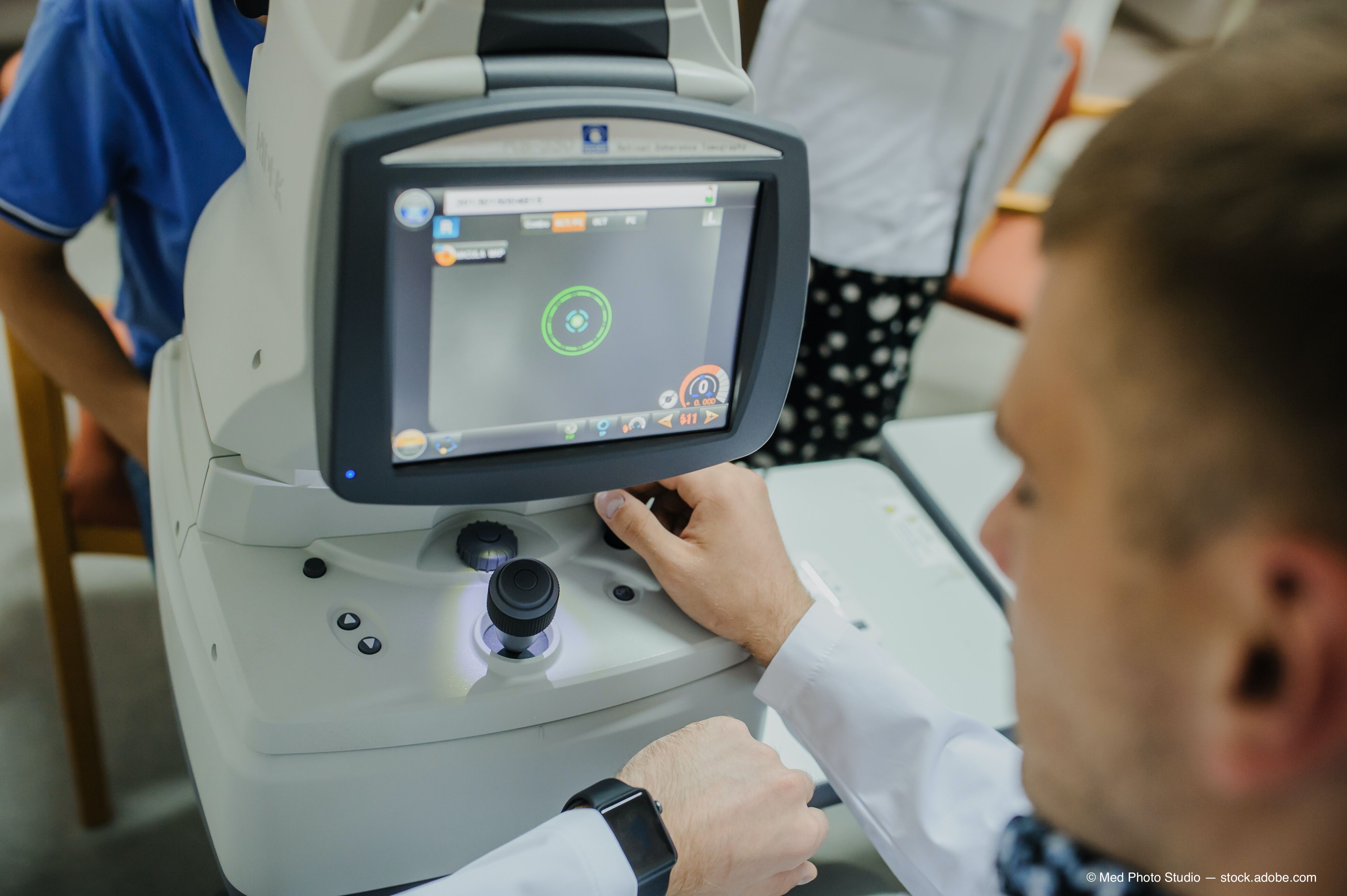
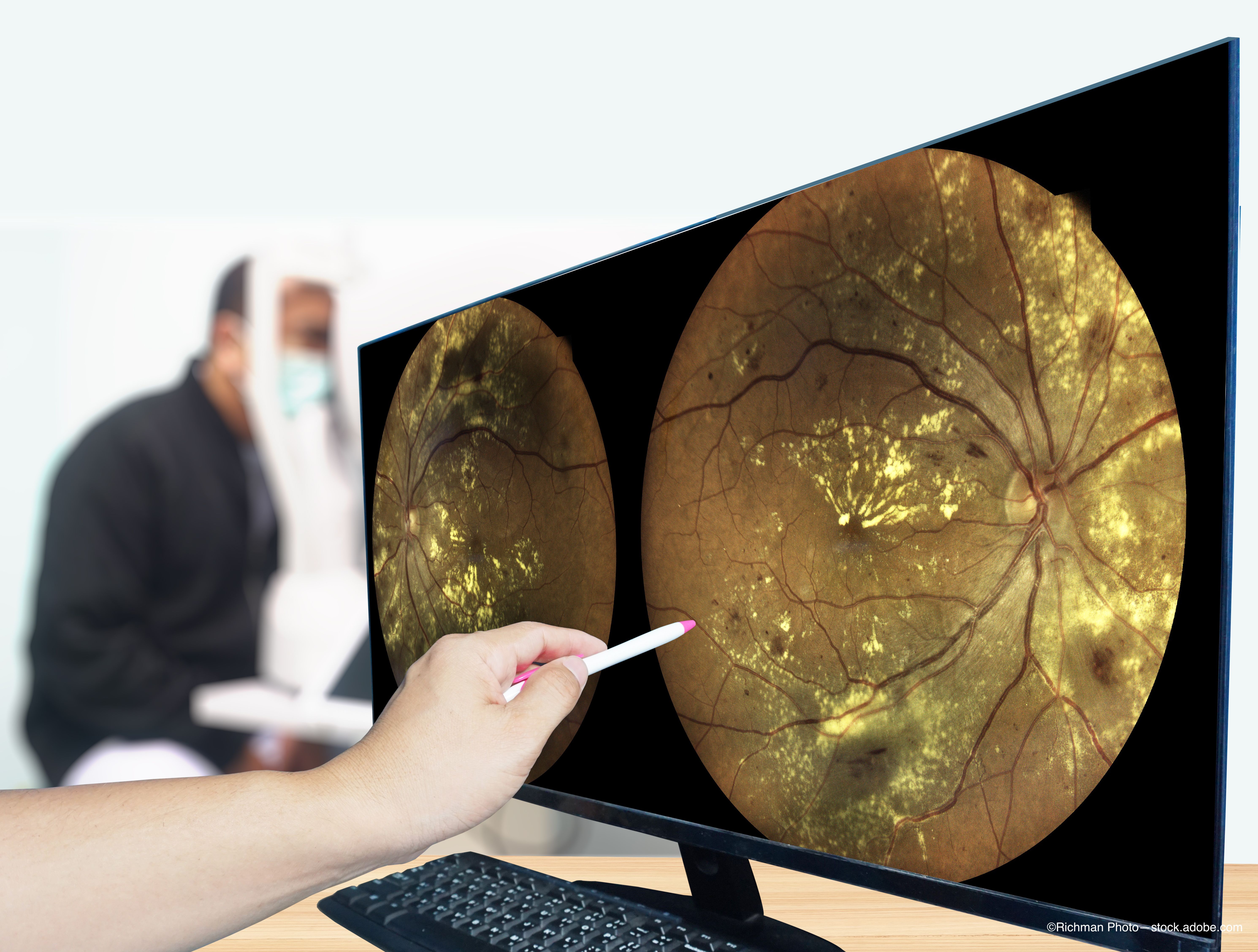









Investigators hoping to develop a novel artificial intelligence model.
Investigators hoping to develop a novel artificial intelligence model.
Mohamed Abou Shousha, MD, PhD, discusses Heru’s wearable AI-powered diagnostic devices at AAO 2021.
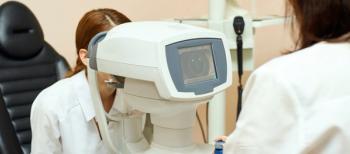
Proposal hints at the use of generative adversarial network (GAN) for applications in macular surgery
John B. Miller, MD, discusses widefield swept-source OCTA and its use in monitoring biomarkers in diabetic retinopathy.

Diagnostics, imaging, and therapeutics pave the way for better outcomes.
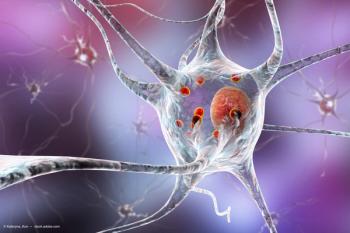
Retinal and choroidal changes were observed in study.
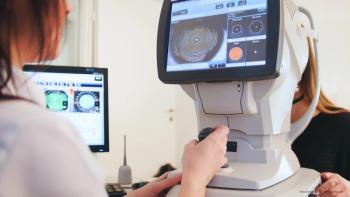
Options facilitate increased durability for patients with retinal degeneration.
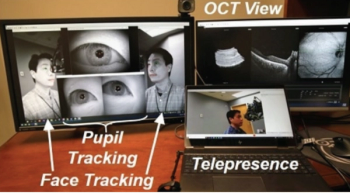
Pilot study tests the technology to obtain remote fundus imaging of patients.
Patients can get real-time disease monitoring with self-operated device.

Justis P. Ehlers, MD, discusses the findings from a higher-order OCT analysis for inflammatory signal biomarkers in the HAWK Study.

Proposal hints at the use of generative adversarial network (GAN) for applications in macular surgery.

The EIDON Ultra-Widefield Lens module from iCare USA has received 510(k) approval from the FDA for distribution in the US.
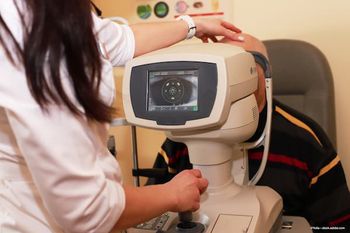
Investigators hope to develop a novel artificial intelligence model.
Adolf Fercher's 2D image of fundus paved way for today’s imaging technique.

Investigators examine usefulness in refractive surgery evaluations.

In the 30 years since optical coherence tomography was first described, it has become one of the most widely used technologies for imaging the human eye.

Anat Loewenstein, MD, MHA, discusses how artificial intelligence can optimize optical coherence tomography.

Investigators find imaging method may be useful to monitor disease progression.
Scanning laser ophthalmoscopy offers improved view of posterior segment.
Novel treatments may be on the horizon for the advanced form of age-related macular degeneration.
Option detects treatment-naive nonexudative macular neovascularization in eyes with dry age-related macular degeneration.
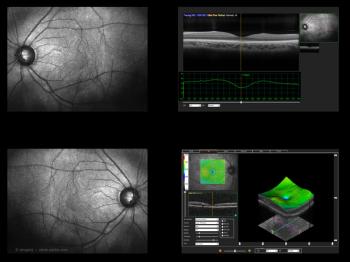
Philip Rosenfeld, MD, PhD, presents results from a natural history study of patients that results in recognition of hypertransmission defects on en face OCT.
Tool for quantifying measures may predict outcomes for patients.

Mark Breazzano, MD, discusses the future of telehealth for retina specialists.
Option detects treatment-naive nonexudative macular neovascularization in eyes with dry age-related macular degeneration