














NovaSight’s CureSight is a digital device that proved in a pivotal study to be non-inferior to patching, according to the company.

NovaSight’s CureSight is a digital device that proved in a pivotal study to be non-inferior to patching, according to the company.

The FDA describes the test as a web-based, self-guided software application that consumers can access using a touchscreen mobile device and internet-connected computer.

Academic leaders will review their experience with the technology during a symposium at the American Academy of Ophthalmology annual meeting, being held at McCormick Place in Chicago.

Heru debuts dark adaptation, the newest modality added to its wearable health and wellness platform’s vision screening line-up.

According to the company, the fully connected environment, digital technologies and artificial intelligence tools enable optimization of patient care.

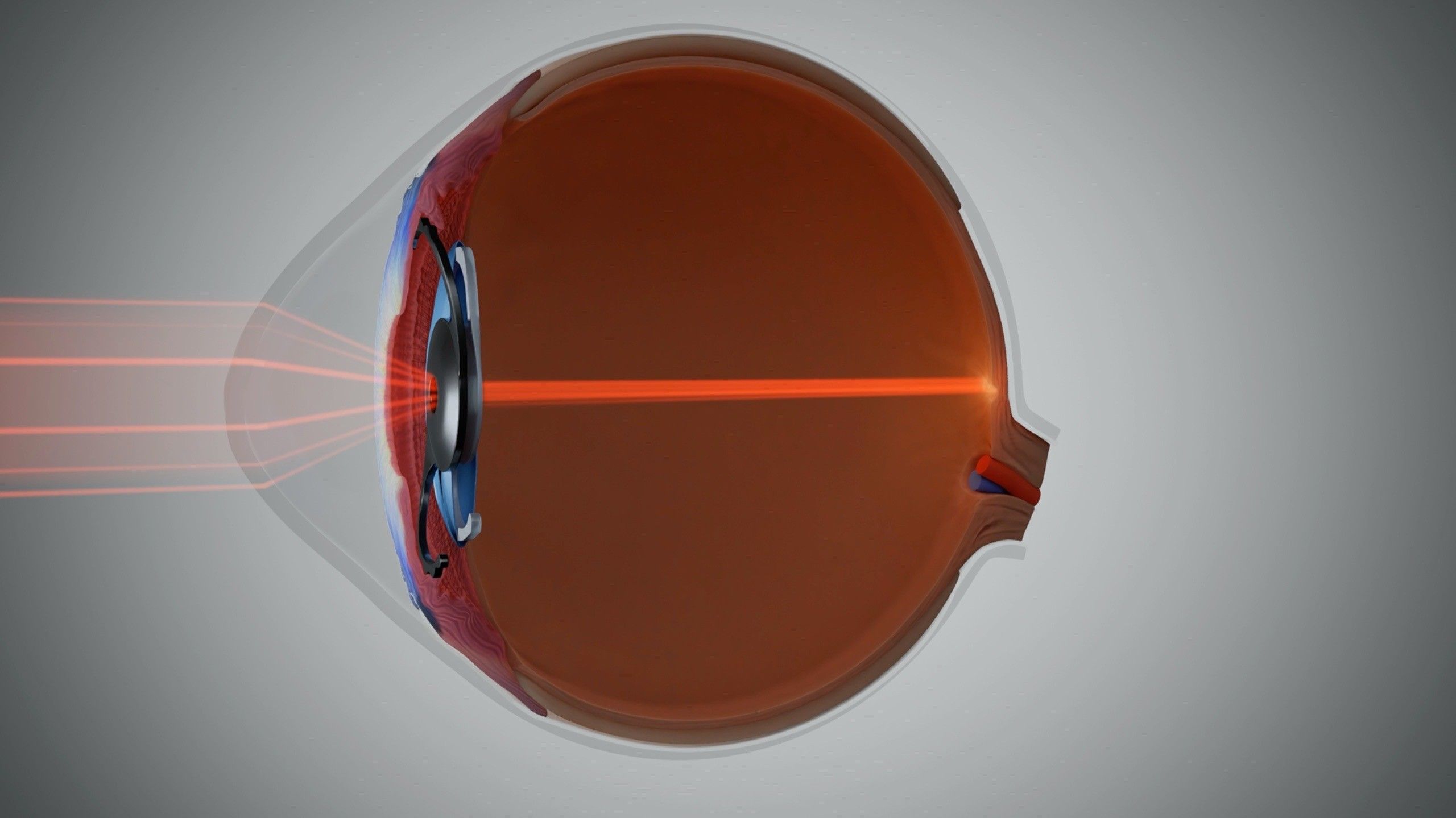
The IOL has a hybrid design that combines the benefits of central extended depth-of-focus technology and multifocal technology that provides a continuous range of high-quality vision ranging from distance and intermediate and near vision to about 12 to 14 inches.

Sight Sciences Inc. is taking the wraps off Sion, a manually operated device used in ophthalmic surgical procedures to excise trabecular meshwork.
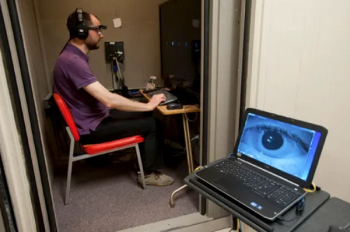
Investigators discuss the evolution of innovative technology for the hearing impaired and how vision can play a role.
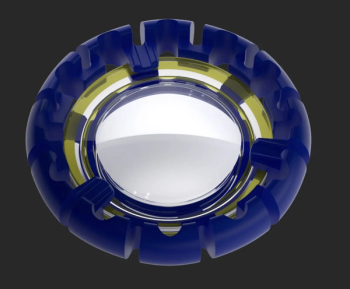
The Grail study finds the device can offer positive outcomes for patients.
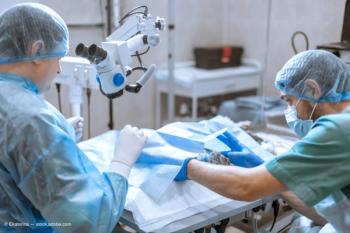
Results from the U.S. pivotal trial showed Apthera IOL subjects achieved statistically superior uncorrected intermediate and near vision, and equivalent distance vision and contrast sensitivity compared to control subjects.

The threshold limit value is increased for virus and bacterial eradication.

The first in a series of upgrades to Stellaris Elite incudes maximum vacuum increase and trocar/cannula system removeable valve cap enhancement.

According to investigators, patients with age-related macular degeneration like the port delivery system for ranibizumab because it requires fewer treatments and there is less discomfort.

As ophthalmologists observe Cataract Awareness Month this June, William L. Soscia, MD, medical director at Center for Sight, in Sarasota, Florida, focuses on the importance of having excellent vision for safety and everyday functions.
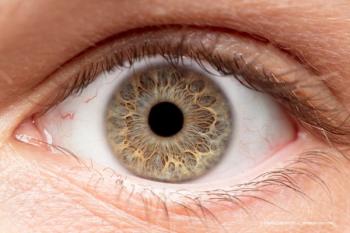
New lens types offer independence from glasses to the patient post surgery.
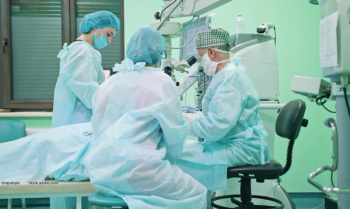
Having a comprehensive team of ophthalmic specialists in place means patients could have multiple issues treated in a single procedure that might require two surgeries otherwise.
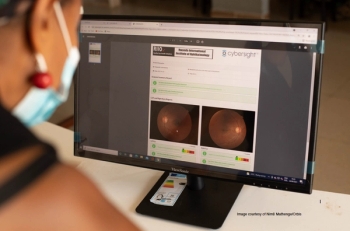
The research from eye care nonprofit Orbis International focuses on diabetic retinopathy in Rwanda, where associated vision complications from diabetes are growing.

The systems could be in the hands of surgeons in the third quarter through a targeted initial launch, according to the company.
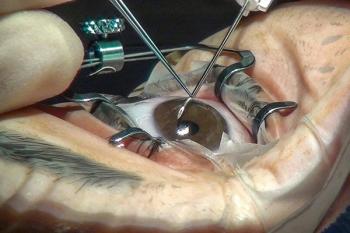
According to the company, no safety concerns with corneal endothelial health reported across all 3 trials, and the device delivered consistent results up to two-year follow-up in patients across Central and South America, Asia and Europe.
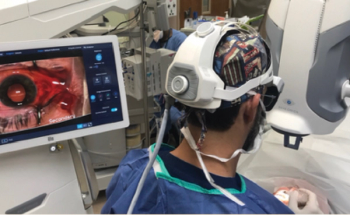
Physicians can use navigational tools to attain a much more immersive perspective.

The study assess retinal blood biomarkers using a new prototype OCT, aiming to measure retinal biomarkers such as blood flow volume, average velocity, and vessel diameter with a new prototype.
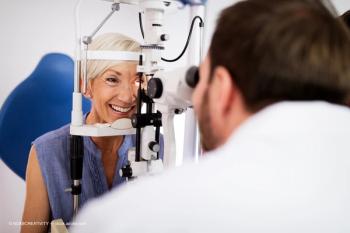
Automated 360-degree goniophotography seems to have simplified screening and diagnosis of glaucoma.

Carlos Quezada Ruiz, MD, senior medical director at Genentech, discusses “Predicting optimal treatment regimen for patients with neovascular age-related macular degeneration using machine learning.”
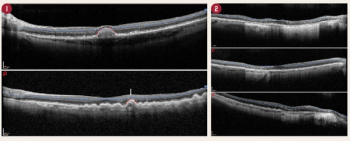
Alterations of the outer retinal layers from age-related macular degeneration (AMD) can interfere with the automated segmentation of the individual retinal layer thicknesses when using macular optical coherence tomography (OCT).