


















Virtual reality, home visual field testing offer new options for physicians.
Virtual reality, home visual field testing offer new options for physicians.
Intermediate/near vision improvements are achieved without compromising distance vision.

Worldwide increase in technologies for ophthalmic use is dramatic.

Mohamed Abou Shousha, MD, PhD, and Richard Parrish II, MD, discuss their ARVO 2021 presentation regarding a study analyzing visual field measurements using the Heru Visual Field Multi-platform application downloaded on two different commercially available augmented reality devices.
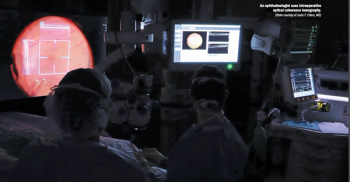
Advances in integrative technology enable a transition to the operating room.
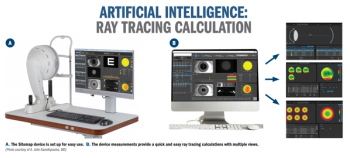
Novel technique provides another option for normal and irregular corneas.

Find out how one eye care practice has found success in adapting their services to ensure staff/patient safety throughout the pandemic.
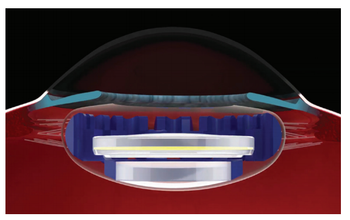
Lens offers full range of vision from distance through near vision.
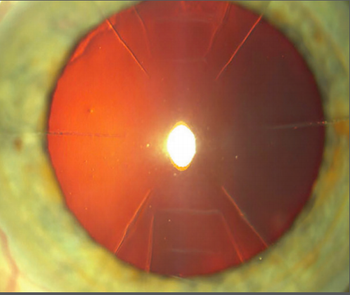
New option may prove to be a solution for cataract cases with unusual corneas.
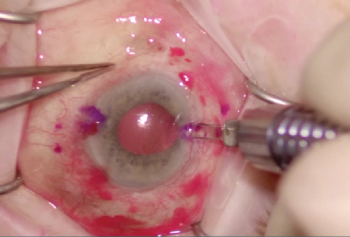
Practice and preparation are key for mastering the procedure.
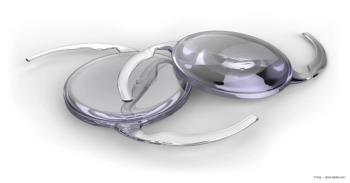
One surgeon shares the early results of his experience using the new TECNIS Eyhance and TECNIS Eyhance Toric II IOLs in performing the first post-FDA-approved cases in the U.S.
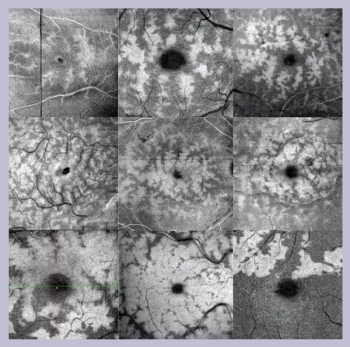
Technology helps physicians understand normal and abnormal macular anatomy.
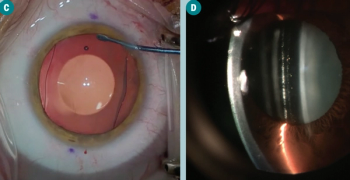
Phakic option provides hope to patients who are not candidates for laser vision correction.
Physician presents pearls for effective use, leading to positive outcomes for patients.
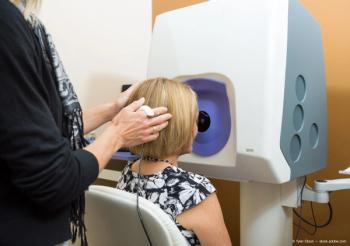
Physicians should evaluate which options best meet the needs of their practices.
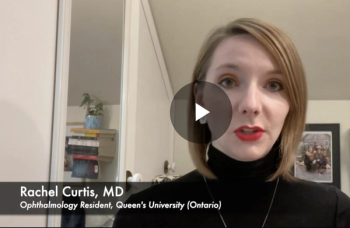
Rachel Curtis, MD, a fourth-year resident at Queen's University, Kingston, Ontario, Canada, discusses the highlights from a study comparing a smartphone-compatible device versus traditional direct ophthalmoscopy in teaching medical students how to complete an optic nerve examination.
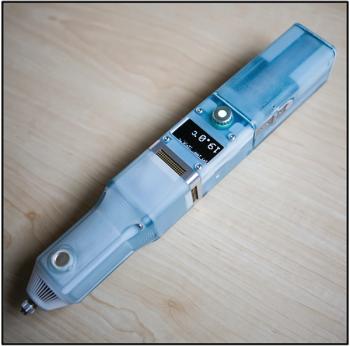
Precision injection device can improve patient and physician experiences.
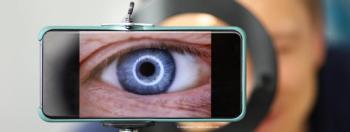
Investigators find technology aids instruction of students.

Tom Mitro, president, COO of Aerie Pharmaceuticals, discusses the key highlights from an industry panel discussion titled "Innovate without borders," held during the Glaucoma 360 New Horizons Forum, including the company's role in expanding into the global glaucoma therapeutics market.

Intraocular drainage surgery may have a future for treating issues.
Consider ideas about outflow pathways, neuroprotection.
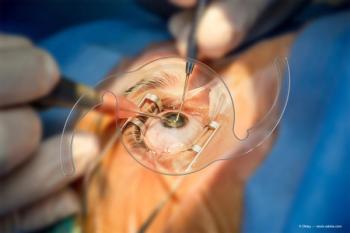
Phakic lenses are proving to be excellent additions to refractive practices.
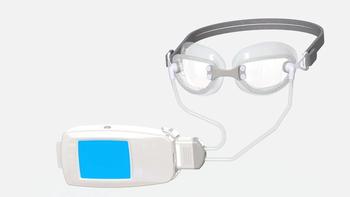
A new therapy provides noninvasive nighttime IOP control by programming the desired pressure into the device, explained John Berdahl, MD, during the New Horizons Forum.

Glaukos Corporation's COO Chris Calcaterra gives an update on the company's latest 24-month phase 2b data for its iDose TR sustained-release travoprost implant, next steps for securing FDA approval, and his outlook for 2021.
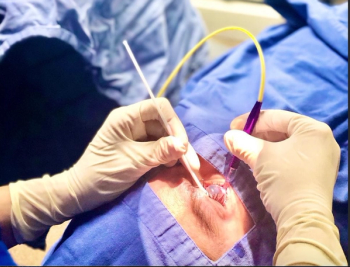
Noninvasive option reduces IOP in patients with glaucoma.