



Clinical Diagnosis
Latest News

Advertisement
Video Series



CME Content










Advertisement
Investigators put forth a list of considerations for surgeons ahead of lens removal in pediatric patients

According to a study, the research reveals that boosting a specific protein, IRAK-M, in retinal cells could offer a new and highly effective therapy for AMD

Authors pointed out that understanding this link may aid with genetic counseling or surveillance of affected individuals, potentially contributing to improved management and outcomes.

MELT-300 is a non IV, non-opioid tablet that combines fixed doses of midazolam (3mg) and ketamine (50mg).

Schocket has been serving as Interim chair since July, 2022, and during that time has worked to establish best practices for the department, strengthening its academic programs and improving its financial viability.

Understanding how the intricate networks of blood vessels in the eye and brain are formed ultimately could inspire new treatments for conditions like diabetic retinopathy and stroke.

Ocugen is developing OCU410 as a 1-time gene therapy for the treatment of geographic atrophy. It utilizes an AAV delivery platform for the retinal delivery of the ROR Related Orphan Receptor A gene.

Office transitions to a portable vision diagnostic and patient engagement system.

According to ophthalmologists at the Colorado University School of Medicine, discussing mental well-being is a key part of effective treatment and improving care for patients.
News
The campaign will encourage, educate and empower the public to include vision and eye health as a part of their healthcare by asking them to share how eye care services and exams improved their vision and their daily lives.

Researchers at Massachusetts Eye and Ear led a phase 1/2 trial, which included 14 participants, that found the experimental treatment was safe and efficacious.
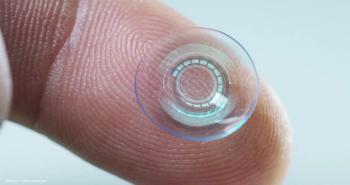
A team of Chinese researchers have been working on a way to continuously and more comfortably detect these tiny fluctuations in pressure, such as contact lenses that transmit signals to receptor glasses.

Physicians should consider the roles of verbal and ocular anesthesia.

Noha A. Sherif, MD, and Sandra Hoyek, MD, conducted a retrospective chart review to identify the clinical characteristics of the injured eyes that may be associated with visual recovery in this patient population.
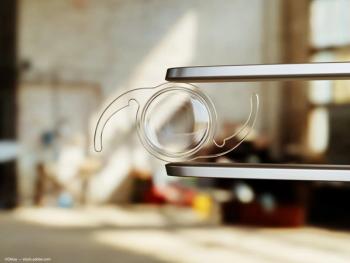
The angled bow-tie pattern of astigmatism was corrected more accurately compared with the asymmetric bow-tie pattern of astigmatism

A singular celebration of science over the decades

News
Despite recognition of lenticular glutathione’s importance in lens formation for decades, why it declines with age remains a mystery.

The trial is evaluating AURN001, a combination cell therapy product comprised of neltependocel (allogeneic human corneal endothelial cells [CECs]) and Y-27632 for the treatment of corneal edema secondary to corneal endothelial dysfunction.

Joseph Izatt was a skilled researcher and inventor who played a foundational role in the development of optical coherence tomography.

CRISPR manipulation presents opportunities and challenges.
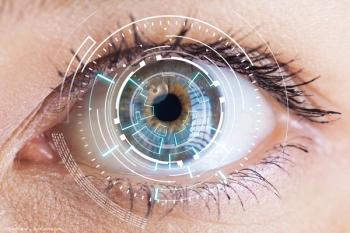
Alice Epitropoulos, MD, discusses the importance of considering ocular surface health in cataract surgery patients.
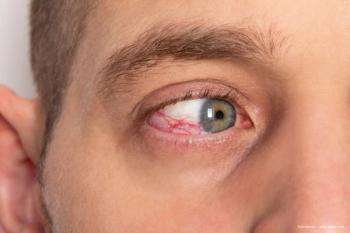
Ophthalmologist shares pearls from recent roundtable discussion on topic.

Physicians note the impact of prism lenses can be life-changing for patients.

Research can drive opportunities for patients with rare diseases
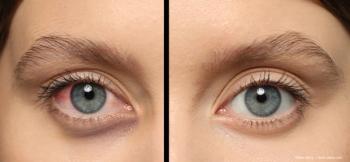
Slit lamp evaluation can provide valuable information for treatment course.
Advertisement
Advertisement
Trending on Eye Care Network - Ophthalmology Times
1
2026 Nobel Prize in Physiology or Medicine awarded for optogenetics discovery
2
Sunir Garg, MD, FACS, previews retina highlights at AAO 2026
3
EURETINA 2026: Eyestem interim Phase 2 results for clinical study of Eyecyte-RPE for GA secondary to dry AMD
4
EURETINA 2026: Duravyu misses LUGANO endpoint but cuts treatment burden by 42%
5