


Clinical Diagnosis
Latest News
Advertisement
Video Series



CME Content











Advertisement
The research analyzed the 1-year outcomes of 132 eyes, evaluating mean IOP, baseline changes, medication reduction, and stratifying the results by race (African American vs Caucasian) and glaucoma severity (mild, moderate, severe).
Emerging technologies, such as remote tonometry and genetic risk scoring, are revolutionizing glaucoma care by enabling earlier detection, personalized management, and more efficient use of resources.
The procedure offers a renewed approach to suprachoroidal drainage, with potential for both combined and standalone glaucoma surgery.

Incoming directors bring diverse expertise to help the ASO protect ophthalmic care and advocate for patients.
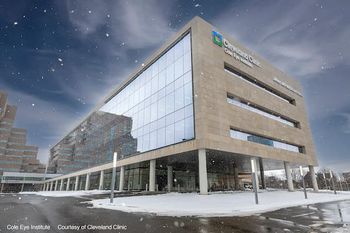
The state-of-the-art facility more than doubles the institute’s footprint, enhancing patient care, research, and education.
The new first-line laser treatment for glaucoma and ocular hypertension will be unveiled at the 2025 American Glaucoma Society annual meeting in Washington, DC, from February 26 to March 2.

Advancements in drug durability and patient care are closing treatment gaps.

Routine evaluation of meibomian glands, starting in childhood, is crucial for identifying and managing this progressive disease before it leads to long-term ocular surface issues.

Nathan Congdon, MD, highlights a recent study showing how virtual mentor-mentee relationships through Orbis' free telemedicine and e-learning platform can significantly enhance care.

From cytokine pathways to genomics, Shree Kurup, MD, highlights new approaches for managing diabetic retinopathy and combating systemic inflammation.
Patients’ near visual needs is important when prescribing medications for glaucoma treatment

Real-world scenarios showcase a shift in treatment paradigms

From easing fears to improving mood, a recent study explores how music transforms the surgical experience for both patients and health care teams.

Through its ophthalmic program, Mercy Ships provides critical eye surgeries and trains local professionals, ensuring sustainable eye care for the future.

As Ophthalmology Times celebrates 50 years of publication and the Wilmer Eye Institute marks 100 years of academic leadership, Peter J. McDonnell, MD, reflects on their shared commitment to helping ophthalmologists improve patient outcomes.

Alice T. Epitropoulos, MD, FACS, outlines her approach to managing evaporative dry eye. This includes diagnosing meibomian gland dysfunction, using thermal pulsation to clear gland blockages, and ensuring long-term results with advanced treatments and patient education.

Funds from the Inasmuch Foundation and The Samuel Roberts Noble Foundation will support the purchase of equipment, including computerized eye simulators, a laser injector, and a device for measuring the electrical resistance of cells.

Lana Rifkin, MD, a uveitis specialist at Ophthalmic Consultants of Boston, shared insights into her work and her role as committee chair of the uveitis section for the upcoming EnVision Summit, which will be held from February 14 to 17, 2025, at the Caribe Hilton San Juan in Puerto Rico.
In this study, researchers examine immune mechanisms in ocular diseases like uveitis, AMD, DR, and GO, highlighting microglial roles, targeted therapies, and promising advances in immunotherapy.
According to Robert Latkany, MD, understanding the causes and recognizing these diagnostic features are essential for effective treatment.

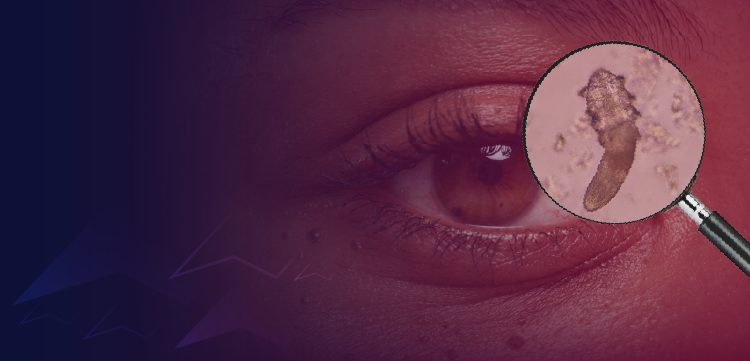
A team of researchers in China detail a case of Thelazia callipaeda infection in the right eye of a 41-year-old woman working in an office. The patient presented with persistent foreign body sensation, pruritus, and redness despite initial treatment with polyethylene glycol and levofloxacin eye drops.

USC is leading a research team aiming to better understand retinitis pigmentosa and inform future treatments.
The 14th annual Glaucoma 360 conference, co-founded by Adrienne Graves, PhD, and Andrew Iwach, MD, and hosted by Glaucoma Research Foundation, will be held from February 6-8, 2025, at the Westin St. Francis in San Francisco, California. The event will focus on the latest advancements in glaucoma care and encourage innovation and collaboration.

With cases of syphilitic uveitis on the rise, recognizing its varied presentations—including optic disc edema, which may appear without other significant eye inflammation—is increasingly important for timely diagnosis and treatment.

According to researchers, GPT-4o demonstrates potential in generating comprehensive differential glaucoma diagnoses but falls short in primary diagnostic accuracy, underscoring its role as a complementary tool rather than a standalone diagnostic solution.
Advertisement
Advertisement
Trending on Eye Care Network - Ophthalmology Times
1
One day, three approvals: FDA expands options for ocular redness, thyroid eye disease, and presbyopia
2
Duravyu misses wet AMD end point again as EyePoint pivots to DME
3
A vascular link: erectile dysfunction may signal glaucoma risk in men
4
The Retina TL;DR with Dr. Weng: Thriving in fellowship with Amer Alsoudi, MD, and Monia Reding, MD
5