














Women 34% less likely to receive retinal detachment repair.

Women 34% less likely to receive retinal detachment repair.
Tool can help physicians detect, monitor ophthalmic disease in their patients.

Visits, elective procedures decreased as physicians responded to COVID-19 guidelines.

Treatment of patients with COVID-19 should include ophthalmic considerations.
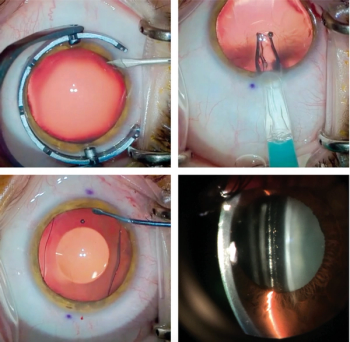
Studies look at absorption of drugs resulting in systemic complications.
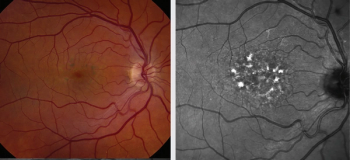
Key is to recognize usual patterns for systemic and topical medications.

Precision injection device can improve patient and physician experiences.
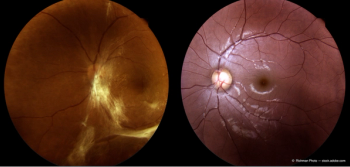
Analysis finds drug is broadly effective for reducing diabetic retinopathy severity.

Investigators find no clinically relevant differences in safety profiles.

Aleksandra Rachitskaya, MD, speaks on the current gaps in AMD treatment as well as ongoing retinal advancements to help address unmeet needs of patients.

An ophthalmologist’s thoughts while folding clothes.
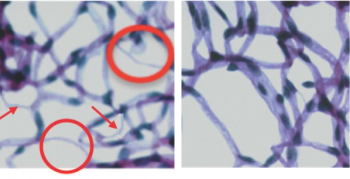
Study examining the role of IL-17A in patients with diabetes.

J. Michael Jumper, MD, a retinal specialist at West Coast Retina (San Francisco, CA), discusses the highlights of his Glaucoma 360 presentation analyzing the impact and lasting effects of intraocular injections and retinal diseases in creating glaucoma as well as the evolving collaboration between retinal and glaucoma specialists.
Investigators focus on biophysical method to study protein-protein interactions .

While current treatments are good, the best is yet to come.
Anat Loewenstein, MD, provides an update on the latest developments in emerging therapies for the management of age-related macular degeneration (AMD) and wet AMD.
Joshua Mali, MD, discusses the three major risk factors for developing age-related macular degeneration (AMD).
Investigators examine long-term effects of therapeutics in infants.
Ian C. Han, MD, dives into the basics of age-related macular degeneration (AMD) and what patients need to know.

Daniel H. Chang, MD, shares data on a recent study involving a new violet light-filtering chromophore in a preclinical computer simulation testing and randomized clinical study.

Fellows, residents from around the world show promise for future of retinal research.
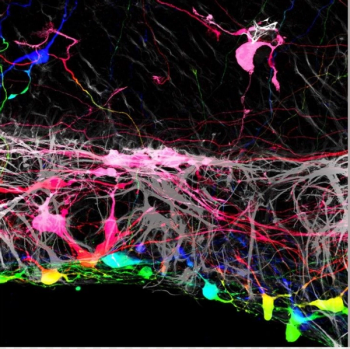
Investigators at the Wilmer Eye Institute at the Johns Hopkins University School of Medicine conducting experiments in mouse tissues and human cells found that they may be able improve the success rate for regrowing nerve cells damaged by blinding diseases.
Community involvement, research continue to boost treatment in pediatric population.

Emerging technology may facilitate individualized care, disease management.

The FDA has granted Fast Track designation to MeiraGTx's AAV-CNGA3 gene therapy product candidate for the treatment of achromatopsia (ACHM).