



















Retina
Latest News
Advertisement
CME Content
Advertisement

Worldwide increase in technologies for ophthalmic use is dramatic.

Michael A. Singer, MD, speaks on the highlights of his presentation focusing on IOP in the PALADIN 24-month data intravitreal steroid (ILUVIEN).

Studies on nurse-led services find a low level of complications among patients.

According to Applied Genetic Technologies Corp., groups 5 and 6 had a 50% response rate among patients who met the inclusion criteria for the Skyline and Vista trials.
Dr. Michael Mbagwu speaks on the highlights of his virtual 2021 ARVO presentation regarding the development of an algorithm tool that links patient imaging to their clinical data, specifically within the AAO IRIS Registry.

Theodore Leng, MD, discusses the highlights from his presentation on "AAO IRIS Registry Data Replicates VIEW 1 and VIEW 2 Clinical Trial Outcome Data," during the virtual 2021 ARVO meeting.

Michael Mbagwu, MD, speaks on the highlights of his virtual 2021 ARVO presentation regarding the development of an algorithm tool that links patient imaging to their clinical data, specifically within the AAO IRIS Registry.

Daniel F. Kiernan, MD, discusses key findings of a clinical study analyzing the effect of dexamethasone intracameral drug-delivery suspension on macular thickness based on OCT testing following vitreoretinal surgery.

Daniel F. Kiernan, MD, discusses key findings of a clinical study analyzing the effect of dexamethasone intracameral drug-delivery suspension on macular thickness based on OCT testing following vitreoretinal surgery.
Dr. Daniel F. Kiernan discusses key findings of a clinical study analyzing the effect of dexamethasone intracameral drug-delivery suspension on macular thickness based on OCT testing following vitreoretinal surgery.

Glenn J. Jaffe, MD, discusses the key points of his virtual presentation on targeting neurodegenerative diseases with risuteganib, minimizing damage to the retina when compromised, and the need for newer treatment therapies to target different pathways.

Steffen E. Künzel, MD, discusses the key points of his research presentation regarding low vulnerability of the posterior eye segment to SARS-CoV-2 infection.

During ARVO 2021, Sunil Srivastava, MD, points out that optical coherence tomography characteristics may be predictive of the efficacy of the injections.
Dr Uwe Oberheide discusses the key findings of his virtual ARVO 2021 presentation on modelling of IOLs for patients with AMD by ray tracing.

At ARVO’s 2021 virtual annual meeting, John Wells, MD, presents efficacy, durability, and safety findings from the phase 3 YOSEMITE and RHINE trials.

Uwe Oberheide, MD, discusses the key findings of his virtual ARVO 2021 presentation on modeling of IOLs for patients with AMD by ray-tracing.

Preexisting neutralizing antibodies associated with the inflammatory changes.
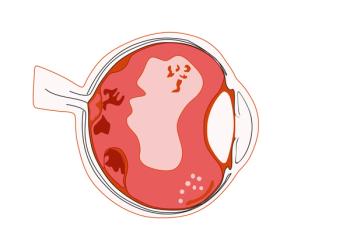
Study evaluates the impact of surgical procedure on visual outcomes in patients

Fluocinolone acetonide implant for DME benefits visual acuity.

Injections, implants continue to create further positive outcomes for patients.

In a real-world study of patients with treatment-naïve and previously treated diabetic macular oedema, injection of intravitreal dexamethasone 0.7-mg implant provided effective disease control with initial and repeat injections, regardless of reinjection interval.
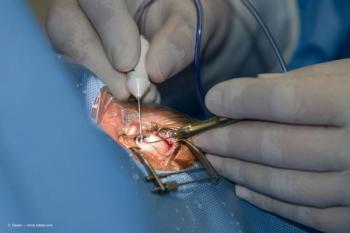
Eyes with chronic disease responded to steroid treatment.

Topical eye drop treatments for the posterior segment would offer easier, less invasive options than those currently available. This would reduce the burden on both patients and their caregivers, increasing adherence and improving outcomes.

Studying zebrafish helps unravel mysteries of photoreceptor regeneration .
Advertisement
Advertisement
Trending on Eye Care Network - Ophthalmology Times
1
AAO 2026: BRUNELLO 1-year results for remigromig in DME
2
AAO 2026: MCO-010 sustains vision gains in RP through 4 years
3
AAO 2026: DAYBREAK shows tarcocimab and tabirafusp-ted noninferior to aflibercept in wet AMD
4
AAO 2026: New trials target optic neuritis treatment questions
5