




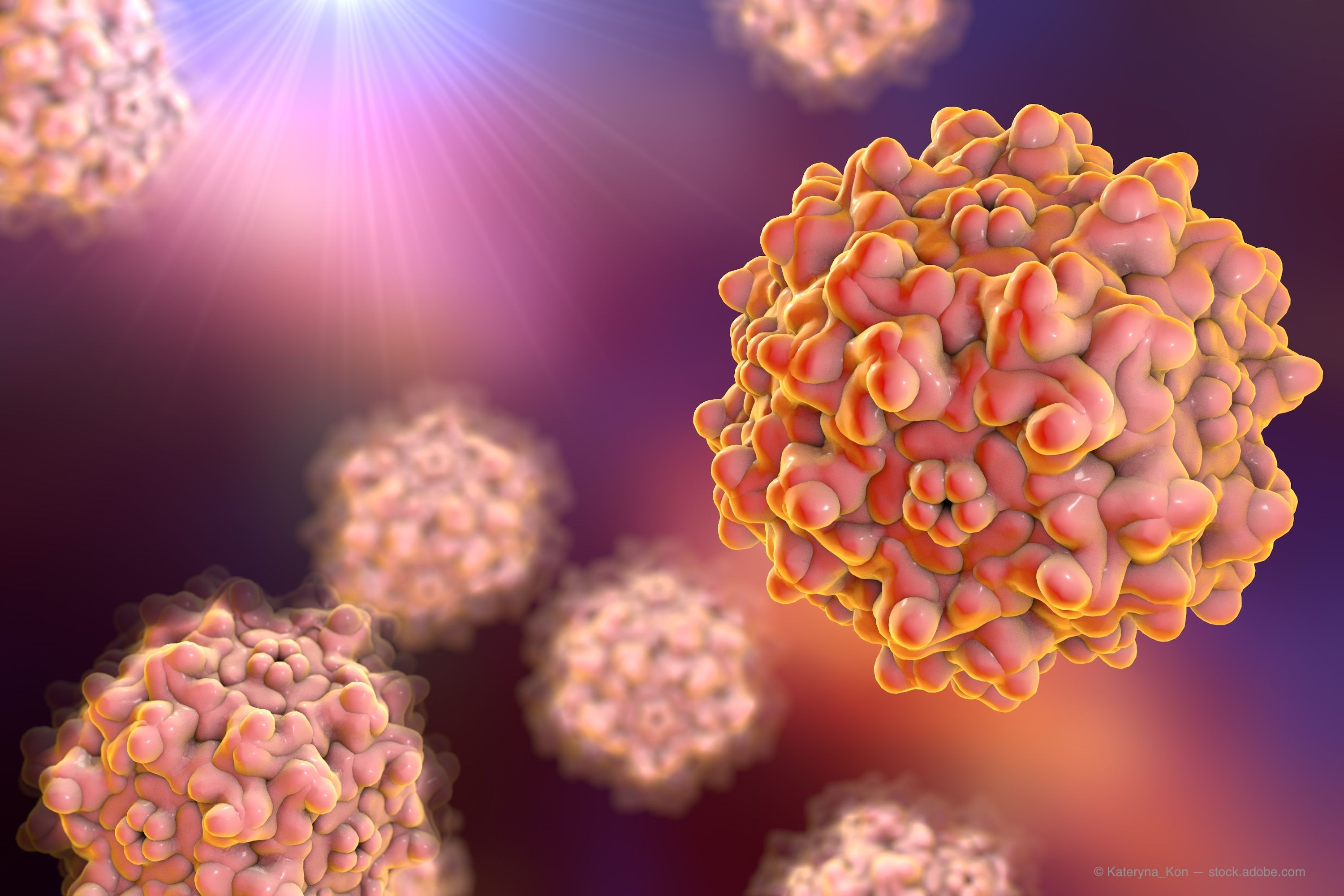















During the trial, a patient gained vision, which lasted more than a year, after a single injection of an experimental RNA therapy into the eye.
During the trial, a patient gained vision, which lasted more than a year, after a single injection of an experimental RNA therapy into the eye.

Mary Elizabeth Hartnett, MD, FACS, FARVO, and Mark Breazzano, MD, discuss current research being conducted involving AMD and maximizing patient outcomes amid the pandemic.

Study highlights role of demographic and socioeconomic characteristics in treatment.

The results from Diabetic Retinopathy Clinical Research Network protocols have become the standard of care for treating DME and proliferative diabetic retinopathy.

Option demonstrates stable to improved visual acuity and retinal thickness.

Rapid fluid identification may result in better visual outcomes.
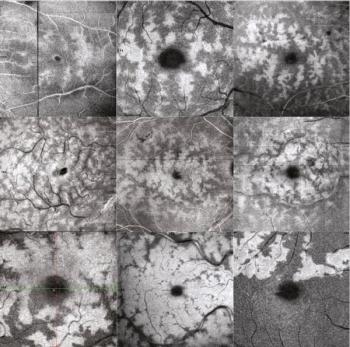
En-face OCT has advantages that make it very useful for characterising macular anatomy and pathologic features of various macular disorders.
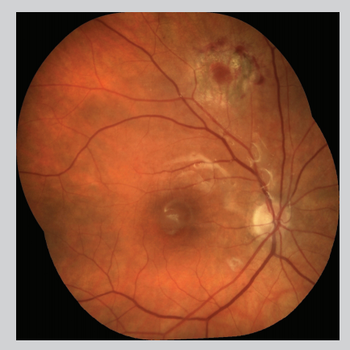
Transient sensory-motor abnormalities are often common
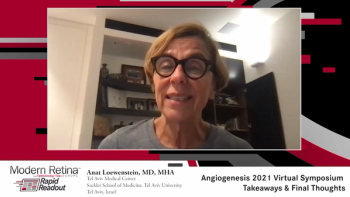
Anat Loewenstein, MD, MHA, explores dual Ang-2/VEGF-A inhibition in the management of diabetic macular edema and exudative age-related macular degeneration.
Angiogenesis, Exudation, and Degeneration 2021 Virtual Symposium highlights and thoughts on current treatments options for DME and exudative AMD are discussed.
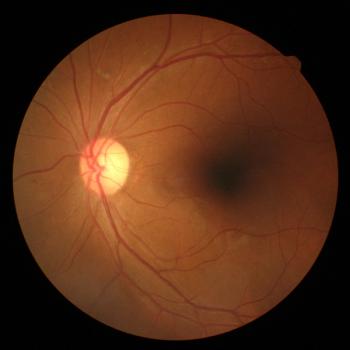
In the DRCR Retina Network Protocol V, which studied management strategies for eyes with centre-involving DMO and good visual acuity, the majority of eyes randomly assigned to initial observation completed the 2-year study without needing anti-VEGF therapy for vision loss and nearly one-third had spontaneous resolution of DMO.

SemaThera Inc. has announced a research collaboration and licensing agreement with Roche to develop a new class of biologicals for the treatment of diabetic retinopathy and other ischemic retinal diseases.
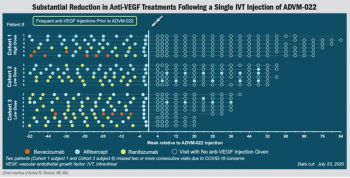
Investigators observe dramatic decrease in treatment burden seen in OPTIC study.

Novel gene therapy/medical device combo sheds light on retina in RP
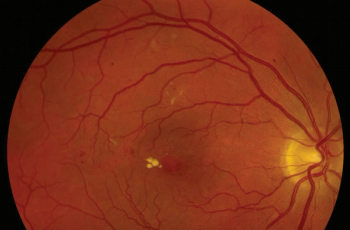
Protocol V delves into observation of disease.

Investigators set out to determine if treatment crosses blood-retina barrier.
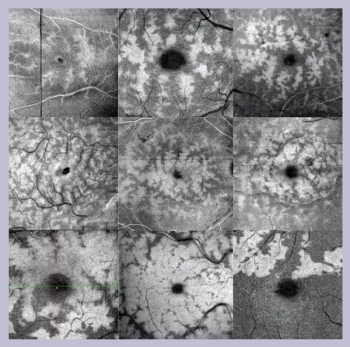
Technology helps physicians understand normal and abnormal macular anatomy.

Graybug Vision, Inc. has reported preliminary topline data from a 12-month treatment phase of its Phase 2b ALTISSIMO trial of GB-102 for the treatment of wet AMD.
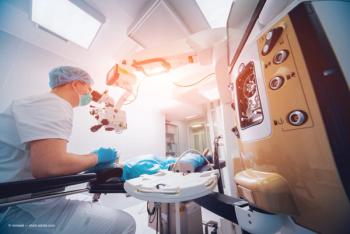
Transient sensory-motor abnormalities are often common.
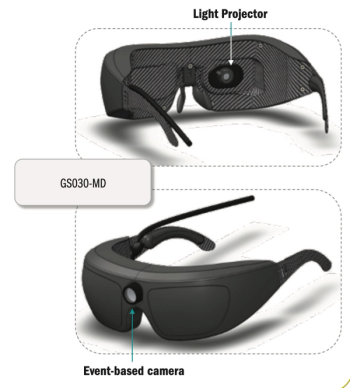
Treatment may facilitate sight in end-stage retinitis pigmentosa.

Although the majority of patients experience benefit with brolucizumab for the treatment of nAMD without severe adverse events, the risk of retinal vasculitis and/or retinal vascular occlusion needs to be balanced with potential benefits.

Baseline diabetic retinopathy severity is an important predictor of its progression in patients.

Women 34% less likely to receive retinal detachment repair.
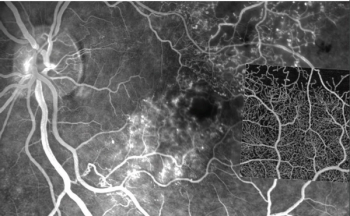
Tool can help physicians detect, monitor ophthalmic disease in their patients.