




Imaging
Latest News
Advertisement
Video Series





CME Content












Advertisement
Explore how digital image management and AI transform ophthalmology, enhancing diagnostics and personalizing patient care in retina practices.

Subramanian discusses how subtle retinal and optic nerve findings can point to underlying neurologic disease.
The future of diabetic retinal imaging will be impacted by the use of widefield OCT-A technology, enhancing diagnosis and monitoring while addressing current limitations.


OCT-A angiography can help reveal early neurodegenerative disease signs, offering a non-invasive method for identifying high-risk patients through retinal analysis.

Recapping the Heidelberg Engineering International SPECTRALIS Symposium—and Beyond.
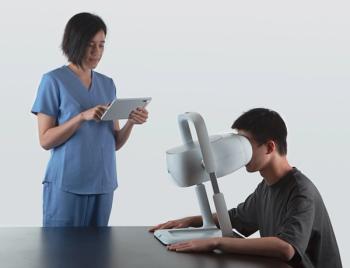

Advanced imaging and awareness of systemic risk factors are essential.
Ophthalmology celebrates 50 years of groundbreaking innovations, highlighting anti-VEGF therapies, OCT imaging, and future advancements in eye care.
Integrating IRIS technologies will allow Topcon to improve retinal disease diagnostics and referrals from primary care providers.

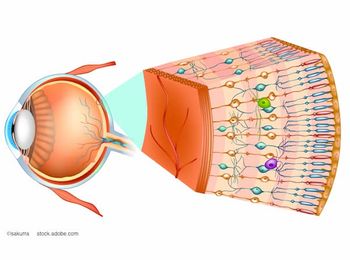
At the 2025 International SPECTRALIS Symposium—And Beyond (ISS), Chauhan discussed how two-photon microscopy enables precise, non-invasive monitoring of retinal ganglion cell function in living subjects.
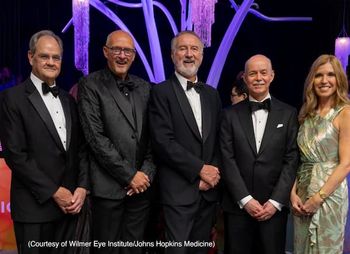
From Nobel laureates to AI-driven research, the Wilmer Eye Institute honors a century of transforming vision science and care.
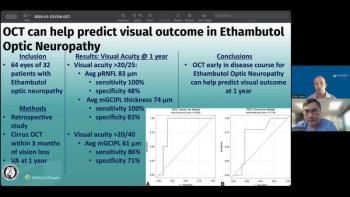
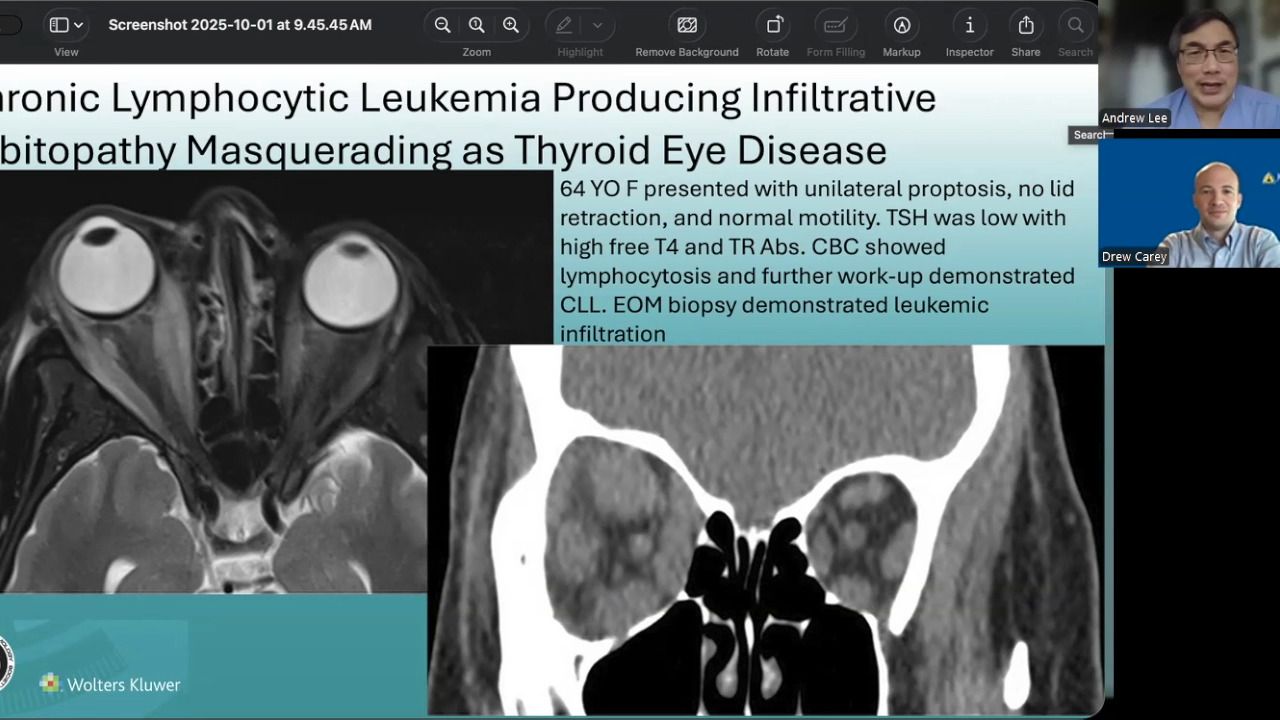
Andrew G. Lee, MD, and Drew Carey, MD, discuss how baseline optical coherence tomography parameters can help ophthalmologists counsel patients and make more informed decisions after ethambutol-associated optic neuropathy.
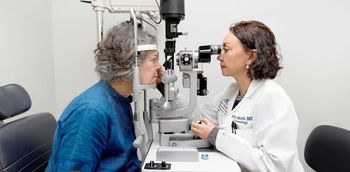
Q&A: Kira Manusis, MD, on how the Center for Refractive Solutions is redefining patient care at NYEE
As its director, Manusis outlines the facility’s role in delivering advanced, personalized solutions to improve vision and patient experience.

ZinserLab will focus on accelerating the development of imaging technologies in eye care.

With detailed imaging and cognitive data, the Northern Ireland Cohort for the Longitudinal Study of Aging highlights the potential of integrating eye scans into broader health research.

Optical coherence tomography markers—like the ellipsoid zone—are reshaping clinical trials in intermediate age-related macular degeneration, as highlighted at the 2025 International SPECTRALIS Symposium — And Beyond (ISS).

Fluorescence lifetime imaging ophthalmoscopy is emerging as a valuable tool to reveal previously hidden links between retinal changes and systemic disease.

The center aims to optimize patients' vision with a range of cataract and corneal refractive procedures and minimize reliance on glasses and contacts.

Deep learning discerns IIH, NAION, and normal eyes using single fundus image.

With 35+ lectures, a NASA keynote, and a river cruise through historic Heidelberg, this year’s symposium blends science and scenery

Jay Chhablani, MD, explains how 3D choroidal vessel segmentation transforms ophthalmology, enhancing disease diagnosis and treatment through advanced imaging technology.
Advertisement
Advertisement
Trending on Eye Care Network - Ophthalmology Times
1
FDA approves phentolamine ophthalmic solution 0.75% (Ryzumvi) for presbyopia
2
Alvotech files first known aflibercept 8 mg biosimilar with EMA
3
Uveitis: a practical guide for ophthalmologists and optometrists
4
AAO 2026: How to become an ocular pain detective in dry eye
5