

















Jeff Nau, PhD, MMS, President and CEO of Oyster Point Pharmaceuticals, provides an appraisal of the company's pipeline as well as updates on recent innovations to hit the market.

Jeff Nau, PhD, MMS, President and CEO of Oyster Point Pharmaceuticals, provides an appraisal of the company's pipeline as well as updates on recent innovations to hit the market.

According to a news release, Oculis officials hope to forward product candidates to address areas of significant medical needs, including diabetic macular edema, dry eye disease, and neuro-retina indications such as glaucoma, affecting growing patient populations.
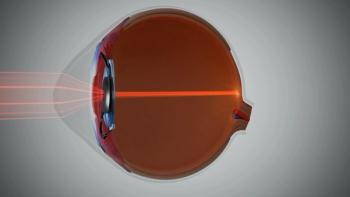
Anterior segment surgeon expands on the use of the XtraFocus pinhole implant.

A California ophthalmologist posted a video of a procedure she performed to remove 23 contact lenses from a woman’s eye, and the video has gone viral, with more than 1 million views.
Kathryn A. Colby, MD, PhD, discusses highlights of the World Cornea Congress, which was held recently in Chicago.

Hear how ophthalmologists and optometrists in the United States are recognizing the importance of this year's awareness day.
Adam Szaronos, President and CEO of Trukera Medical, discusses the recent rebranding of TearLab as well as the launch of the ScoutPro Osmolarity System.
The setting for this year's Ophthalmology Times® EyeCon 2022 at the JW Marriott Marco Island Beach Resort in Florida will provide the opportunity for clinical interaction between faculty and attendees along with the practicality of information.
At AAO 2022, Philip Dockery, MD, MPH, presents, "Effectiveness of corneal crosslinking in young patients."
Kathryn A. Colby, MD, PhD, sits down with Ophthalmology Times to discuss her 2022 AAO presentation: "Endothelial Keratoplasty Should I Choose? DSAEK, DMEK, DSO"
At AAO 2022 in Chicago, Illinios, Christopher Starr, MD, presented a talk entitled, "Efficacy of OC-01 (varenicline solution) (VNS) 0.03mg for Treatment of Dry Eye Disease Signs and Symptoms in Subjects With and Without Antidepressant/ Anxiolytic Use: Post-hoc Analysis of ONSET-1 and ONSET-2 Clinical Trials."
David Hutton discusses the AAO 2022 presentation, "Corneal Edema, Opacifications, Ectasia, and Bacterial Keratitis: Diagnosis and Treatment Strategies from the Preferred Practice Pattern Guidelines," with speaker Francis S. Mah, MD.
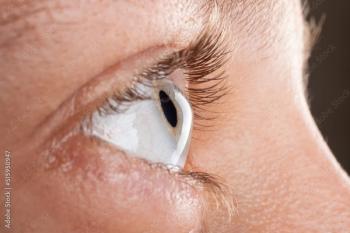
CXL Ophthalmics Inc. on Thursday published results of the EpiSmart cross-linking Phase 2 study for keratoconus.

The destination of Marco Island, Florida not only serves as an excellent backdrop for this year's Ophthalmology Times® EyeCon 2022 but also provides a unique opportunity for family members to see their ophthalmic loved ones in a professional light.
Co-chairs Peter J. McDonnell, MD, director of the Wilmer Eye Institute at Johns Hopkins University School of Medicine in Baltimore, Maryland, and Oluwatosin U. Smith, MD, of Glaucoma Associates of Texas in Dallas break down the top reasons to attend this year's Ophthalmology Times® EyeCon 2022 in a series of video segments.

Ophthalmologists should instruct their patients to pay attention to their eye health for the long term.

Claes H. Dohlman, MD, PhD, widely considered the father of modern cornea science, is a recipient of the 2022 António Champalimaud Vision Award. The award, considered the “Nobel Prize of Vision," comes with a $1 million prize .

The ScoutPro system allows eye care practices to minimize tech time and seamlessly integrate osmolarity testing into any practice configuration or patient protocol.
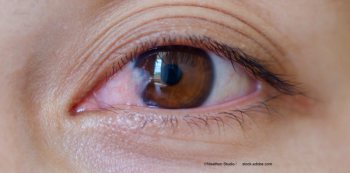
Product is forging a future in ocular regenerative procedures

The IOL has a hybrid design that combines the benefits of central extended depth-of-focus technology and multifocal technology that provides a continuous range of high-quality vision ranging from distance and intermediate and near vision to about 12 to 14 inches.

George Waring IV, MD, FACS, points out that supplementation and customized procedures are in the offing.

With a few key steps, surgeons can avert potential refractive surprises, and reduce postoperative dry eye for patients.

Reservoir restoration can re establish the normal anatomy and function of the conjunctiva.
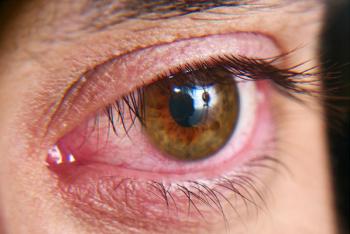
By creating customized packages that incorporate the range of diagnostic and treatment options available, practices can simplify dry eye management and improve patients' outcomes.

Oyster Point Pharma Inc. today announced that the largest Medicare pharmacy benefit manager in the United States will add its varenicline solution nasal spray (Tyrvaya) for the treatment of dry eye on its Medicare Part D formularies, effective September 1.