






Retina
Latest News
Advertisement
Video Series


CME Content










Advertisement
The tool shows disease progression and vision loss simulations for multiple diseases such as AMD, XLRP, and achromatopsia

During the month of May, Prevent Blindness will offer fact sheets, videos and other resources for IRD education

Gildeuretinol halts Stargardt disease progression, study results indicate

The collaboration will bring automated, AI-powered OCT segmentation to MICRON Software Suite.

CRISPR manipulation presents opportunities and challenges.

The online tool shows vision loss simulations for diabetic macular oedema, diabetic retinopathy, age-related macular degeneration and other retinal diseases

Prof Tadayoni was a much-admired leader, researcher, surgeon and EURETINA President

SGT-1001 uses its novel gene coding technology for gene integration via transposition. It plans to advance SGT-1001 into the clinic in the first half of 2025.

Shift could lead to changes in the current management of retinal diseases
News
According to the company, 46.2% of patients demonstrated a 1- or 2-step improvement in the Diabetic Retinopathy Severity Scale (DRSS) at 40 weeks in the Axpaxli arm, compared to 0% in the control arm.

According to the company, the grant funding from the Choroideremia Research Foundation is in support of validating functional vision assessments for patients with profound blindness.

The company’s AI technology uses retinal imaging to assess potential health risks in patients.
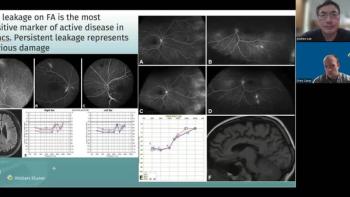
Andrew Lee, MD, and Andrew Carey, MD, sit down on another episode of the NeuroOp Guru to discuss Susac syndrome, and how leakage on fluorescein angiogram might be the most sensitive marker of activity of disease.

The company created this new role as they see continued growth and room for more expansion.

Scientists at the National Institutes of Health use artificial intelligence called ‘P-GAN’ to improve next-generation imaging of cells in the back of the eye.

VG901 is designed to deliver a functional CNGA1 gene to retinal photoceptor target cells in patients diagnosed with retinitis pigmentosa.

The Phase 3 study will have a sample size of 150 participants—one arm of 75 participants with the RHO gene mutation and the other arm with 75 participants that are gene agnostic.
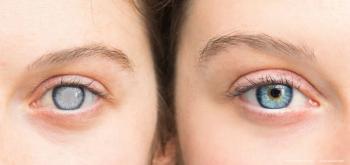
Investigators wanted to determine why patients who have retinal diseases such as diabetic retinopathy (DR) or age-related macular degeneration (AMD) can undergo cataract surgeries without experiencing a worsening of their retinal disease, while some patients do.

Zeiss has secured regulatory approvals to acquire DORC and will shift focus to integration implementation

Multimodal imaging and a systemic work-up failed to identify any underlying disorder for the hemorrhages

According to the company, MCO-010 achieved its primary and key secondary endpoints with statistical significance and no serious adverse events.
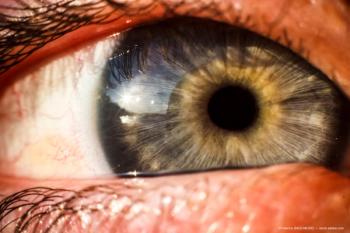
Patients can experience solar retinopathy after viewing the eclipse without protection, but it also can occur from outdoor activities, including those mentioned. It can lead to symptoms that include blurry vision, vision loss at the center of a patient’s sight and eye pain.

The effort led to the creation of an artificial vitreous body for treating retinal detachment. This solution is based on a natural carbohydrate derived from algae.
Explore cutting-edge ophthalmology innovations in this new series on the Ophthalmology Times EyePod podcast. Throughout this series, we'll hear insights from various stakeholders in clinical practice, academia, and industry. In this episode, host Ehsan Sadri, MD, engages in a conversation with Jeffry Weinhuff, managing partner at Visionary Ventures, exploring trends and offering advice for individuals driven by an entrepreneurial mindset.

In addition to the primary safety and tolerability endpoints, the study also saw signals of biological response from EXN407
Advertisement
Advertisement