





Retina
Latest News
Advertisement
Video Series



CME Content










Advertisement

Electrophysiologic testing combined with structural imaging to zero in on issues.
NR1D1 and NR2E3 orphan nuclear receptors were found to have low levels of expression in patients with advanced retinoblastoma.

Retina specialists Giuseppe Querques, MD, PhD, and Paolo Lanzetta, MD, debate at the Congress on Controversies in Ophthalmology

Good news for patients: use of anti-complement therapies have caused the growth rate of GA lesions to decrease
At this year's Congress on Controversies in Ophthalmology, keynote speaker Ursula Schmidt-Erfurth, MD, addressed the clinical use of artificial intelligence

The trial evaluated nesvategrast (OTT166 5%) eye drops in patients with diabetic retinopathy.

The collaboration combines Clario's transformative technology with Cleveland Clinic's market-leading imaging expertise and AI-enabled analysis to help bring new therapies to patients, faster.

Advances in virtual reality and AI are helping those with AMD and low vision.

The organization aims to educate viewers of dangers and safety precautions ahead of the eclipses.

Kiora also stated a Phase 2 trial of KIO-104 is expected to begin later this year

John Bertrand, CEO of Digital Diagnostics sits down with Managing Editor David Hutton of Ophthalmology Times to talk about the importance of early screening for diabetic retinopathy as well as other diagnostic options for National Save Your Vision month.
The retina specialist shares advice for the clinician-scientists of a digital-centric future

ChatGPT-4 (OpenAI) had an overall “fair” performance when answering multiple-choice ophthalmic questions unrelated to multifocal imaging.

The approval marks the first new steroid on the ophthalmic market in more than 15 years.

A longitudinal, AI-based approach to fluid quantification

The supplement is specifically crafted to promote healthy intraocular pressure (IOP), nurturing the well-being of retinal ganglion cells, and sustain the health of the retinal nerve fiber layer while boosting memory and concentration.

Stargardt disease is an orphan blindness disease that affects approximately 35,000 people in the United States.

The algorithms could provide major accessibility improvements and cost savings to underdeveloped regions

According to the company, its proprietary non-viral gene therapy platform with minimally invasive delivery technology is providing long lasting gene expression and favorable distribution in the retina.

According to the company, 2,500 clinical and peer-reviewed studies that span 235 disease states have demonstrated the clinical utility of Optos technology.

The authors suggested genetic mutation may relax the body’s defences and allow harmful bacteria to reach the eye

The Retinopathy of Prematurity (ROP) Education and Support Programme is part of ROP Awareness Week, recognised from 26 February to 3 March
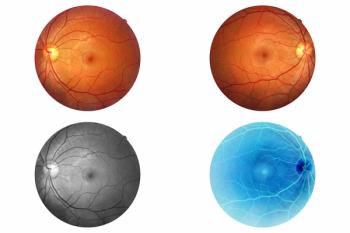

Prevent Blindness is offering a variety of free educational resources to the public and professionals
Advertisement
Advertisement