










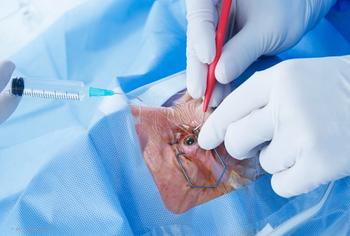
Cathleen McCabe, MD, presents results of a retrospective study highlighting the effectiveness of dexamethasone intraocular suspension 9% following cataract surgery.

Cathleen McCabe, MD, presents results of a retrospective study highlighting the effectiveness of dexamethasone intraocular suspension 9% following cataract surgery.

A new report has found that glaucoma specialists’ procedure of choice has changed as a result of the COVID-19 pandemic.
Physician offers practical advice for the use of systems.

Although minimally invasive procedure gives hope, additional research is required.
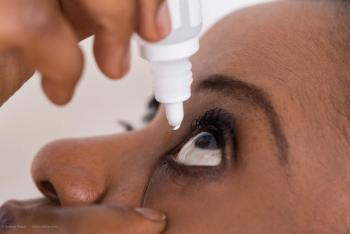
Administration has minimal impact on patients’ perception of pain.

ASCRS has issued a statement calling on Aetna to drop a new prior authorization policy it implemented last week that delays cataract surgeries.

Ex vivo experiment identifies potential benefit for supplementary oxygen.

Uday Devgan, MD, FACS, of Devgan Eye Surgery in Los Angeles and Beverly Hills, CA, answers a few key questions his patients have asked when considering cataract surgery.

MIGS drainage device offers hope for challenging cases.
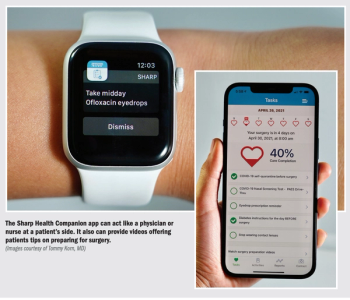
Technology enables physicians to provide and receive important information more quickly.

Much of today’s surgical refuse is due to the single use of virtually everything.

In recognition of Cataract Awareness Month.
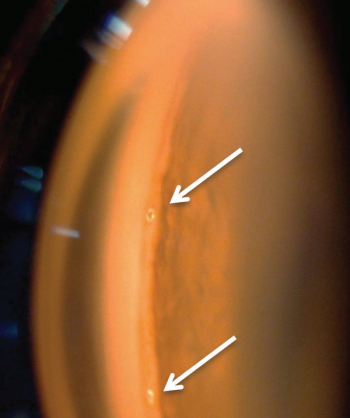
Retrospective review highlights the sustained efficacy of combination procedure.
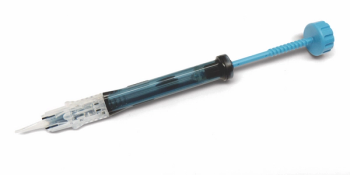
According to the company, more than 400 eyes of patients from 12 European countries have been fitted with the TECNIS Eyhance Toric II IOL, with surgeons surveyed noting that their patients are pleased with the results.

Use of such procedures increased markedly in analysis of IRIS Registry Data.
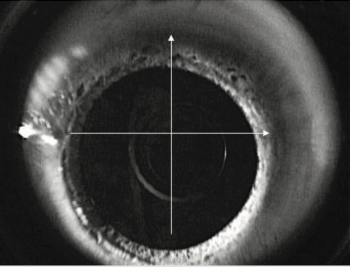
Procedure can improve best-corrected visual acuity, enhancing quality of life for patients.
Oluwatosin U. Smith, MD, Glaucoma Associates of Texas, offers an update on optimization and surgical modifications of newer glaucoma surgeries in preop and postop settings.
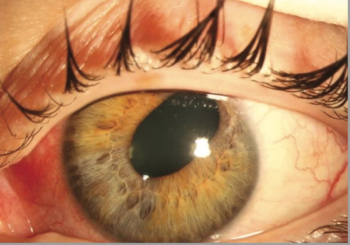
Case of anterior segment ischemia involves young adult with prior carotid artery injury.
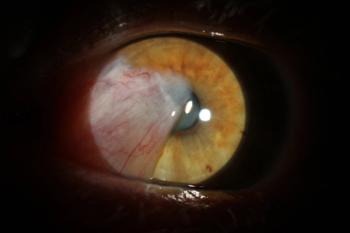
A recent study may indicate the need for future research to assess the relationship between pain and the anterior chamber depth.


Investigators examine the demographic, refractive, PRO data measure.

Observation over the long term is needed to determine treatment efficacy.

Ophthalmologist details his preferred technique to avoid complications during procedure.
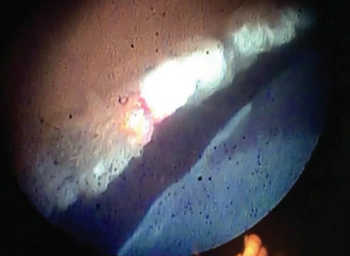
Short learning curve, significant clinical advantages make this a comfortable addition.

Surgeons learn that timing is everything when using technology.