

Physicians struggling under the strains of the pandemic often think they cannot seek professional counseling, as burnout is at an all-time high and more than 50% of ophthalmologists saw their incomes drop by more than 50%.

Physicians struggling under the strains of the pandemic often think they cannot seek professional counseling, as burnout is at an all-time high and more than 50% of ophthalmologists saw their incomes drop by more than 50%.

Monofocal toric lens delivers effective astigmatic correction and more, study results show

Humoral immunity against SARS-CoV-2 may not last long in individuals who had mild infections, and the loss of antibodies may actually be quicker than reported previously for the virus, according to investigators from the David Geffen School of Medicine, University of California, Los Angeles.


Changes after DMEK, UT-DSAEK may be factors in reduced total corneal refractive power
Ocular comorbidities diminish BCVA results
Amid a surge in dry eye cases since reopening her practice during the ongoing pandemic, Lisa Nijm, MD, JD, shares how cyclosporine, a well-established form of treatment, poses both challenges and advantages for ophthalmologists.

According to an analysis of Medicaid enrollment data during the coronavirus disease 2019 (COVID-19) pandemic, there has been an increase in enrollment during the crisis. This shift is likely to have a ripple effect throughout the healthcare landscape, including ophthalmology.
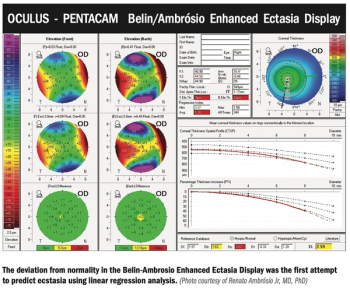
Relational thickness altered tool details LASIK impact on the cornea.
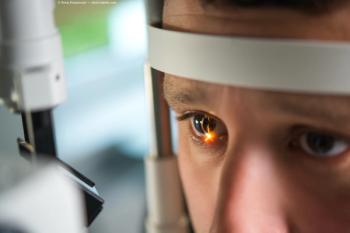
Study results give ophthalmologists a plan for treating patients with good vision.
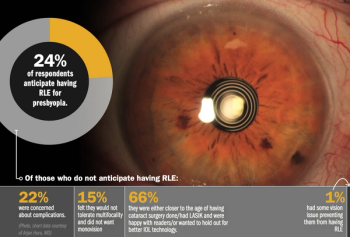
RLE, in unexpected twist, is gaining support among surgeons

A survey by the American Association of Pediatric Ophthalmology and Strabismus found that the COVID-19 pandemic could leave some pediatric ophthalmology practices highly strained, possibly beyond repair.
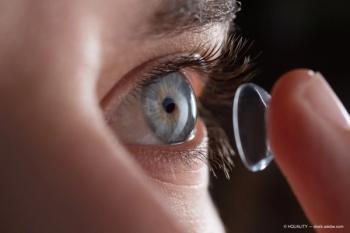
Nanodrop technology improves lens comfort
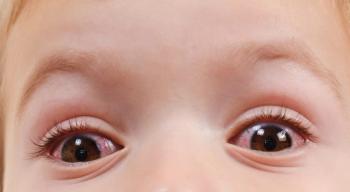
A new study out of Wuhan, China where the novel coronavirus was first detected in late 2019 found that some children hospitalized with COVID-19 presented with series of onset symptoms that included conjunctival discharge, eye rubbing, and conjunctival congestion.
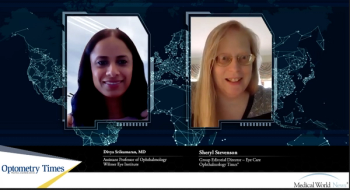
Divya Srikumaran, MD, assistant professor of Ophthalmology at the Wilmer Eye Institute (Johns Hopkins University), discusses the results of a study published in the American Journalism of Ophthalmology regarding the growth and shift of the physician assistant profession into specialty care as well as the more valuable role PAs are taking in providing healthcare.
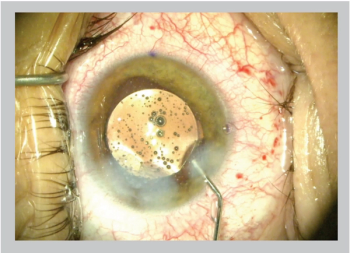
Options can reduce the treatment burden for patients, leading to improved outcomes
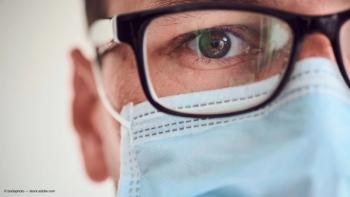
Wearing a face mask can help slow the spread of COVID-19, and may also lead to a spike in cases of dry eye. The Centre for Ocular Research and Education at the University of Waterloo, Ontario, Canada, is advising eye care professionals on how to recognize and mitigate mask-associated dry eye.
Organization kicks off initiative as it views mental health as a key public health concern in the WHO European region, where more than 110 million people are living with some type of mental health issue.
Pandemic highlights need for longer-lasting agents to reduce treatment burden in evolving field.

Large randomized trial compares efficacy and safety of multiple regimens
A vehicle-controlled phase 2 study investigating once- and twice-daily administration of a novel, preservative-free topical formulation of dexamethasone as treatment for pain and inflammation after cataract surgery met its primary endpoints.

A New York City physician describes how he coped with the disease in the early days of its US appearance as well as the silver lining in his diagnosis: a reinforcement of the doctor-patient relationship.
Tim McCall, PhD, associate director, Surveys & Analysis, American Academy of PAs, discusses a study published in the American Journal of Ophthalmology exploring the expanding role of assistant physicians into specialty care and ophthalmology practice.

Investigators with the Texas Tech University Health Sciences Center Department of Ophthalmology and Visual Sciences have filed a US patent for a novel peptide that uses selenium as a catalyst to target vulnerable areas of coronaviruses, including COVID-19.
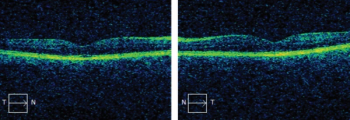
Investigators find value in screening for macular disease in preoperative evaluation

Susan Coultas, PhD, and Preeya Gupta, MD, share their hopes for continued innovation in the ophthalmic space — including dry eye and retina — as well as the importance of the clinical research process.

Candidate continues to demonstrate encouraging safety, tolerability, and efficacy
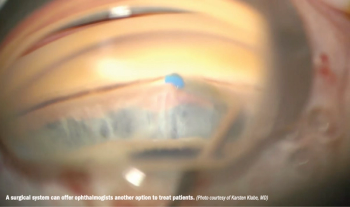
Investigators note the need for less medication over 12-month period
Checking own work postoperatively offers value to ophthalmologists