













Data for IG-002 show for the first time that a single subretinal administration of a DNA payload encoding the human ABCA4 gene resulted in durable expression of human ABCA4 protein.
Data for IG-002 show for the first time that a single subretinal administration of a DNA payload encoding the human ABCA4 gene resulted in durable expression of human ABCA4 protein.

Industry leaders view pegcetacoplan as most important retinal technology in 10 years.

The company plans to advance AAV-based gene therapy candidates toward IND studies on encouraging animal proof of concept data in Stargardt disease, X-linked retinoschisis, and autosomal dominant optic atrophy.
Alice Epitropoulos, MD, gives some insight into meibomian gland dysfunction (MGD), one of the most prevalent forms of dry eye.

The voluntary recall is being issued out of an “abundance of caution” due to cracks that have developed in some of the units caps of the bottles.

Alice Epitropoulos, MD, gives tips on how to optimize treatment for patients with meibomian gland dysfunction (MGD).

According to researchers, patients with chronic CSC treated with 1 fovea-involving, half-dose PTD application had a significant improvement in structure and function at the final follow-up and foveal atrophy did not develop in any patients.

Primary vitreoretinal lymphoma is a rare, aggressive, and potentially fatal retinal cancer that is diagnosed in approximately 300 to 600 patients in the United States per year.

David S. Boyer, MD, presented data from the PHOTON study examining the safety and efficacy of high-dose aflibercept for treatment of diabetic macular edema at the 2023 Angiogenesis, Exudation, and Degeneration conference.

Analysis of data from the pooled Tenaya and Lucerne studies showed the faricimab achieved greater anatomic improvements compared to aflibercept during the matched-dosing period.

Managing dry eye requires addressing underlying disease process with therapy, treatments

The survey addressed topics that would facilitate a better understanding of the awareness of retina specialists regarding this relative new form of treatment in ophthalmology.
Rishi Singh, MD, presented data from the Phase 3 DERBY and OAKS clinical trials for geographic atrophy at the 2023 Angiogenesis, Exudation, and Degeneration conference.

In a presentation at the Angiogenesis, Exudation, and Degeneration 2023 meeting hosted by Bascom Palmer Eye Institute, Baruch Kupperman, MD, PhD, detailed research in which investigators evaluated risuteganib for safety and effectiveness in patients with dry AMD.

In a presentation at the 2023 Angiogenesis, Exudation, and Degeneration program, Usha Chakravarthy, PhD, FRCOphth, CBE, presented data from the trial of lampalizumab, which is peeling back some of the mystery shrouding geographic atrophy.

According to the company, reproxalap is a small-molecule modulator of reactive aldehyde species that will be used for the treatment of the signs and symptoms of dry eye disease.

A POSTECH research team has developed a wireless theranostic smart contact lens for monitoring and control of intraocular pressure in glaucoma.
L. Jay Katz, MD, provides some key takeaways from his Glaucoma 360 2023 presentation, "Steroid Induced Glaucoma Management."

Kristen H. Ingenito, MBA, vice president and director of ophthalmics at Market Scope, discusses the volume of ophthalmologists offering interventional glaucoma treatment as well as emerging therapies in her presentation at the Glaucoma 360 New Horizons Forum.

Vial will be supporting RecensMedical with the phase 3 clinical trial for its Ocu-Cool system.

Several strategies exist to improve safety of injections for patients.

According to the company, it is planning to hold an end-of-phase 2 meeting with the FDA to discuss the results.

Viridian Therapeutics unveils positive data from its ongoing Phase 1/2 trial evaluating low dose VRDN-001 in patients diagnosed with TED.
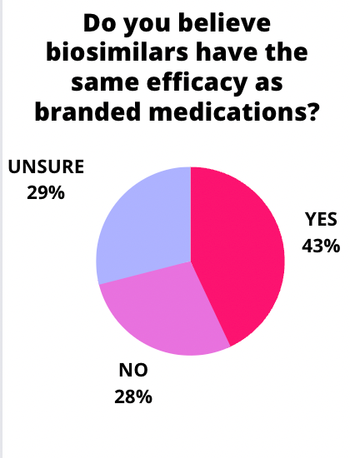
Results from our recent poll indicate a mixed bag of responses from ophthalmologists.
Rishi Singh, MD, of Cleveland Clinic Florida, touches upon the various advancements that are making a difference for clinicians and patients and reducing their progression in this disease state.