






Pediatrics
Latest News
Advertisement
Video Series





Shorts

1:26
A new kind of glaucoma
a month ago
by
Adam Jacobson, MD(+1 more)
0:35
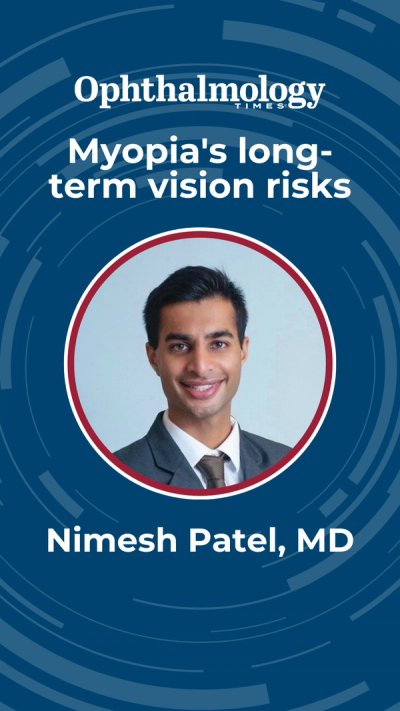
Nimesh Patel, MD, on why pediatric myopia is more than a glasses problem
2 months ago
by
Nimesh Patel, MD(+2 more)

0:54
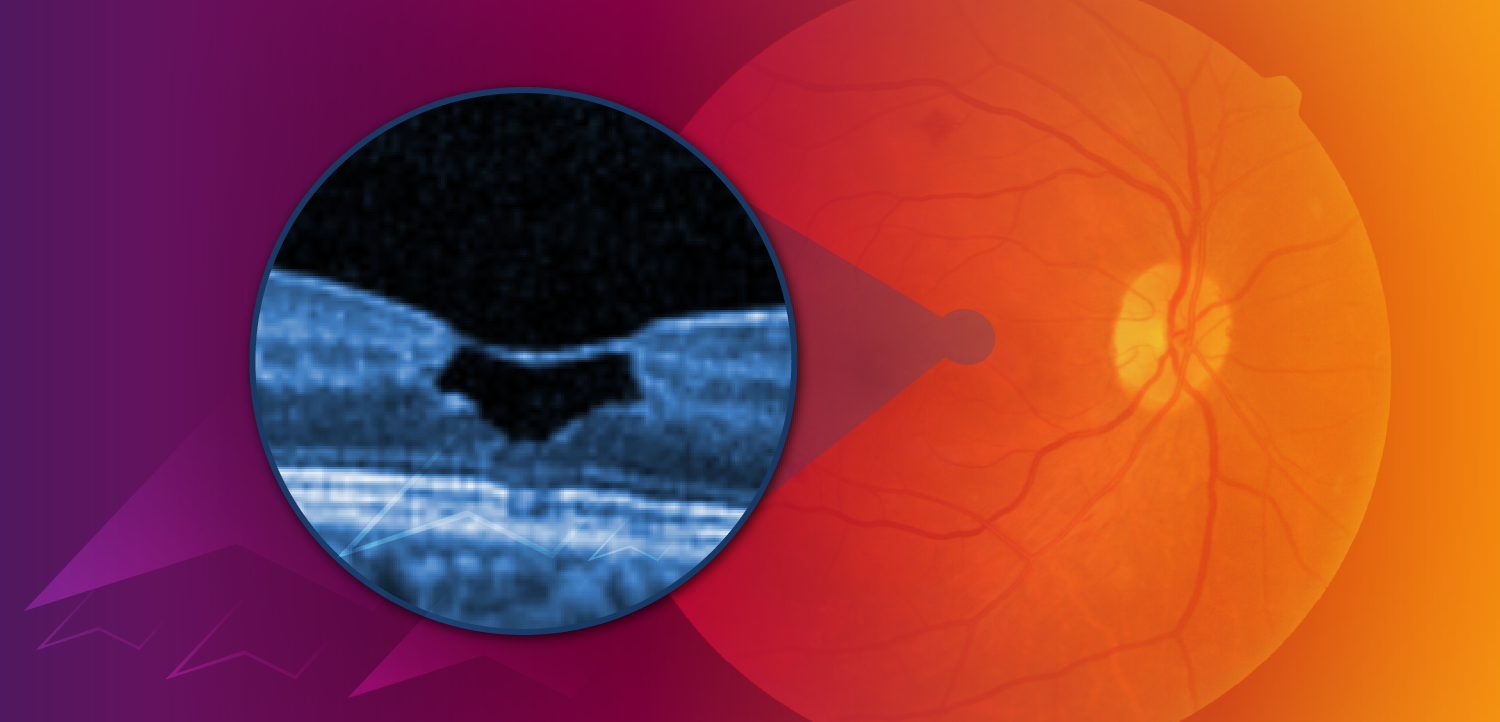
Could bedside OCT spot neurodevelopmental risk in infants before symptoms?
3 months ago
by
Cytnthia Toth, MD(+2 more)
0:57
Retina as a window to the brain: a biomarker approach to ROP
3 months ago
by
Cytnthia Toth, MD(+2 more)

0:37
Tracking infant brain health at the bedside
3 months ago
by
Cytnthia Toth, MD(+2 more)

0:42
Can a retinal scan predict autism risk?
4 months ago
by
Cytnthia Toth, MD(+2 more)
CME Content









Advertisement

Nimesh Patel, MD, urges the FDA to reconsider SYD-101 as pediatric myopia drives earlier retinal damage in US children.

The meeting will include an Open Public Hearing.
Reconstructing periocular defects in children requires planning for growth, not just repair.

AMA resolution backs classifying myopia as a disease, aiming to expand insurance coverage for pediatric myopia control treatments.

Cerebral visual impairment is now the leading cause of childhood vision loss. Three experts explain the history, science, and clinical signs eye care providers need to know.

Angela Y. Zhu, MD, of Bascom Palmer Eye Institute, explains how to distinguish eye allergy from vision-threatening VKC and AKC in children and when steroid-sparing therapy and referral are warranted.

Noha Ekdawi, MD, FAAP, explains why pediatric myopia demands individualized, progression-based management. She details how they sequence spectacle defocus lenses, low-dose atropine, and specialty contacts; drive long-term adherence; and frame lifetime risk for parents without causing alarm.
The first half of 2026 turned on inherited pediatric eye disease, with 2 gene therapy programs advancing toward registration and a high-profile complete response letter in a childhood-onset optic neuropathy.

A new survey has discovered a gap between the value parents place on children's vision and the comprehensive eye care that teens and young adults receive.

Ultra-widefield imaging reveals early retinal risk in pediatric patients.

Three-year gene therapy data, an FDA reversal in wet AMD, light-powered dry eye treatment, a new macular supplement, and progress in childhood glaucoma—our review breaks down the 5 May 2026 stories that matter.

Michigan pediatric ophthalmologist advances childhood glaucoma care with longer-lasting Ahmed valves, Ologen, and new clues on prematurity glaucoma.

Five-year pediatric Boston KPro results show vision gains, but low retention and high membrane, melt and glaucoma risks persist.

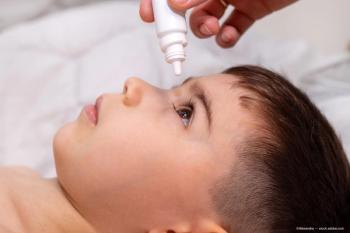
This study sheds light on the use of 0.05% atropine, which has been reported to be effective against myopia progression in some but not all studies.

Phase 3 shows epi-on oxygen CXL flattens pediatric keratoconus, improves vision, and stays well tolerated—now commercially available.
Advertisement
Advertisement
Trending on Eye Care Network - Ophthalmology Times
1
BL1332 misses primary end point in phase 2 post-PRK ocular pain study
2
Water-soluble CBD eye drops lower IOP and dampen corneal sensitivity in glaucoma mouse model
3
Dry eye and Sjögren disease: Esen Akpek, MD, on screening and referral
4
FLORetina-ICOOR 2026: AI moves from the image to the trial, the clinic, and the operating room
5