


















Research teams in various countries are pioneering different methods of data processing and deep-learning AI to create new models of care.
Research teams in various countries are pioneering different methods of data processing and deep-learning AI to create new models of care.
Investigators determine that patient rates of adherence with gonioscopy are low.
Ophthalmologists and industry KOLs share what lingers on their minds at the end of the day.

Michael A. Singer, MD, speaks on the highlights of his presentation focusing on IOP in the PALADIN 24-month data intravitreal steroid (ILUVIEN).

Ophthalmologist details his preferred technique to avoid complications during procedure.
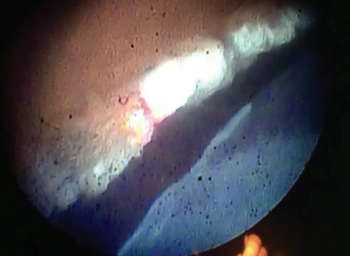
Short learning curve, significant clinical advantages make this a comfortable addition.
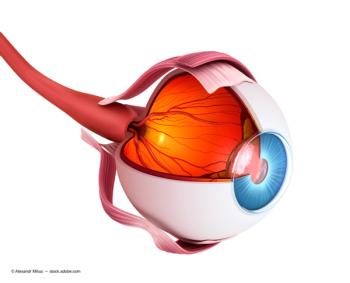
IOP-controlling protein in the trabecular meshwork may get the fluid moving.

Approach can unravel causes in MYOC and TBK1 glaucoma.

A cost-utility analysis found that concurrent phacoemulsification and minimally invasive glaucoma surgery using trabecular microbypass stents is cost-effective for treating mild to moderate open-angle glaucoma, compared with cataract surgery alone.

Many genes and polymorphisms have been identified as being associated with glaucoma, predicting progression, identifying those at increased risk and allowing treatment to be optimised.
Investigators find treatment is an option for treating open-angle glaucoma.
George Waring IV, MD serves as guest host for ‘History and Evolution of Contemporary Refractive Surgery’
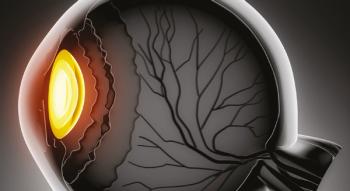
Artificial intelligence and genetic testing are expected to facilitate choosing the best treatment for each unique glaucoma patient within the next decade. This will not only lead to the best outcomes for individuals but will also spare them the costs and side effects of suboptimal treatments.

Ophthalmologists share the most pressing issues on their mind within the glaucoma space — and why losing sleep from time to time may actually be a good thing.

A clinical trial of NCX 470 will evaluate the drug for the lowering of IOP in patients with open-angle glaucoma or ocular hypertension.

Evidence for a connection between low vitamin D levels and glaucoma is increasing but the link remains speculative and no causal connection has been demonstrated.
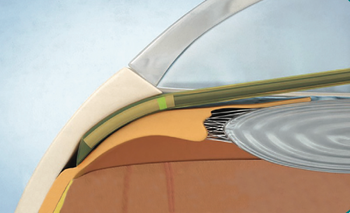
A supraciliary minimally invasive glaucoma procedure may offer a valuable bleb-free treatment option for patients with glaucoma that requires low target pressures.
Physician presents pearls for effective use, leading to positive outcomes for patients.

Intraocular drainage surgery in angle closure remains experimental and investigators are collecting data regarding its efficacy as well as adverse effects.

In this latest EyePod® episode, Sahar Bedrood, MD, PhD, shares her clinical perspective on the multi-faceted, dynamic evolution of interventional glaucoma.
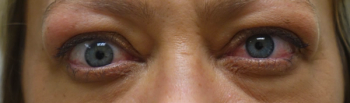
Patients show impressive proptosis and diplopia responses to teprotumumab.
Dr Anthony Khawaja, speaks on how ophthalmologists can revolutionise the diagnosis and treatment of glaucoma through precision management.

Arsham Sheybani, MD, offers insight on how his glaucoma patient management protocols have altered and the shift in subconjunctival surgery in light of the pandemic.
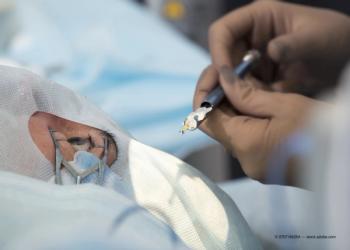
New World Medical relied on feedback from surgeons in the development of the device, which was registered with the FDA in October.