












Jason Menzo is named CEO, while Russell Kelley, PhD, MBA, will become managing director of the RD Fund. Ben Yerxa, PhD, will take the helm of Opus Genetics, the first RD Fund- and foundation-backed spin-off company.

Jason Menzo is named CEO, while Russell Kelley, PhD, MBA, will become managing director of the RD Fund. Ben Yerxa, PhD, will take the helm of Opus Genetics, the first RD Fund- and foundation-backed spin-off company.

Increasing understanding of the genetics behind Usher syndrome suggests that treatment may become possible in the very near future.

The research is the result of a national collaboration led by investigators from the Centre for Eye Research Australia at the University of Melbourne and University of Tasmania and the Garvan Institute of Medical Research.

Genetic and clinical research reveals new type of macular dystrophy, a cause of central vision loss.
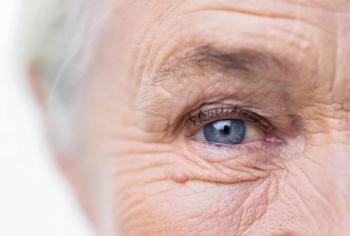
According to the study by a team of researchers from the University of California Irvine and University of Southern California, treatment with Humanin G reduced protein levels of inflammation markers that become elevated in age-related macular degeneration.

Promising gene therapies in development are pinpointing steps in the pathogenic cascades involved in ocular diseases, such as VEGF for wet AMD and CFI for dry AMD.
At ARVO 2022 in Denver, Colorado, Timothy Blenkinsop, MD, presented “3D Eye Organoids with Distinct Cornea.” His presentation outlined how these organoids have developed sophisticated cornea structures.
Aurion noted that its first candidate is a cell therapy for the treatment of corneal edema secondary to endothelial dysfunction.
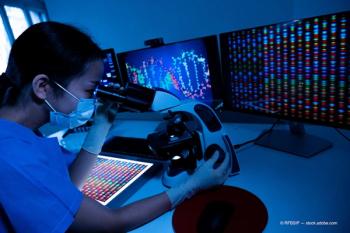
Variable TULP1 missense mutations in inherited retinal diseases.
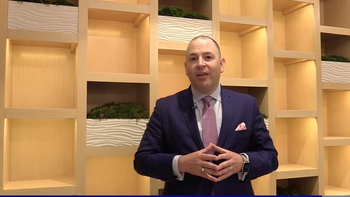
Greg Kunst, president and CEO of Aurion BioTech, shares a company update on endothelial cell therapy trials, clinical plans and upcoming data.
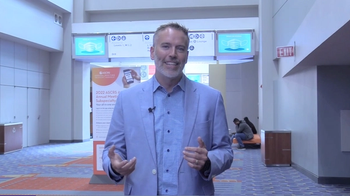
John Berdahl, MD, discusses the technique and benefit of endothelial cell therapy. An early technology, this therapy method allows for up to 100 treatments out of a single human cornea.

Options under investigation for the treatment of AMD include interruption of the dry AMD disease process and gene therapy to prompt the retina to heal itself.

An end-of-week review of what happened in ophthalmology from April 9-April 15.

Impact of native lipids on rhodopsin signaling and regeneration opens door to GPCR drug discovery in native membrane environments

The trial marks the first-ever in vivo delivery of an experimental CRISPR gene editing medicine to a pediatric patient, with the company on track to complete dosing of the pediatric mid-dose cohort in the first half of 2022.

According to researchers at the University of California, Irvine, base editing may provide long-lasting retinal protection and prevent vision deterioration in patients with inherited retinal degeneration, specifically in Leber congenital amaurosis patients.
According to the company, the modifier gene therapy candidate is for the treatment of retinitis pigmentosa resulting from mutations in the nuclear receptor subfamily 2 group E member 3 and Rhodopsin genes.

The company’s announcement marks first clinical trial in humans of Ocugen’s modifier gene therapy platform.

The company’s announcement marks first clinical trial in humans of Ocugen’s modifier gene therapy platform.

A team of investigators at the Okinawa Institute of Science and Technology Graduate University in Japan have identified a gene necessary for the survival of retinal ganglion cells – a class of neurons located in the retina that are critical for vision.

Sub-retinal injection of adeno-associated virus leads to visual acuity gains.

Investigators find that hybrid cells could be a potential therapeutic strategy to treat retinal damage and visual impairment.

A team of investigators has found that nomacopan, a recombinant biologic derived from blood-feeding ticks, may be an option for the treatment of allergic eye disease due to its ability to down-regulate the LTB4/C5 pathways in experimental allergy conjunctivitis.
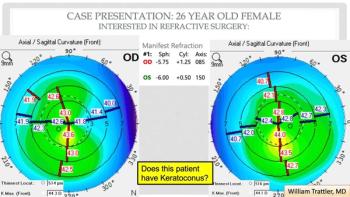
A team of investigators has found that the eye disease is more prevalent than first thought.
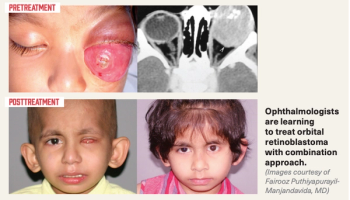
Investigators observe survival rate with orbital retinoblastoma improves substantially due to a combination approach that includes intensive sequential treatment comprised of chemotherapy, enucleation, and external beam radiation therapy.