



Dry Eye
Latest News
Advertisement
Video Series


CME Content








Advertisement

Jeffrey Gemi, MD, Ora Inc., speaks on the highlights from his presentation comparing Schirmer's test with other clinical outcomes in dry eye.

The impact of autoimmune and systemic diseases as well as environmental triggers on the development of dry eye disease.
A panel of ophthalmologists and optometrists begin a discussion on the management of dry eye disease by defining the condition and highlighting common symptoms.
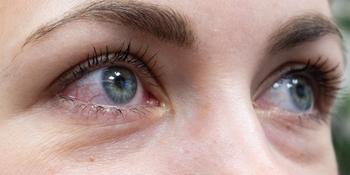
After receiving FDA approval for its IPL device, Lumenis Ltd. announced that it is launching OptiLight, a bright solution for dry eyes.
ThermaMEDx has unveiled a self-heating, pre-moistened, disposable, sterile cleaning eye-pad for use in treating the symptoms of dry eyes and meibomian gland dysfunction.
Bausch + Lomb and Novaliq GmbH have announced statistically significant topline data from the first phase 3 trial analyzing the investigational drug NOV03 as a first-in-class eye drop to treat dry eye disease associated with MGD.
Product offers improvement in objective dry eye disease measures, providing relief.

Phase 2 trial of 0.3% minocycline microparticle suspension shows promise in dry eye diseases associated with Inflamed meibomian gland dysfunction

Cynthia Matossian, MD, FACS, ABES, explores the tie between mask wear and dry eye, causes behind a growing number of MGD cases, and offers mask safety tips for patient treatment.
RegeneRx Biopharmaceuticals announces that its ARISE-3 Phase 3 clinical trial evaluating RGN-259 eyedrops did not meet its primary outcome measures.

Peter J. Polack, MD, FACS, of Ocala Eye, discusses how proper patient education and nutrition have been key to managing an increase in dry eye patients during the pandemic.
The FDA has accepted Oyster Point Pharma's New Drug Application (NDA) for its OC-01 (varenicline) nasal spray to treat dry eye disease.

Autologous serum eye drops and blood products offer hope to patients.
With funding from the National Eye Institute, the team of researchers will focus on developing a broad-spectrum immunomodulatory eye drop for patients dealing with dry eye and ocular surface disease stemming from inflammatory and immune system disorders.

Growing patient pool is driving clinical trial investment.

Ocular symptoms in COVID-19 patients may be more common than previously thought — with sore eyes a significant sign of disease.
Sunita Radhakrishnan, MD, in a presentation at the 25th annual Glaucoma Symposium at the Glaucoma 360 virtual annual event, noted that concomitant treatment of both glaucoma and dry eye is key.

Cynthia Matossian, MD, FACS, ABES, continues her discussion on MGD treatment by explaining why it's important for patients to understand that MGD and dry eye are lifelong, chronic conditions requiring regular maintenance and monitoring.
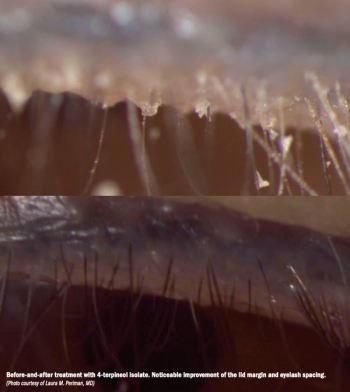
New options open possibilities for treatment, resulting in better outcomes for patients.
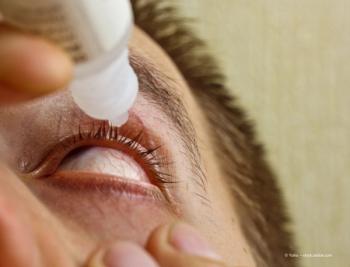
Study supports preoperative ocular surface optimization with artificial tears.

A novel ocular corticosteroid is offering hope of quick results for patients.

In light of an unprecedented year filled with technological advancements and pivots, Joshua Mali, MD, offers his top 5 predictions in ophthalmology for 2021.

Preeya Gupta, MD, discusses the results of a study evaluating the safety and efficacy of KPI-121 0.25% for the treatment of dry eye disease.

Advertisement
Advertisement