







The company will add programs in diabetic macular edema and myopia as it completes pre-clinical studies.
The company will add programs in diabetic macular edema and myopia as it completes pre-clinical studies.

In this preliminary study, researchers found that renal function might affect the response to IVBI treatment in patients with DME.

Company officials point out that RZ402 is an oral therapy being developed as a potential alternative to invasive and suboptimal injections into the eye.

The IDMC recommended continuation of the study based upon the outcome of the futility analysis.
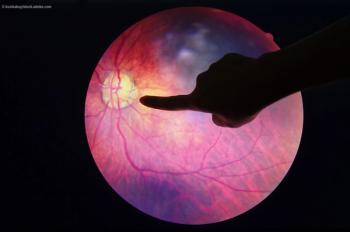
Despite the latest advances in anti-VEGF therapy, a small group of patients do not achieve improved vision. Ophthalmologists are looking for options.
Diabetes can damage the eyes over time and cause vision loss, even blindness. Delaying the disease can also delay any onset of vision problems, including diabetic retinopathy and diabetic macular edema.

According to UC Davis researchers, more needs to be done for the field to reflect ethnic and racial diversity across the country.
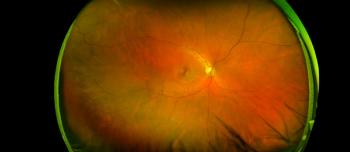
Mediwhale, an AI diagnostics company, aims for FDA approvals to increase non-invasive, early detection to save lives. Reti-Intelligence uses a simple fundus camera to capture images of the eye, and then within one minute the AI algorithm provides the disease risk assessment.
This December, the Ophthalmology Times® EyeCon 2022 at the JW Marriott Marco Island Beach Resort in Florida will provide attendees with an end-of-year opportunity to meet their continuing medical education requirements. This activity has been approved for 12.50 AMA PRA Category 1 Credits™.
Jay S. Duker, MD, chief operating officer of EyePoint Pharmaceuticals, highlights the Phase 1 and Phase 2 DAVIO clinical trials for EYP-1901 in wet age-related macular degeneration. The company also announced the first patient has been dosed in the Phase 2 PAVIA trial of EYP-1901 for nonproliferative diabetic retinopathy.

Nicole Bajic, MD, and Neel S. Vaidya, MD, MPH, share their insights from when they were at this crossroads. Learn more clinical pearls on topics like this and more at Real World Ophthalmology’s virtual conference, “Top 10 Things I Wish I Knew Sooner,” this Saturday, November 5.

The study is one of the first clinical trials to validate the clinical utility of real-world remote physiologic monitoring using an on-demand vision-as-a-service extension to the specialty retina clinic to enable remote monitoring of patients with chronic diseases such as AMD, diabetic retinopathy, and other retinal conditions.
Lawrence Whittle, Chief Commercial Officer for Verana Health, explains what the significance of imaging data linked with electronic health record data means for patient outcomes.

Replay is launching Eudora, an HSV gene therapy company that will target genetic retinal diseases.

Prevent Blindness offers videos, fact sheets, social media graphics and PowerPoint presentations to help ophthalmologists educate the public on the potential effects diabetes may have on vision.
Scott Walter, MD, an investigator in the TENAYA and LUCERNE trials discusses the year 2 data for the treat-and-extend regimen of faricimab for the treatment of nAMD and DME.

The EyeBuddy app will bring telehealth to eye doctors in the coming months, connecting patients across Bangladesh with ophthalmologists at a major eye-care hospital.
Marc Berger, Chief Operating Officer at Verana Health, highlights what a new initiative with the American Academy of Ophthalmology IRIS Registry will mean for patients and physicians.
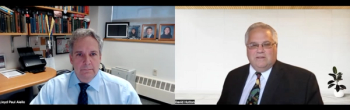
Lloyd Paul Aiello, MD, moderated a panel at the American Academy of Ophthalmology’s 2022 annual meeting in Chicago that focused on diabetic retinopathy. He shares some of the highlights of this session.
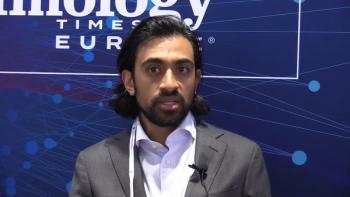
Murtaza Adam, MD, a vitreoretinal specialist with Colorado Retina Associates, shares a few principles he has found helpful when engaging with industry or trying to execute on your own innovation.
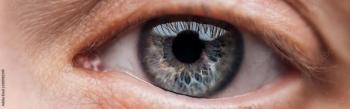
Data from the Phase 4 observational real-world safety study of the intravitreal implant were presented at the annual American Academy of Ophthalmology’s 2022 annual conference in Chicago.
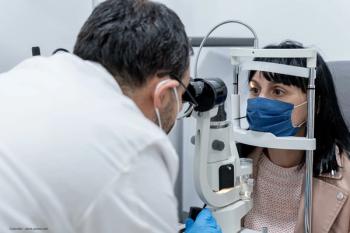
DME showed small significant improvement in study cohort.

The data analysis indicated that patients achieved robust visual gains and central subfield thickness reductions with faricimab dosed every 8 weeks and with PTI dosing up to every 16 weeks. The gains were sustained through year 2 of the trials.
Roger A. Goldberg, MD, MBA, discusses his 2022 AAO poster: "T&E-Based Personalized Treatment Interval Dynamics in the YOSEMITE/RHINE Trials of Faricimab in DME."

Faricimab simultaneously targets and inhibits two disease pathways involving Ang-2 and VEGF-A linked to a number of vision-threatening retinal conditions.