

Investigators find that nanoparticles deliver gene therapy successfully in mice, rats.

Investigators find that nanoparticles deliver gene therapy successfully in mice, rats.

Investigators find that nanoparticles deliver gene therapy successfully in mice, rats.
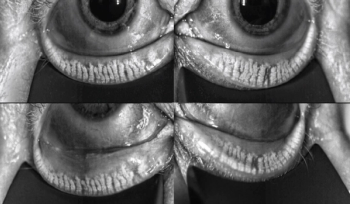
It's not always easy to convince early-stage, minimally symptomatic or symptomatic patients that their MGD should be treated. Cynthia Matossian, MD, FACS, explains why ophthalmologists shouldn't take this personally and how not to accept their denial as a final answer.
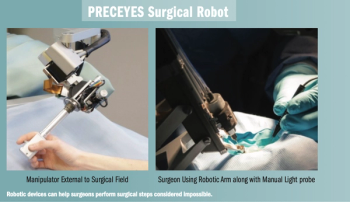
Robotic-assisted procedures are proving more precise in every way when compared with manual procedures: automated assistance controls tremor, reduces fatigue, and helps avoid inadvertent injury.

The American Medical Association is expressing its support for provisions in proposed Continuing Resolution legislation in Congress that could offer relief to financially strapped physician practices.
In this fourth installment on "2020 vision," pharmaceutical representatives share their outlook on what lies ahead for glaucoma innovations within the ophthalmic space.

Glaucoma Research Foundation (GRF) Ambassadors webinar provides platform for idea-sharing by ophthalmologists

Evidence-based medicine can lead to personalized care, better results for patients
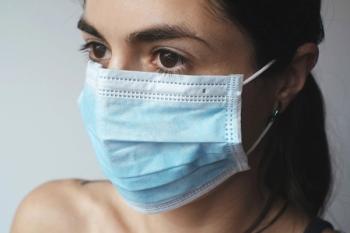
Investigators from Tel Aviv, Israel, cautioned this week that patients who wear face masks during the administration of intravitreal injections could be at a higher risk for the development of endophthalmitis.
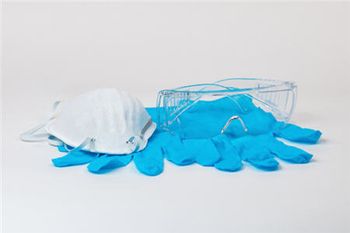
In an effort to help ophthalmologists bring patients back to the office, a global ophthalmic medical device manufacturer has unveiled a line of patient personal protection equipment packs.
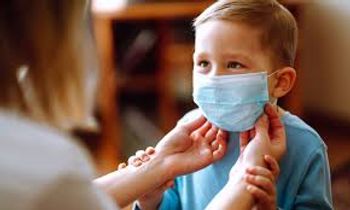
Gastrointestinal symptoms are common in children infected with SARS-CoV-2 and should trigger tests for the virus, according to investigators. This research comes after investigators earlier this month released results of a study of COVID-19 ocular manifestations in children in China.
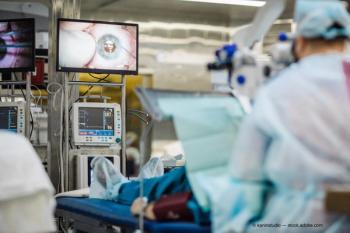
Benefits of intracameral phenylephrine/ketorolac continue to add up.

One ophthalmic practice's staff has found that, despite the challenges faced healthcare professionals are facing amid the coronavirus pandemic, a few proverbial “silver lining” practice adaptations will endure long after the crisis is over.
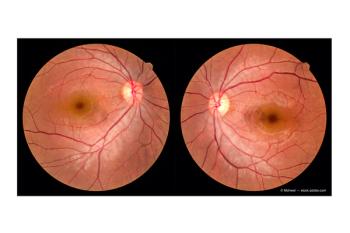
Study designed to identify patterns in abnormalities and differences characteristic of disease.

Physicians struggling under the strains of the pandemic often think they cannot seek professional counseling, as burnout is at an all-time high and more than 50% of ophthalmologists saw their incomes drop by more than 50%.

Monofocal toric lens delivers effective astigmatic correction and more, study results show

Humoral immunity against SARS-CoV-2 may not last long in individuals who had mild infections, and the loss of antibodies may actually be quicker than reported previously for the virus, according to investigators from the David Geffen School of Medicine, University of California, Los Angeles.

Changes after DMEK, UT-DSAEK may be factors in reduced total corneal refractive power
Ocular comorbidities diminish BCVA results
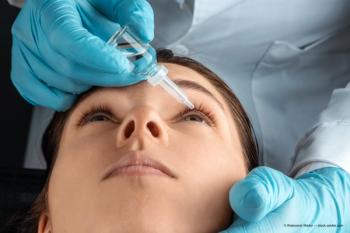
Amid a surge in dry eye cases since reopening her practice during the ongoing pandemic, Lisa Nijm, MD, JD, shares how cyclosporine, a well-established form of treatment, poses both challenges and advantages for ophthalmologists.

According to an analysis of Medicaid enrollment data during the coronavirus disease 2019 (COVID-19) pandemic, there has been an increase in enrollment during the crisis. This shift is likely to have a ripple effect throughout the healthcare landscape, including ophthalmology.
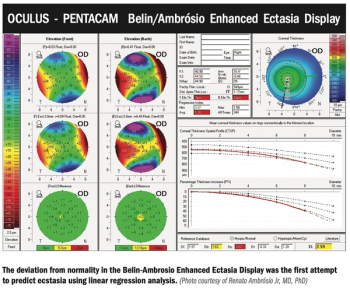
Relational thickness altered tool details LASIK impact on the cornea.
Study results give ophthalmologists a plan for treating patients with good vision.
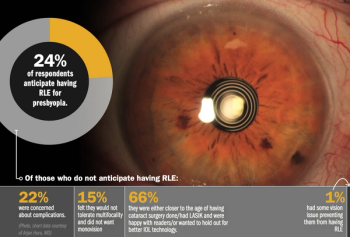
RLE, in unexpected twist, is gaining support among surgeons

A survey by the American Association of Pediatric Ophthalmology and Strabismus found that the COVID-19 pandemic could leave some pediatric ophthalmology practices highly strained, possibly beyond repair.
Nanodrop technology improves lens comfort
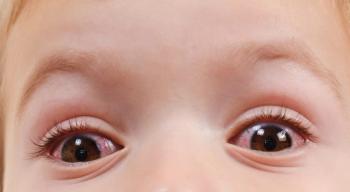
A new study out of Wuhan, China where the novel coronavirus was first detected in late 2019 found that some children hospitalized with COVID-19 presented with series of onset symptoms that included conjunctival discharge, eye rubbing, and conjunctival congestion.

Divya Srikumaran, MD, assistant professor of Ophthalmology at the Wilmer Eye Institute (Johns Hopkins University), discusses the results of a study published in the American Journalism of Ophthalmology regarding the growth and shift of the physician assistant profession into specialty care as well as the more valuable role PAs are taking in providing healthcare.