




Retina
Latest News

Endogena Therapeutics receives FDA fast track designation for retinitis pigmentosa treatment
By David Hutton
Advertisement
Video Series

CME Content














Advertisement
Carolyn Majcher, OD, FAAO, describes challenges primary eye care providers can experience when diagnosing diabetic retinopathy and diabetic macular edema (DR/DME).
Diabetic retinal disease experts discuss the standard diagnostic imaging tools that are available to detect diabetic retinopathy and diabetic macular edema (DR/DME).
The most promising recent interventional trials for investigational therapies in dry age-related macular degeneration are highlighted by the authors.
According to the company, the approval allows Eyenuk’s EyeArt AI eye screening system, already approved for detection of diabetic retinopathy, to aid millions of additional patients at risk for vision loss.

Specialists seek more information for use in the treatment of patients diagnosed with retinal diseases

HG004 aims to be more effective than other AAV2 products in treatment of inherited retinal diseases caused by mutations in the RPE65 gene.

The workshop is designed to bring together leading experts from academia and industry, to discuss openly, and in detail, what is known about PRPH2 disease pathology, disease models, clinical characteristics, and therapeutic approaches.

Patients diagnosed with diabetic retinopathy may be particularly vulnerable to periods of low glucose, and keeping glucose levels stable should be an important part of glucose control.
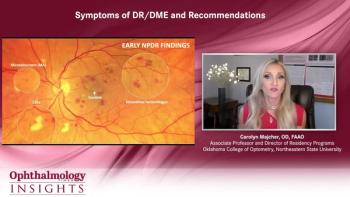
Carolyn Majcher, OD, FAAO, provides an overview of the symptoms of diabetic retinopathy and diabetic macular edema (DR/DME) and recommendations for dilated eye exams for patients with type 1 and type 2 diabetes.
Carolyn Majcher, OD, FAAO, and Rishi Singh, MD, discuss the current prevalence and future projections of diabetic retinopathy and diabetic macular edema (DR/DME) as well as the impact of early diagnosis and treatment for patients with diabetic retinal diseases.

Let us know how familiar are you on the approval process for biosimilar drugs compared with new drug applications to the FDA. The poll will be open until February 28, 2023.
According to the company, it is planning to hold an end-of-phase 2 meeting with the FDA to discuss the results.
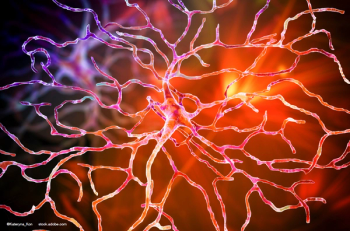
The delivery of lipid nanoparticle-based mRNA to the retina is encouraging, according to researchers.
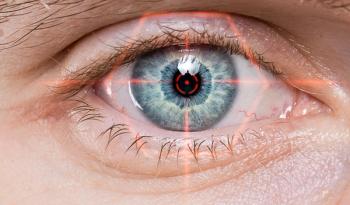
A team of researchers have found that STOC tomography enables unprecedented views of eye structure.

A team of researchers have found that STOC tomography enables unprecedented views of eye structure.

Researchers used obesity as a model to accelerate and exaggerate the stressors experienced by the body throughout life.

The study advances the understanding of the leading cause of visual impairment in adults.

Researchers developed nanoparticles able to penetrate the neural retina and deliver mRNA to the photoreceptor cells whose proper function makes vision possible.
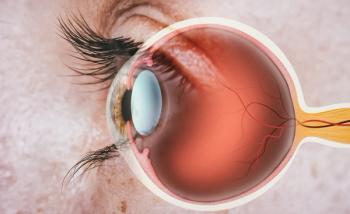
Investigators found that all patients had similar single surgery success rates but that minority patients had significantly worse vision outcomes and were more likely to have multiple retinal breaks.

As a therapy for vision impairment resulting from inherited retinal degeneration, or IRD, the mRNA would instruct photoreceptor cells – faulty because of a genetic mutation – to manufacture the proteins needed for sight.

In a conversation with David Hutton of Ophthalmology Times®, Ferhina S. Ali, MD, MPH, discussed the real world use of faricimab in the IRIS Registry during a presentation this week at Hawaiian Eye in Kauai Hawaii, focusing on the use of faricimab for the treatment of neovascular AMD and diabetic macular edema.
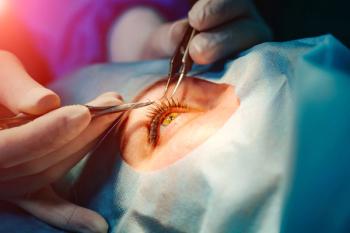
Researchers discovered that all patients had similar single surgery success rates but that minority patients had significantly worse vision outcomes and were more likely to have multiple retinal breaks.

Three recipients will each receive up to $10,000 toward their research on a 1-year project that can go toward additional training in specialty equipment or research methodologies.
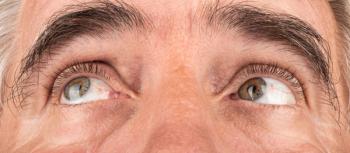
According to researchers, factors that were associated with all type of visual impairment included older age, lower education level, and lower income were associated with all types of visual impairment.
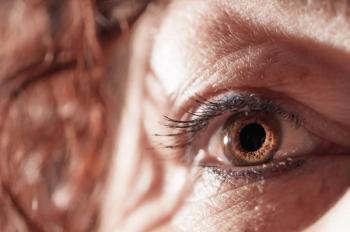
Diabetic retinopathy is the leading cause of blindness in American adults, and a team of researchers believes the source of this damage may lie in the belly — mainly a leaky small intestine. A novel treatment can possibly prevent or reverse this damage.
Advertisement
Advertisement
Trending on Eye Care Network - Ophthalmology Times
1
AAO 2026: Optogenetic gene therapy heads to phase 2 trial in geographic atrophy
2
AAO 2026: BRUNELLO 1-year results for remigromig in DME
3
AAO 2026: MCO-010 sustains vision gains in RP through 4 years
4
Real-world VOYAGER data on faricimab in nAMD, DME, RVO at EURETINA 2026
5