




Retina
Latest News
Advertisement
Video Series




CME Content











Advertisement

The new data builds upon previously reported 6- and 12-month positive results from adult patients treated in the same study.

A study found that children with early-onset atopic dermatitis have a higher risk of developing uveitis and should be closely monitored for its onset.
In celebration of Ophthalmology Times' 50th anniversary, we asked leading experts in the field what they see as the biggest innovation in ophthalmology in the past 5 decades.

Researchers from the Czech Republic found that an AI system showed higher sensitivity and specificity for screening diabetic retinopathy compared to telemedicine evaluations.

Fundus images of diabetic retinopathy were assessed by general ophthalmologists, retina specialists and the Aireen artificial intelligence system
In celebration of Ophthalmology Times 50th anniversary, we asked leading experts in the field what they see as the biggest innovation in ophthalmology in the last 5 decades.

Tertiary syphilis, which can develop years to decades after the initial infection, is characterized by chronic inflammatory damage affecting multiple organ systems.

Treatment regimens with long-duration therapies continue to be a conversation starter among retina specialists
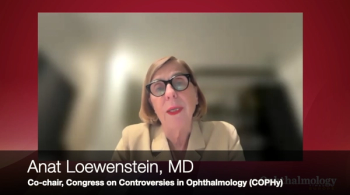
The Congress on Controversies in Ophthalmology highlights debates, but also discussions

Retina topics serve as the backbone of the scientific programme at this year’s Congress on Controversies in Ophthalmology

Regulatory agencies issued approvals for new treatments and expanded uses of existing therapies in the retina space

Both trials failed to meet their primary endpoints for treatment of age-related macular degeneration
In celebration of Ophthalmology Times 50th anniversary, we asked leading experts in the field what they see as the biggest innovation in ophthalmology in the last 5 decades.
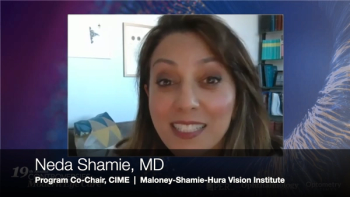
The May 4 event, themed around Star Wars, will feature the latest innovations, foster open discussions, and provide a collaborative environment for networking and learning, with sessions covering IOLs, oculoplastics, glaucoma, retina therapy, and refractive surgical options.
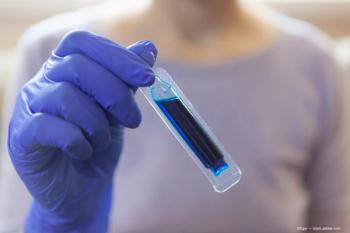
The approval makes ILM-Blue the first DORC posterior dye product available in China, according to a press release from Zeiss.

This year, the COPHy meeting moves beyond retina, addressing uveitis, neuro-ophthalmology and glaucoma in Seville, Spain

Researchers assessed the costs to patients and caregivers in Germany, Bulgaria and the US
In celebration of Ophthalmology Times 50th anniversary, we asked leading experts in the field what they see as the biggest innovation in ophthalmology in the last 5 decades.

The approval makes ILM-Blue the first DORC posterior dye product available in China, according to a press release from Zeiss

The authors examined vascular and neural structures in the eye, assessing the foveal avascular zone and choroidal thickness

The synthetic opsin was packaged into an optimised AAV2 gene therapy vector that targets human retinal bipolar cells.

Administered via intravitreal injection, Synthopsin-MCO-010 possesses a promoter to specifically target ON-bipolar cells.

The partnership will use ocular imaging to build an AI foundation model and identify new genetic targets for degenerative diseases

The partnership will use ocular imaging to build an AI foundation model and identify new genetic targets for degenerative diseases

The Combination OPT-302 with Aflibercept Study (COAST) evaluated sozinibercept 2 mg in combination with aflibercept 2 mg for wet age-related macular degeneration
Advertisement
Advertisement