


Retina
Latest News

Advertisement
Video Series



CME Content










Advertisement

Optical coherence tomography markers—like the ellipsoid zone—are reshaping clinical trials in intermediate age-related macular degeneration, as highlighted at the 2025 International SPECTRALIS Symposium — And Beyond (ISS).
Advanced monitoring strategies are overcoming significant obstacles in retinal care, as highlighted at the 2025 International SPECTRALIS Symposium — And Beyond (ISS).

The LYNX LIO is the latest generation of pattern scanning lasers that were first introduced in 2006.

Fluorescence lifetime imaging ophthalmoscopy is emerging as a valuable tool to reveal previously hidden links between retinal changes and systemic disease.

The phase 2/3 clinical trial for OCU410ST will enroll 51 participants diagnosed with Stargardt disease.
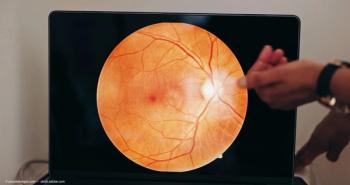
A study reveals significant retinal vessel changes in diabetic retinopathy, highlighting the need for early detection methods to prevent vision loss.

The LYNX LIO is the latest generation of pattern scanning lasers that were first introduced in 2006.

Prof Baljean Dhillon advocated for remote practices and provided advice for implementation at the International SPECTRALIS Symposium
Anat Loewenstein, MD, presented real-world results of remote imaging at the International SPECTRALIS Symposium

Dinah Zur, MD, shares insights from her International SPECTRALIS Symposium lecture
Advanced autofluorescence reveals cellular pigment reservoirs with therapeutic potential at the Heidelberg 2025 International SPECTRALIS Symposium – And Beyond (ISS).
Dr Brunstetter, a US Navy Aerospace Optometrist at the NASA Johnson Space Center in Houston, Texas, delivered the lecture at this year's ISS alongside his colleague Warren Hoburg

Robyn Guymer, AM, MBBS, PhD, FRANZCO, FAHMS, presented two studies involving the EZ line at this year’s International SPECTRALIS Symposium

Ophthalmologists may be “at the forefront of a revolution in healthcare,” the nephrology professor said at this year’s International SPECTRALIS Symposium

The new technology will be crucial to imaging retinal function in the future, Prof Hüttmann predicted at the International SPECTRALIS Symposium

This noninvasive imaging tool reveals early brain pathology through the eye, promising faster and more accurate diagnoses as highlighted at the Heidelberg 2025 International SPECTRALIS Symposium – And Beyond (ISS).
Findings presented at the Heidelberg 2025 International SPECTRALIS Symposium — And Beyond (ISS) suggest detailed structural data could better inform therapeutic targeting and monitoring.
Improved axial resolution allows clearer visualization of early atrophic changes, including iRORA vs cRORA differentiation, as shared at the Heidelberg 2025 International SPECTRALIS Symposium – And Beyond (ISS).
From basal laminar deposits to foveal centering, a new framework refines what clinicians see—and what they treat—in outer retinal disease, as presented at the Heidelberg 2025 International SPECTRALIS Symposium – And Beyond (ISS).

Prof Hogg presented a wide breadth of research at the International SPECTRALIS Symposium


With 35+ lectures, a NASA keynote, and a river cruise through historic Heidelberg, this year’s symposium blends science and scenery

The TEASE-1 trial reveals gildeuretinol's potential to reduce vision loss in Stargardt disease, offering hope for future treatments.

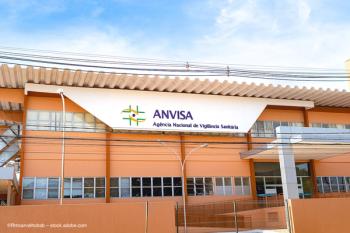
Brazilian ANVISA has granted marketing authorisation for FYB201 (Ranivisio), a biosimilar to Lucentis.
Advertisement
Advertisement