





Retina
Latest News
Advertisement
Video Series



CME Content







Advertisement

AAVB-039 is the company’s gene therapy program for Stargardt disease secondary to biallelic mutation in ABCA4.

Ocular salvage and preservation of vision are essentially dependent on early diagnosis, and several studies have been conducted to identify the factors leading to delayed diagnosis at presentation.

An ophthalmologic examination revealed bilateral anterior uveitis, though the patient had no ocular complaints at presentation
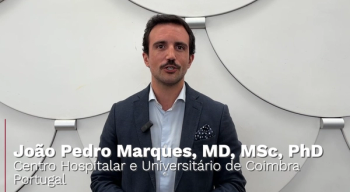
João Pedro Marques, MD, MSc, PhD discusses a retrospective study of 800 patients with inherited retinal diseases


In a press release, the National Institute for Health and Care Excellence announced the first-ever approval for a mitochondrial disease treatment.
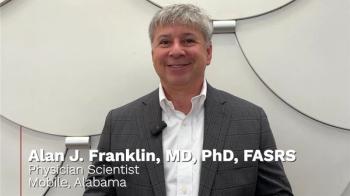
Franklin shares how methotrexate significantly reduces reoperation rates in diabetic patients with retinal detachments, enhancing postoperative outcomes and vision.


In a press release, the National Institute for Health and Care Excellence announced the first-ever approval for a mitochondrial disease treatment
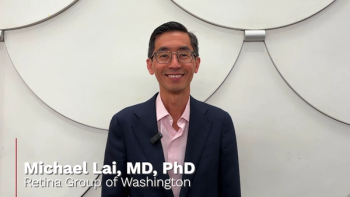
Survey reveals severe impact of Good Days underfunding on retina practices, with many patients experiencing vision loss due to delayed access to care.
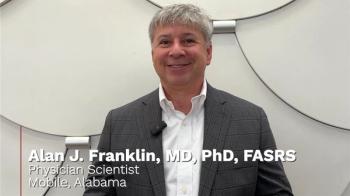

GLP-1 therapies could impact long-term outcomes in diabetic retinopathy

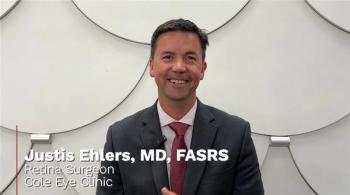
Q&A: PER-001 showed improved structure and visual function in patients with diabetic retinopathy
Published: | Updated:
An intravitreal implant shows promise in enhancing visual function and retinal structure in diabetic retinopathy patients, according to recent research.
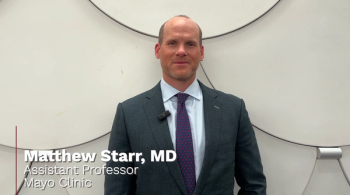
Matthew Starr, MD, discusses techniques for correcting astigmatism in patients lacking capsular support, enhancing visual outcomes surgery.

Enhanced screenings and a unified registry could save vision and lives

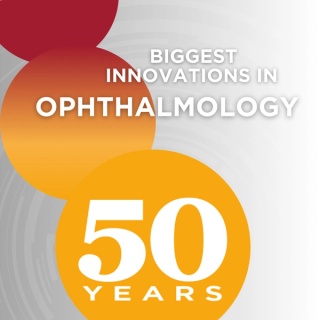
Ophthalmology celebrates 50 years of groundbreaking innovations, highlighting anti-VEGF therapies, OCT imaging, and future advancements in eye care.

4D-150 is an investigational agent designed to provide multi-year sustained delivery of anti-VEGF (aflibercept and anti-VEGF-C) from the retina with a single, safe, intravitreal injection.
Steven D. Ness, MD, discusses his research on vitamin D's role in reducing complications after retinal surgery at ASRS 2025.
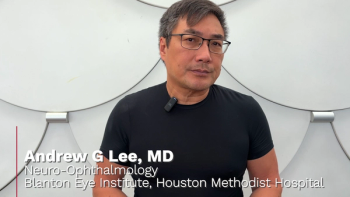
At ASRS 2025, Andrew G Lee, MD, gave key insight into the world of a neuro-ophthalmologist and why and when a retina specialist should consult a neuro-ophthalmologist

Christina Weng, MD, MBA, FASRS, explores the viability of postoperative day 0 exams as a substitute for day 1 after vitreoretinal surgery, revealing promising findings.

Optomed Lumo launches a versatile handheld fundus camera, enhancing retinal imaging accessibility in diverse healthcare settings across the US.

The Global RDH12 Alliance unites inherited retinal disease advocacy groups including UK-based Eyes on the Future and the US-based RDH12 Fund for Sight
Advertisement
Advertisement