




Retina
Latest News
Advertisement
Video Series
CME Content







Advertisement
Integrating IRIS technologies will allow Topcon to improve retinal disease diagnostics and referrals from primary care providers.
The DRD Cure Accelerator, highlighted at the CCOI-Stanford Summit, is a global initiative advancing clinical research and collaborations to eliminate vision loss from diabetic retinal disease.



Exonate initiates a phase 2b trial for EXN407, a groundbreaking eye drop treatment for diabetic retinopathy
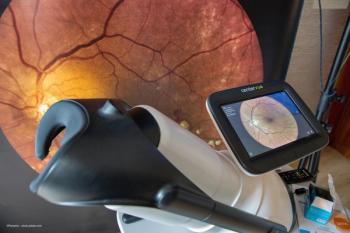
Optical coherence tomography may help identify patients at risk of cardiovascular disease before coronary angiography

According to the company, the EMA’s opinion was based on the “totality of evidence comprising a comprehensive analytical, non-clinical and clinical data package”
To mark Ophthalmology Times' 50th anniversary, we invited top experts to reflect on the most significant innovations in ophthalmology over the past five decades.

Findings from a phase 2 clinical trial support the therapeutic potential of ADX-2191 in patients with retinitis pigmentosa
To mark Ophthalmology Times' 50th anniversary, we invited top experts to reflect on the most significant innovations in ophthalmology over the past five decades.

Rhino-orbital-cerebral mucormycosis, a life-threatening fungal infection, typically occurs in patients with diabetes
The platform, developed by University College London and Heidelberg Engineering, demonstrated accuracy and precision in early tests.

Findings from a phase 2 clinical trial support the therapeutic potential of ADX-2191 in patients with retinitis pigmentosa

KIO-104 is for the treatment of a wide range of ocular diseases, including ocular inflammation, uveitis, age-related macular degeneration (AMD), and complications as a result of refractive surgery.
To mark Ophthalmology Times' 50th anniversary, we invited top experts to reflect on the most significant innovations in ophthalmology over the past five decades.

OpenAI's ChatGPT-4o enhances ophthalmological image generation, producing realistic retinal photographs while highlighting the need for further research in training datasets.

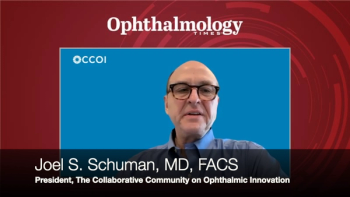
President Joel S. Schuman, MD, highlights the group’s mission and vision for the future—uniting 17 working groups and over 80 stakeholders.
To mark Ophthalmology Times' 50th anniversary, we invited top experts to reflect on the most significant innovations in ophthalmology over the past five decades.
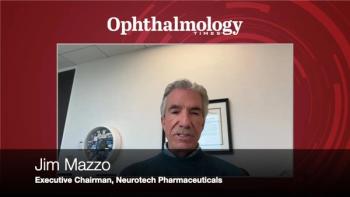
Jim Mazzo is among the presenters who will highlight the need to break silos and accelerate eye health solutions at the Collaborative Community on Ophthalmic Innovation (CCOI) meeting at Stanford University on July 23, 2025.

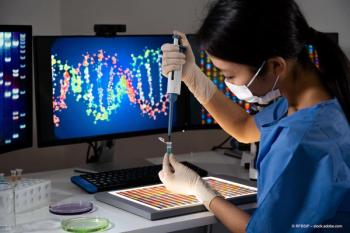
AAVB-039 advances gene therapy for Stargardt disease, aiming for innovative treatments for inherited retinal disorders.

Researchers at the Korea Advanced Institute of Science and Technology demonstrated the next-generation strategy for sustainable synthesis

MCO-010 is a gene-agnostic therapy for retinitis pigmentosa.
Advertisement
Advertisement