













A new report has found that glaucoma specialists’ procedure of choice has changed as a result of the COVID-19 pandemic.

A new report has found that glaucoma specialists’ procedure of choice has changed as a result of the COVID-19 pandemic.
Although minimally invasive procedure gives hope, additional research is required.
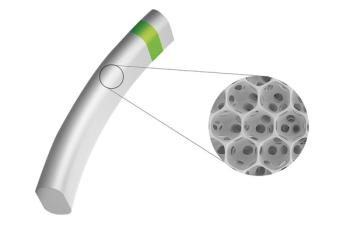
According to iSTAR Medical, the STAR-V study will investigate the device in 350 patients with primary open angle glaucoma.

New strategies are needed to rethink how we treat glaucoma to do more than just manage eye pressure—to actually restore vision by promoting the survival of retinal ganglion cells and their axons.

There’s no shortage of diet programs—Paleo, Mediterranean, intermittent fasting—all claiming to be the best option for a healthy life. Research has shown that poor lifestyle choices, including unhealthy diets, contribute to many diseases and that simply adhering to good nutrition can even prevent some health issues.
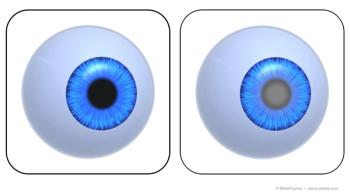
Pressure-dependent optic nerve disease, retinal disease.

Two trials examine factors affecting the risk of disease.

MIGS drainage device offers hope for challenging cases.

Exploring subtleties helps ophthalmologists understand postop surprises, drug reactions.

Knowledge of tools used in data interpretation helps clinicians trust accuracy of findings.

Measurements from multiple studies show benefits of rho-kinase inhibition.
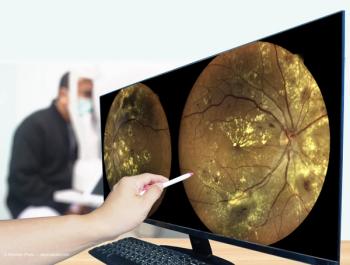
Increased access is key to preventing disease progression in patients.
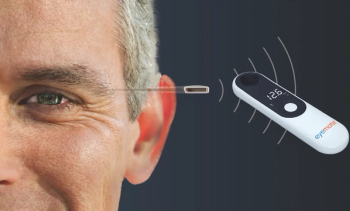
Implandata received FDA Breakthrough Device Designation for its Eyemate-SC in April and now has CE Mark approval in the European Union.
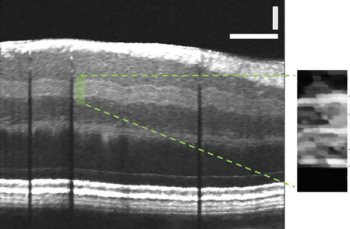
Visible-light optical coherence tomography proves valuable in studies.

Details enhance knowledge of biological pathways that contribute to disease pathogenesis.

Physicians are left to determine which treatments can offer patients best outcomes.
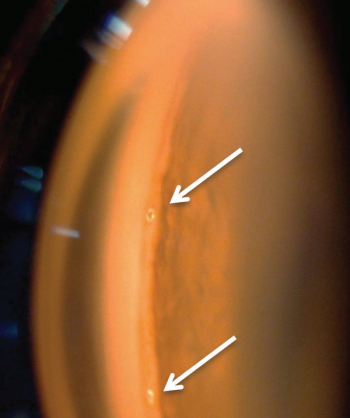
Retrospective review highlights the sustained efficacy of combination procedure.

Option could prove to enhance safety for both patients and staff.

According to preliminary results, intranasally delivered ST266 is a safe treatment option.

Use of such procedures increased markedly in analysis of IRIS Registry Data.
Oluwatosin U. Smith, MD, Glaucoma Associates of Texas, offers an update on optimization and surgical modifications of newer glaucoma surgeries in preop and postop settings.

Virtual reality, home visual field testing offer new options for physicians.
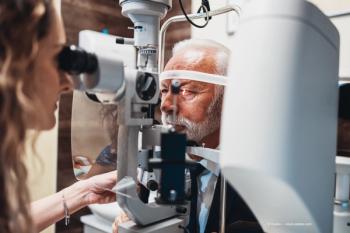
Investigators determine that patient rates of adherence with gonioscopy are low.
Ophthalmologists and industry KOLs share what lingers on their minds at the end of the day.