



Dry Eye
Latest News
Advertisement
Video Series

CME Content








Advertisement
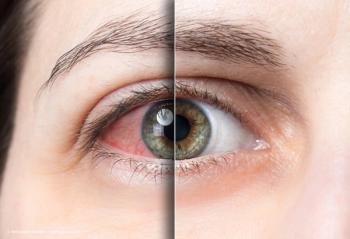
Ophthalmologists report dry eye’s mixed mechanisms, symptom-driven diagnosis, uneven treatment response, and payer hurdles—what needs fixing next.

Interventional therapies give patients faster relief and better vision outcomes
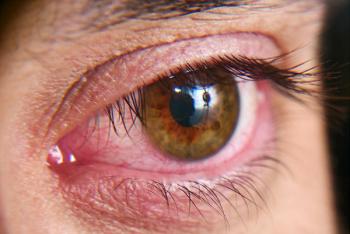
Dry eye care shifts to spectrum-based screening and targeted therapies, from TRPM8 agonists to evaporation shields, with upcoming anti-inflammatories promising faster relief.

McCabe, MD, presented alongside P. Dee Stephenson, MD, FACS, for the product theater titled "Know Your Dry Eye: Navigating the Challenges of Real-World Dry Eye Cases."

New research compares 7 HA dry eye drops; Ivizia and Thealoz Duo most closely match natural tear viscosity during blinking.

According to the company, this meeting helped to provide a “clear path forward” for CBT-004 in its projected phase 3 study

Optometrists track 2026 breakthroughs in dry eye therapies, AI-powered screening and referrals, and genetics-driven glaucoma risk tools that reshape patient care.

Key clinical trial data and PDUFA dates in early 2026 focus on treatments for dry eye, AMD, and rare eye diseases.
An in-depth look at the FDA approvals and clinical milestones that defined 2025 and how they are poised to influence practice patterns moving into 2026.
An overview of the top 10 stories from Optometry Times in 2025.

Panel examines drug mechanisms, patient factors, and strategies to optimize results.

Aldeyra met with the FDA on December 12, 2025, in which the FDA requested the company submit the CSR from the reproxalap dry eye disease field trial to the NDA.

The company plans to submit its NDA package in the second half of 2026.

The grading scales were compiled with the goals of achieving conciseness and the ability to provide clear drug-dose-modification recommendations compared with the previous ocular CTCAE scale.

Of the 1000 patients with dry eye symptoms surveyed, 80% stated that “they would try a science-backed eye drop that mimics natural tears and restores tear-film balance."

Cyclosporine ophthalmic emulsion 0.05% is a topical immunomodulator to increase tear production in patients whose tear production is thought to be reduced due to ocular inflammation associated with dry eye syndrome.

HUC1-394 is a peptide-based eye drop for dry eyes being developed by the company.
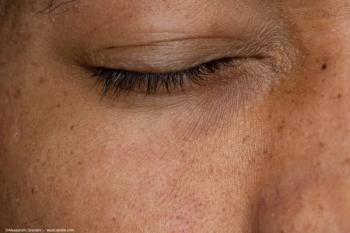
Researchers analyze the DREAM study, revealing lid margin collarettes in dry eye patients and their surprising lack of progression over time.

Ophthalmologists weigh in on evolving diagnostic tools, emerging therapies, and practical approaches for managing today’s most challenging ocular-surface cases.
Host Deborah Ristvedt, DO, is joined by Marguerite B. McDonald, MD, FACS, to discuss her journey with pioneering contributions to ophthalmology, patient-centered care, leadership, and guidance for the next generation.

A study reveals diverse ocular symptoms in Sjögren’s disease, linking eye features to oral and pain manifestations for personalized treatment strategies.

Lupin notes that the acquisition will help to strengthen the company by “integrating VISUfarma’s established commercial operations.”

This marks the first time that the TearCare System has been included in the TFOS DEWS III Management and Therapy Report.
Advertisement
Advertisement