
















Investigators theorize that the ophthalmic nerve may be affected by the COVID-19 virus, and therefore may affect the corneal esthesiometry values.

A team of investigators from Pohang University of Science and Technology has found that conjunctival goblet cell examination is important for the precise diagnosis and effective treatment of ocular surface diseases; however, CGC examination has not been possible until now due to lack of non-invasive devices.
Investigators theorize that the ophthalmic nerve may be affected by the COVID-19 virus, and therefore may affect the corneal esthesiometry values.

Investigators theorize that the ophthalmic nerve may be affected by the COVID-19 virus, and therefore may affect the corneal esthesiometry values.

According to the company, VVN001 demonstrated clinical and statistical superiority over vehicle in reducing total and sub-regional corneal fluorescein staining scores.

Short-term steroid use can alleviate patient discomfort.

While investigators have found a link between dry eye and depression, the exact reasons behind the link are not immediately known.

"Tell Me Your Secrets" is the theme of the virtual April 2 event, which is expected to build on the foundation established during the first program held last fall.
A team of investigators has found that the eye disease is more prevalent than first thought.

Investigators find that oestradiol drops can ease signs and symptoms for 3 months.
Short-term steroid use can alleviate patient discomfort.

While investigators have found a link between dry eye and depression, the exact reasons behind the link are not immediately known.

Glaukos Corp’s iLink therapy for the treatment of keratoconus consists of novel single-use drug formulations that are bio-activated by proprietary systems through the delivery of ultraviolet light to the cornea to induce corneal cross-linking designed to strengthen, stabilise and reshape the cornea.
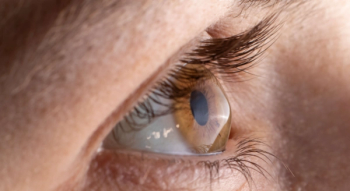
The company’s iLink therapy for the treatment of keratoconus consists of novel single-use drug formulations that are bio-activated by proprietary systems through the delivery of ultraviolet light to the cornea to induce corneal cross-linking designed to strengthen, stabilize and reshape the cornea.

According to Dr Claudia Perez-Straziota, persistent epithelial defects do not have to live up to their name—they can be healed.

Lisa M. Nijm, MD, JD, previews the program for this April 2 virtual event designed to help young ophthalmologists learn everything they need to know when starting practice.

Kathryn A. Colby, MD, PhD, discusses Fuchs’ dystrophy symptoms and treatment options as well as the underlying concept of Descemet stripping only surgery and her role in pioneering this technique.
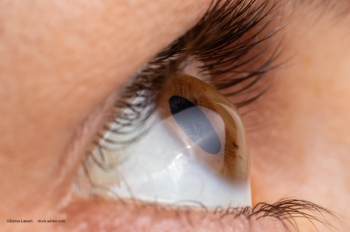
Equally important is that any symptoms of ocular allergies should be addressed to reduce the frequency of eye rubbing.

The company expects to have topline proof of concept data by the end of the first quarter of the year.
Intracanicular insert is the first physician-administered, preservative-free method.
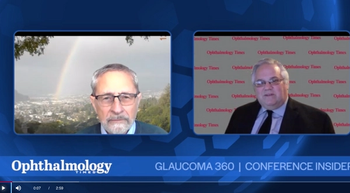
Robert L. Stamper, MD, speaks with Ophthalmology Times®' David Hutton on intraocular pressure measurement, corneal elasticity, and why hysteresis is important for glaucoma management.
According to the company, its C.STIM IPL system is based on intense pulsed light technology for the treatment of dry eye disease.

Presbyopia-correcting drops represent a whole new product category—one with a lot of upsides for clinicians who want to help their patients see well at all distances.
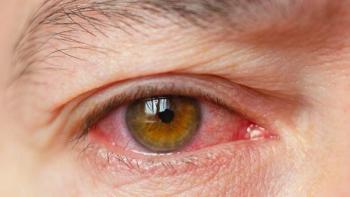
Moore suffered from dry eye disease and Lumenis noted that treatment with OptiLight improved her condition. Now she’s partnering with the company to share her story and empower others.

Corneal aberrations may occur more frequently than is generally appreciated, and they affect the visual outcomes following cataract surgery. Small-aperture optics provide a solution for a large category of patients who are otherwise not well served by complex IOLs.

The FDA has approved the first generic of cyclosporine ophthalmic emulsion (Restasis; Allergan) 0.05% single-use vials of eye drops to increase tear production in patients with dry eye disease.
Dr Preeya Gupta walks through her four pearls for successful corneal collagen cross-linking, including handling patient expectations, managing the epithelial cells and preventing infectious keratitis.