




Clinical Diagnosis
Latest News
Advertisement
Video Series







CME Content













Advertisement

Bedrood describes improved visualization of the ciliary body, efficient setup, and favorable postoperative outcomes.

Telemedicine, mobile clinics, and policy reform offer a road map to equitable care.

Innovations in selective laser trabeculoplasty and laser cyclophotocoagulation focus on procedural efficiency, patient comfort, and evolving first-line treatment strategies.

In the Phase 2 TEASE 2 trial, gildeuretinol was well tolerated and showed promising trends in slowing ellipsoid zone loss and preserving low-luminance visual acuity in patients with Stargardt disease.

The 18-month extension of the GATHER2 trial indicated continued benefit for patients receiving avacincaptad pegol, with efficacy gains increasing over time.
NYU Grossman School of Medicine’s Galen Hu, MD, and Andrea Blitzer, MD, sit down with Eduardo C. Alfonso, MD, of Bascom Palmer Eye Institute, to discuss how ophthalmologists are leveraging social media not just to promote practices, but to educate patients.
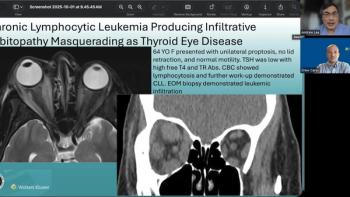
Andrew G. Lee, MD, and Drew Carey, MD, highlight how chronic lymphocytic leukemia can mimic Graves’ orbitopathy, underscoring the importance of a thorough evaluation.
Attendees of the AAO 2025 annual meeting will have a chance to preview the virtual technician training platform on October 19, at 10:30 am in the Academy Theater, Hall WB1, Booth 2761.

FDA clears BVI’s FineVision HP trifocal IOL for the US market
Published: | Updated:
The approval of the third-generation trifocal intraocular lens broadens the range of advanced lens options available for patients in the US.

Emerging pharmacological and optical strategies are shaping a new era.

Singh highlights how understanding the “why” behind diagnostics and procedures boosts technician confidence, fosters pride, and strengthens their role in patient care.
The video-driven platform equips ophthalmic practices with tools to standardize education, improve workflow, and foster technician engagement.

A young surgeon reflects on training, technology, and the human side of adopting new excimer laser platforms.

Subramanian discusses how subtle retinal and optic nerve findings can point to underlying neurologic disease.
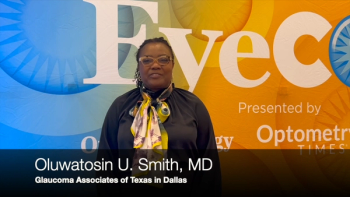
Smith highlights advances in interventional glaucoma, including first-line SLT, emerging surgical options, and co-management strategies, during the Ophthalmology Times and Optometry Times EyeCon 2025 conference.

Residents across ophthalmology, optometry, and retina care were recognized for leadership, research, and dedication to advancing patient care.

Q&A: Robert H. Osher, MD, on how VR is changing the cataract conversation
Published: | Updated:
By letting patients “see” their options before surgery, virtual reality may eliminate confusion, boost confidence, and strengthen surgeon–patient trust.

By combining anatomical fidelity with reproducibility, NRSS offers a novel way to train surgeons, validate clinical trials, and expand access to advanced techniques worldwide.

Mark your calendars: On September 26 and 27, 2025, the Ophthalmology Times and Optometry Times EyeCon 2025 conference will convene at the Margaritaville Hollywood Beach Resort in Hollywood, Florida.

Q&A: Redefining cataract education for patients with virtual reality
Published: | Updated:
Immersive VR simulation helps patients better understand intraocular lens options.
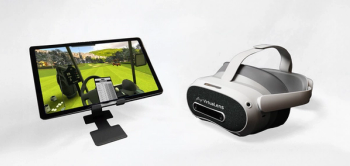
VirtuaLens introduces immersive VR IOL simulation platform; partners with Virtual Vision Health
Published: | Updated:
The virtual reality technology lets patients with cataract experience lens options in real-life scenarios, while a new strategic partnership aims to expand VR adoption.

OpZira’s product portfolio includes AdaptDx Pro and the NOVA Vision Testing System.
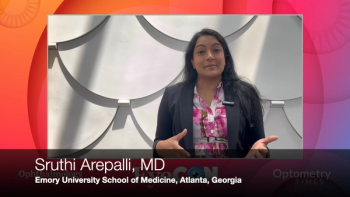
From lids to retina, the 2-day event on September 26 and 27, 2025, at the Margaritaville Hollywood Beach Resort, Florida, offers a collaborative and comprehensive experience with actionable takeaways.

Dr. Tanna will kick off the new monthly subspecialty education series with a virtual session on September 9, 2025, focused on using OCT imaging and perimetry to track glaucoma progression.

Course director Robert S. Feder, MD, shares how the monthly Zoom sessions aim to deliver clinical pearls and foster cross-subspecialty learning.
Advertisement
Advertisement
Trending on Eye Care Network - Ophthalmology Times
1
One day, three approvals: FDA expands options for ocular redness, thyroid eye disease, and presbyopia
2
Duravyu misses wet AMD end point again as EyePoint pivots to DME
3
A vascular link: erectile dysfunction may signal glaucoma risk in men
4
The Retina TL;DR with Dr. Weng: Thriving in fellowship with Amer Alsoudi, MD, and Monia Reding, MD
5