





AMD
Latest News
Advertisement
Video Series


CME Content













Advertisement
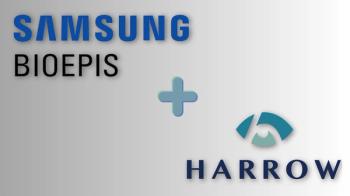
Included in the agreement are ranibizumab-nuna 0.05 mL injection (BYOOVIZ), referencing LUCENTIS (ranibizumab), and aflibercept-yszy 0.05 mL injection (OPUVIZ), referencing EYLEA (aflibercept).
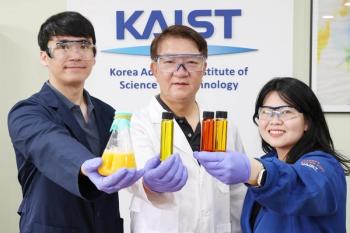
KAIST researchers unveil a new microbial strain for efficient, eco-friendly lutein production.

A hope for reducing treatment burden for wet age-related macular degeneration with a sustained-release vorolanib intravitreal insert

Preliminary results of PST-611-CT1 are anticipated early 2026, subject to patient recruitment.

Research from the iMIND lab at Duke University.

The company notes that the workforce reduction is expected to provide annual cash compensation cost savings of approximately $15 million and offsets additional expenses expected based on the accelerated timelines for the 4FRONT clinical trials.
LumiThera’s PBM is the only device that has demonstrated meaningful vision improvement compared to baseline for people living with early to intermediate dry AMD.

A new study links urinary metabolites from organophosphorus pesticides to increased age-related macular degeneration risk.
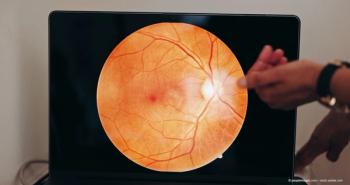
Recapping a recent conversation led by Dilsher S. Dhoot, MD.

Yesafili is the first biosimilar to Eylea to be approved by Health Canada.

New findings reveal RG6501 cell therapy shows promising long-term visual improvements for geographic atrophy patients

FYB203 has been approved by the US FDA and UK Medicines and Healthcare products Regulatory Agency for the treatment of neovascular age-related macular degeneration (nAMD), diabetic macular edema, macular edema following retinal vein occlusion, and visual impairment due to myopic choroidal neovascularization.

Ixo-vec shows sustained efficacy and reduces injection burden through 4 years in clinical trials

Modern Retina’s recent Case-Based Roundtable focused on next-generation treatments for retinal disease that provide advanced care for neovascular age-related macular degeneration (nAMD) and diabetic macular edema (DME).

Changing demographics and increasing trial complexity present challenges and opportunities.

A new study from China revealed a genetic link between coffee consumption and age-related macular degeneration (AMD).

To conduct the study, the investigators obtained data on coffee consumption from genome‐wide association studies (GWAS) and the latest AMD‐related GWAS summary data from the Finngen consortium R11.

With detailed imaging and cognitive data, the Northern Ireland Cohort for the Longitudinal Study of Aging highlights the potential of integrating eye scans into broader health research.

Optical coherence tomography markers—like the ellipsoid zone—are reshaping clinical trials in intermediate age-related macular degeneration, as highlighted at the 2025 International SPECTRALIS Symposium — And Beyond (ISS).

EssilorLuxottica and MidEuropa recently entered into an agreement that will allow EssilorLuxottica to acquire Optegra, building upon its med-tech strategy.
The gift will be used to treat and potentially cure eye diseases like macular degeneration and glaucoma, increase focus on basic science, and harness artificial intelligence to revolutionize vision care.
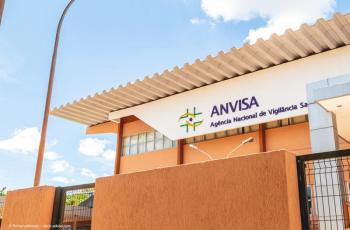
Brazilian regulatory authority ANVISA grants marketing authorization for Ranivisio.

Telomir-1 shows promising results in restoring vision and retinal structure in age-related macular degeneration, marking a significant advancement in treatment.

The trial will evaluate AXPAXLI in at least 555 patients in a multi-center, double-masked, randomized (2:2:1), 3-arm study.
Advertisement
Advertisement
Trending on Eye Care Network - Ophthalmology Times
1
One day, three approvals: FDA expands options for ocular redness, thyroid eye disease, and presbyopia
2
Brepocitinib meets all Phase 3 end points in noninfectious uveitis
3
Diabetic macular edema: an inflammatory disease in focus
4
AAO 2026: GLP-1RA initiation not linked to anti-VEGF burden in DME
5