

Opinion|Videos|June 30, 2024
Overview of the Port Delivery System with Ranibizumab
Author(s)Margaret A. Chang, MD, MS
Margaret Chang, MD, examines the difficulties of frequent anti-VEGF injections and outlines the key aspects of the port delivery system (PDS) for ranibizumab administration.
Advertisement
- Why is sustained delivery of anti-VEGF necessary, and what challenges arise from frequent anti-VEGF injections?
- Can you provide an overview of the port delivery system with ranibizumab?
- How does the device function?
- How is the device implanted?
- How is the device refilled?
- What are the benefits of using the PDS with ranibizumab, and which patients are ideal candidates for this delivery method?
Advertisement
Related to this article

In this Q&A, Ping Moore, OD, covers emerging dry eye therapies, from selenium sulfide to next-gen cyclosporine, and how subtype-guided care shapes treatment choices.

Ophthalmology is projected to face one of the steepest physician shortages of any subspecialty by 2038.

Two investigational pipeline therapies take aim at the root causes of dry eye disease

The RMAT designation opens the door to a faster development pathway for EO2002 as a minimally invasive alternative to corneal transplantation, while Emmecell also advances a cell therapy for geographic atrophy.
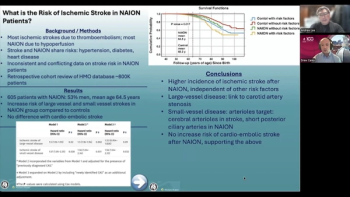
Andrew G. Lee, MD, and Drew Carey, MD, discuss findings from a retrospective study examining ischemic stroke risk in patients with non-arteritic anterior ischemic optic neuropathy and the implications for vascular risk factor management.

Length and width, not thickness, emerge as key drivers of higher-order aberrations.

Offline smartphone AI fundus screening detects diabetic retinopathy, glaucoma, and macular degeneration in one capture, delivering high accuracy for low-resource eye care.

What the approval of a second targeted biologic means for patients, practice, and the evolving TED treatment landscape
Advertisement
Advertisement
Trending on Eye Care Network - Ophthalmology Times
1
Brepocitinib meets all Phase 3 end points in noninfectious uveitis
2
Demodex blepharitis: Diagnosis, treatment response, and recurrence
3
Myopia control using spectacle lenses with highly aspherical lenslets
4
SpyGlass Pharma's BIM-IOL System holds 37% IOP reduction at 4 years in first-in-human trial
5