
A word from Chief Medical Editor Peter J. McDonnell, MD.

A word from Chief Medical Editor Peter J. McDonnell, MD.

Ocuphire Pharma has completed enrollment in the VEGA-1 Phase 2 clinical trial evaluating the safety and efficacy of drops to treat presbyopia.
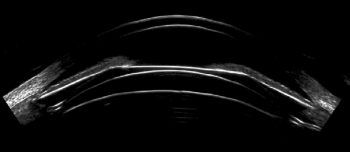
Advancements in imaging make ICL an effective option for a wider range of patients.


Ophthalmologists at New York Eye and Ear Infirmary of Mount Sinai have created a new technique to evaluate patients with sickle cell retinopathy and assess the disease before it progresses and leads to permanent vision loss.

In an announcement that could impact ophthalmologists, the Department of Health and Human Services’ Office for Civil Rights revealed this week that it will enforce a prohibition of discrimination on the basis of sexual orientation and gender identity.
Oculis reported positive data from two of its clinical proof-of-concept phase 2 trials for OCS-02, a novel topical anti-TNF alpha antibody fragment candidate, for the treatment of dry eye disease and acute anterior uveitis.

Option has a broader biologic effect for patients.

Graybug Vision’s Phase 2b ALTISSIMO trial of GB-102 focuses on the treatment of wet age-related macular degeneration.
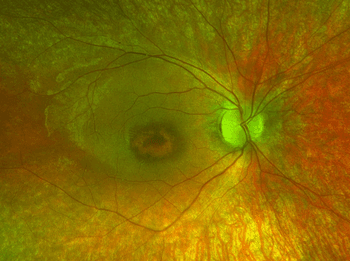
Friederike Kortuem, MD, MSc, discusses how treatment with voretigene neparvovec-rzyl led to a short-term change in the foveal morphology in a patient with visual impairment that included nyctalopia and decreased visual acuity in early childhood.

Findings from retrospective study support intraoperative cefuroxime irrigation.

Worldwide increase in technologies for ophthalmic use is dramatic.

Check out the latest cartoon!

Joseph Grieco, PhD, notes that treatment fills a gap for patients who are unresponsive to the standard treatments for noninfectious keratitis.

Ocular Innovations debuts an option that delivers content touchpoints through a frictionless mobile experience.

Studies on nurse-led services find a low level of complications among patients.

Tarsus Pharmaceuticals kicks off Saturn-2, trial, which is designed similar to Saturn-1, first pivotal trial for TP-03. Topline data from Saturn-1 is expected in July.

According to Applied Genetic Technologies Corp., groups 5 and 6 had a 50% response rate among patients who met the inclusion criteria for the Skyline and Vista trials.

New operating procedures ensure eye clinics can operate safely amid virus.

Ophthalmologist details his preferred technique to avoid complications during procedure.
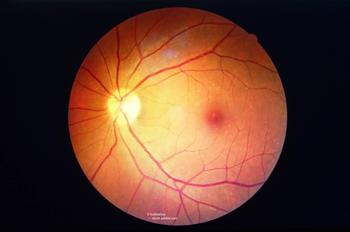
According to Lloyd Paul Aiello, MD, PhD, a key hurdle for diabetic retinopathy is the lack of patient awareness, which is a substantial contributor to non-adherence to eye care guidelines and poor outcomes.

Investigators use an adeno-associated viral vector in a clinical trial to deliver a normal functioning copy of the RPGR gene via subretinal injection.

Short learning curve, significant clinical advantages make this a comfortable addition.
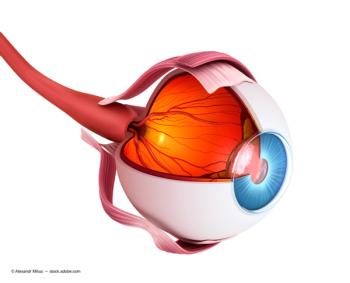
IOP-controlling protein in the trabecular meshwork may get the fluid moving.

A non-viral gene therapy sustained drug-delivery product that delivers anti-VEGF to the eye may replace the need for repeated intravitreal anti-VEGF injections and improve vision in patients diagnosed with wet AMD.

According to Sandoz, it will begin enrolling the first patients in MYLIGHT, a clinical Phase III confirmatory efficacy and safety study.

Logan Vander Woude, DO, MPH, examines research on improved resolution of symptomatic vitreomacular traction as an attempt to further refine the potential factors predictive of better outcomes.

Robyn Guymer, PhD, MBBS, highlights the latest trial results for faricimab, the first bispecific antibody designed for intraocular use in treating patients with neovascular age-related macular degeneration.

Approach can unravel causes in MYOC and TBK1 glaucoma.

Bryce Buchowicz, MD, outlines roadblocks to timely diagnosis of central retinal artery occlusion and treatment with tissue plasminogen activator.