















Modern 27-gauge equipment for vitrectomy has introduced a new paradigm in vitreoretinal surgery marked by enhanced precision and control.

Modern 27-gauge equipment for vitrectomy has introduced a new paradigm in vitreoretinal surgery marked by enhanced precision and control.

Temporary scleral buckling performed with a removable external device provides the benefits of scleral buckling while addressing its downsides as surgery for a detached retina.

The European Commission has granted marketing authorisation for cenegermin eye drops (Oxervate, Dompé) for the treatment of moderate to severe neurotrophic keratitis.

Macular hole surgery can be performed using various techniques and technologies. According to John T. Thompson, MD, the available evidence supports always incorporating internal limiting membrane (ILM) peeling, staining of the ILM, and having a large gas bubble in the eye on the first postoperative day.

Suprachorodial hemorrhage can be managed effectively with a conservative approach, but if surgical intervention becomes necessary, timing is critical for optimizing the outcome and minimally invasive techniques can be considered, said John W. Kitchens, MD.

When dealing with patients with retinal disease, macular disease, or a meaningful risk of retinal detachment, certain types of IOLs should be avoided due to potential complications.

Intravitreal injections and posterior capsule rupture during cataract surgery: is there a risk? Research published in the American Journal of Ophthalmology may have an answer.

Cataract surgery in patients with coexisting uveitis is more challenging than managing either condition alone. Surgeons must answer a different set of questions and consider alternative management strategies, said Debra A. Goldstein, MD, FRSC, professor of ophthalmology and director of the Uveitis Service, Department of Ophthalmology, Northwestern University Feinberg School of Medicine, Chicago.

Most ocular structures become luminescent for a short time when exposed to a light source of appropriate wavelength; this phenomenon is known as autofluorescence (AF). AF is due to the presence of fluorescent substances called fluorophores.

Removing a small area of internal limiting membrane at the intended site of a subretinal injection allows the injection to be delivered without penetrating the retina.

Researchers have injected their first patient with a virus engineered to remodel the gene responsible for X-linked retinitis pigmentosa (XLRP).

Retinal issues can impact cataract surgery outcomes, especially for those with multifocal or other premium lenses. While multifocal lenses may allow the patient to see more clearly across a range of distances, they may also decrease the amount of light that reaches the retina, exacerbating any issues that may already be present.

Failure to follow-up after ophthalmology appointments can damage patients’ health, a new study suggests. “In our view, national consideration should be given to create targets for reporting how well providers are managing follow-up patients,” reported A Davis and colleagues in the journal Eye.

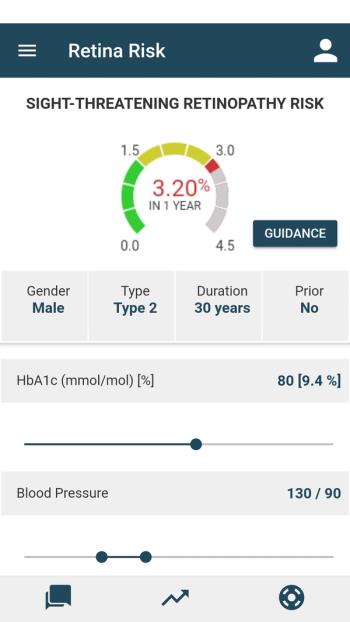
The global epidemic in type 2 diabetes mellitus is of unprecedented proportions. In absolute numbers, it probably exceeds any previous epidemic in the history of mankind. There are now more than 400 million people with diabetes in the world, and the number is projected to exceed 600 million by 2030.

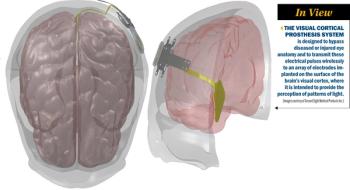
Electronic retina implants can restore enough vision for some patients to pursue tasks of daily living, according to RE MacLaren, part of a team testing the devices.

Ocriplasmin (Jetrea, ThromboGenics) may achieve lower macular hole closure rates than in trials, new British and Irish data suggests. Also, “the incidence of adverse events was greater than previously reported,” wrote RJ Haynes of Bristol Eye Hospital in Bristol, United Kingdom, and colleagues in the journal Eye.

Serum and aqueous levels of Klotho levels are reduced in pseudoexfoliation syndrome (PXF) and pseudoexfoliative glaucoma (PEG) while Endothelin-1 (ET-1) is increased, researchers say.

Looking back at 2016, incremental improvements in devices are changing how retina surgeons approach and treat surgeries, said a group of experts. For Charles Wykoff, MD, PhD, two novel improvements may not radically alter surgical approaches today, but will have a long-lasting impact down the road.

Millions of adults around the world run the risk of losing their eyesight because of inattention to complications of diabetes, according to a team of international researchers. “A quarter of people with diabetes surveyed are not discussing eye complications with their health care professional, with many presenting when vision problems have already occurred,” the report said.

Optical services chains in the United Kingdom are misleading customers about filters to screen out blue light from electronic devices, according to the BBC. Boots Opticians and Vision Express both claim that the filters protect against retinal damage despite a lack of evidence, the news service said in a recent press release.

The Mediterranean diet reduces the risk of age-related macular degeneration (AMD), according to a study of two Portuguese populations.

Accumulating evidence suggests that multiple treatments can help people with amblyopia, according to a review of the literature.

The US Food and Drug Administration (FDA) is expediting its review of a new potential treatment for giant cell arteritis, a rare inflammatory disease that can cause permanent vision loss, Roche has announced.

Work is progressing on contact lenses that can monitor biomarkers in tear film for intraocular pressure, diabetes mellitus, and other health conditions.

Patients treated for diabetic macular oedema with ranibizumab in the UK National Health Service (NHS) are getting benefits similar to those seen in clinical trials, according to a new study