


Telemedicine provides readiness in time of crisis.
Telemedicine provides readiness in time of crisis.
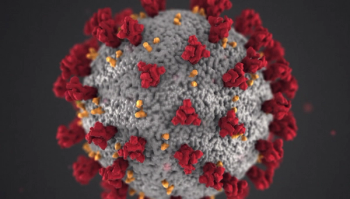
The study's finding suggest that the particles may be involved in some of the ocular clinical manifestations of the COVID-19 infection.
Perhaps the most important consideration is understanding the neuromuscular pathway that retracts and protracts the eyelid.

As soon as 2 weeks after treatment, changes occur to foveal layer.
Use of a drug to correct the eyelid position could eliminate the complications associated with surgery.

Investigators have found that optical coherence tomography findings could prove to be a diagnostic tool for COVID-19.
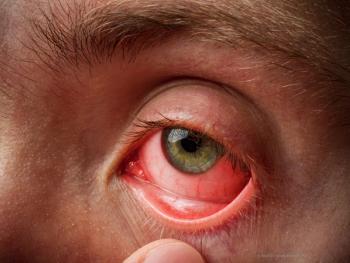
Sustained findings over long term indicate no rebound of disease.
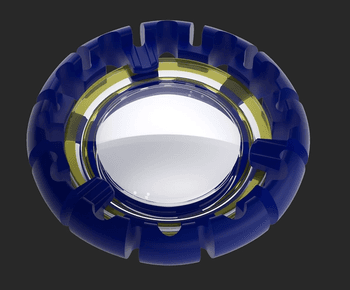
Eric Donnenfeld, MD, presents results of the year-long Grail Study demonstrating the safety and performance of the Juvene IOL from LensGen Inc.
Mitchell A. Jackson, MD, presents details of a retrospective review of dexamethasone intraocular suspension 9%, including reduced postoperative inflammation.
Steven Greenstein, MD, reports on results of epi-off corneal collagen cross-linking treatment in keratoconus and ectasia patients 10 years after undergoing laser refractive surgery.
Mark Gallardo, MD, reports 12-month outcomes of iStent inject® combined with cataract surgery in a predominantly Hispanic patient population with mild to moderate open-angle glaucoma (OAG) and comorbid cataract.
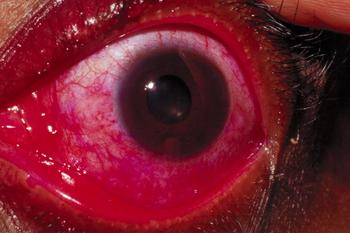
Eric Donnenfeld, MD, highlights study results exhibiting risuteganib as a potential treatment option for dry eye disease.
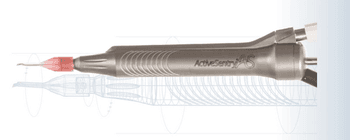
Hisaharu Suzuki, MD, PhD, provides insight on how a handpiece maintains the anterior chamber stability even when occlusion occurs, suggesting its usefulness for a safe and efficient surgery.
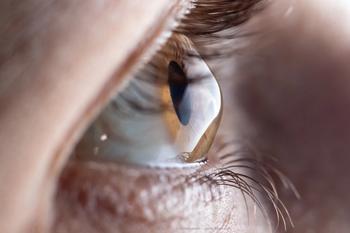
Kathryn M. Hatch, MD, details how collagen CXL is evolving with the goals of reducing complications and actually improving visual acuity.
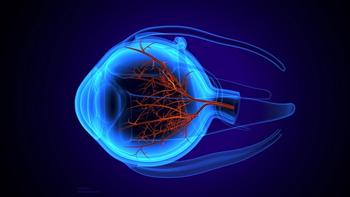
Basil Williams, Jr., MD, reports on the association between development of elevated intraocular pressure and numerous commonly performed vitreoretinal treatments.

Jonathan D. Shader, DO, CPA, presents a case study involving an uncommon cause of posterior-intermediate uveitis: the black ink used to create a tattoo.
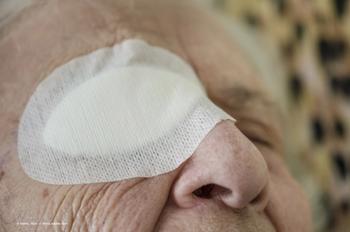
Case study looks at a 90-year-old patient with a sebaceous gland carcinoma with corneal and bulbar conjunctival involvement, but the eyelid was spared.
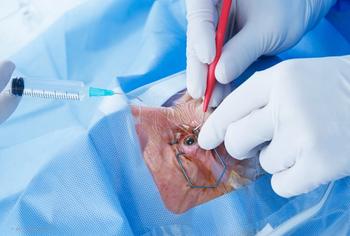
Cathleen McCabe, MD, presents results of a retrospective study highlighting the effectiveness of dexamethasone intraocular suspension 9% following cataract surgery.

Case study of 2 sisters with Leber’s congenital amaurosis (LCA) analyzes ocular findings, connection.
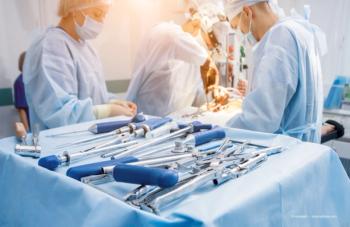
A new report has found that glaucoma specialists’ procedure of choice has changed as a result of the COVID-19 pandemic.
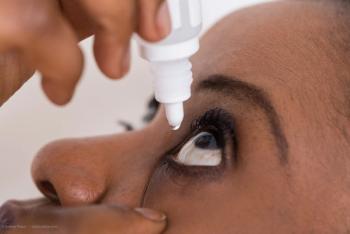
Administration has minimal impact on patients’ perception of pain.

Australian researchers reported investigating the potential use of CRISPR, the gene-editing technology, to stop SARS-CoV-2 virus transmission in infected human cells.
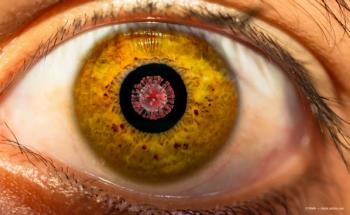
A team of investigators has found that the retina could offer signs of possible COVID-19 infection before they appear in other parts of the body.
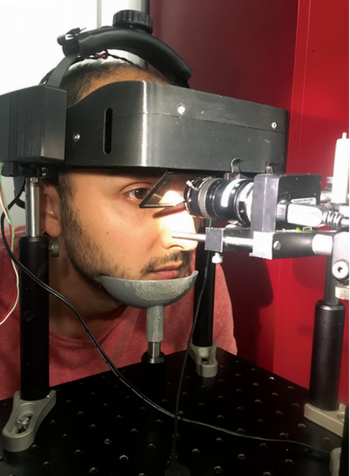
Holographic technology offers after-surgery glimpse for surgeons, patients.
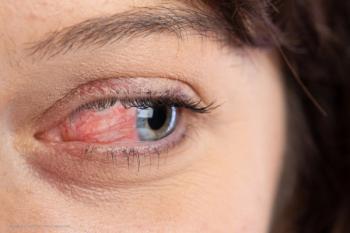
Measures of inflammation can predict treatment outcomes for patients.
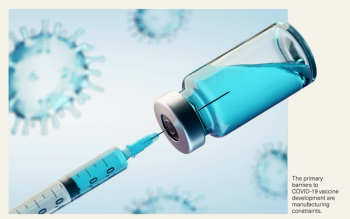
The primary barriers to COVID-19 vaccine development are manufacturing constraints.
Pressure-dependent optic nerve disease, retinal disease.

Clues to diagnosis from patient/family histories, examination techniques.

Physicians in India have reported 7,200 documented cases of mucormycosis infections in patients with severe COVID-19 infections.
Physicians should hospitalize ON patients to prevent blindness, possible death.