

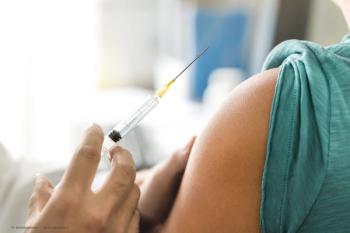
Investigators in the United Kingdom found that concomitant vaccination of flu and COVID-19 raised no safety concerns and preserved the immune response to both vaccines.
Investigators in the United Kingdom found that concomitant vaccination of flu and COVID-19 raised no safety concerns and preserved the immune response to both vaccines.

Changes are resulting in better outcomes for patients with glaucoma.

Richard B. Rosen, MD, DSc(Hon), reports on the capabilities of using clinical OCT for imaging and measuring macular surface macrophage cells during the 2021 ASRS annual meeting.

Sunir Garg, MD, reports on the risk of presumed infectious endophthalmitis following administration of anti-VEFG injections in correlation with universal masking.
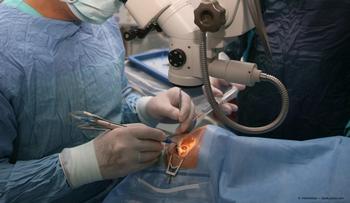
Yoshihiro Yonekawa, MD, reports on the findings of an investigation looking at the prevalence of endophthalmitis following minimally invasive glaucoma surgery.
Rishi Singh, MD, reports on results from the VISTA and VIVID studies analyzing the use of intravitreal aflibercept injections to treat DME.

W. Lloyd Clark, MD, presents results of the nonproliferative diabetic retinopathy-focused PANORAMA study during the 2021 ASRS annual meeting.
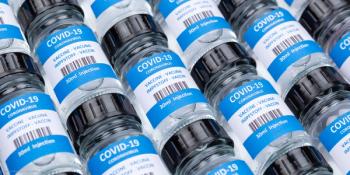
According to investigators, the BNT162b2 (Pfizer–BioNTech) vaccine appears to be highly effective in preventing hospital admissions for up to about 6 months after vaccine recipients are fully vaccinated
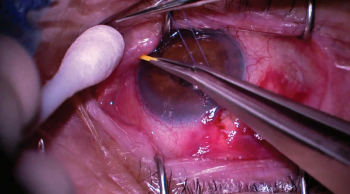
Sustained-release option helps with patient adherence following surgery.

A literature review indicates that intravitreal administration of anti-VEGF drugs are effective for treating DME, but close attention should be paid to the potential for elevated IOP, cataract progression.
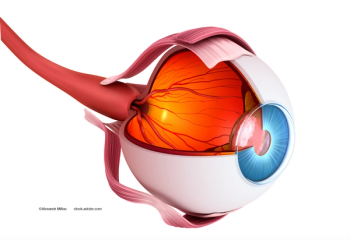
Researchers consider frequency and factors in etiology of complication
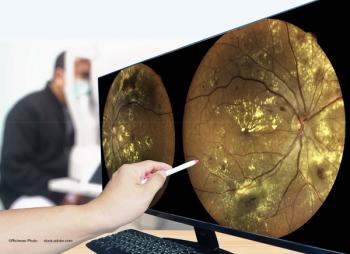
Study: Older age and eyes with severe nonproliferative diabetic retinopathy or proliferative diabetic retinopathy had a higher risk of a vision loss event.
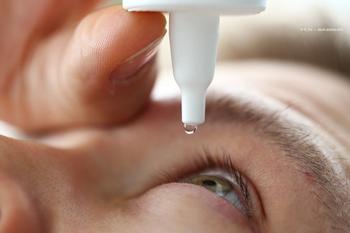
Anterior uveitis therapy offers anti-inflammatory effect after dosing is stopped.
Pfizer’s study will evaluate the investigational novel oral antiviral candidate PF-07321332 for the prevention of illness in adults living in the same household as someone with COVID-19.

Investigators learn that a wearable aid can offer improved mobility.

Stanford University researchers released information indicating that in hospitalized patients with severe COVID-19, the virus can cause production of autoantibodies that can, in effect, cause the body to attack itself and result in inflammatory diseases.

Myopia is a global epidemic that is driven in part by educational pressures, especially in Asian populations.
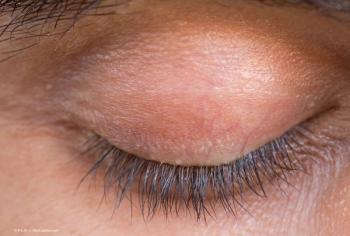
Topical oxymetazoline HCL ophthalmic solution 0.1% (RVL-1201, RVL Pharmaceuticals, Inc.) has the potential to treat patients with varying degrees of severity of acquired ptosis compared with vehicle.
Massachusetts researchers are reporting structural disparities in vaccine distribution in the state.

Technology can track the progression of retinal abnormalities
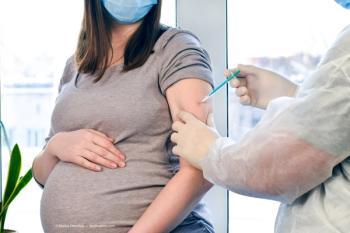
Researchers conducting a case-control surveillance of COVID-19 vaccination during pregnancy found that spontaneous abortions did not increase as a result of vaccinations.

Researchers found that the effectiveness of the vaccine held for about 6 months in most adults, but began to be less effective at that time point.
Unilateral ptosis can be the first symptom related to other causes that are traumatic, myogenic, neurogenic, or mechanical in nature.

CXL is safe, effective to perform on younger population, study results show.

Marta Belmonte-Grau, MD discusses the potential risk for posterior capsular rupture during cataract surgery.

Anat Loewenstein, MD, MHA, discusses how artificial intelligence can optimize optical coherence tomography.
A case study details the care of a patient who had already lost vision in one eye from a similar issue.
A 48-year-old male patient presented to an ophthalmic emergency department with what was described as progressive bilateral corneal melting 5 weeks after he received the first dose of a COVID-19 vaccine.

José-Alain Sahel, MD, explains how optogenetics involves artificial photoreceptors from specific retinal cells to restore vision.

The new virtual conference will debut on Sept. 18, and can help young ophthalmologists solve the small problems before they become bigger problems.