

Working as an investigator can prove to be a positive experience for physicians

Working as an investigator can prove to be a positive experience for physicians
Consistent message, top-of-mind awareness are strategies for growth.

The Centers for Medicare and Medicaid Services has released its final physician fee schedule for 2021. Despite opposition from the American Academy of Ophthalmology, the schedule includes an overall cut of 6% to ophthalmology.

In light of the ongoing COVID-19 pandemic, the Glaucoma Research Foundation will host a virtual Glaucoma 360 annual meeting in 2021.
Pandemic is driving — and accelerating — changes in how ophthalmic care is delivered to patients.

A word from Chief Medical Editor Peter J. McDonnell, MD.
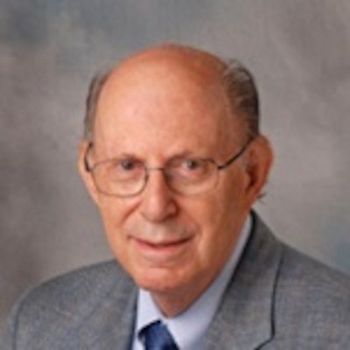
During his 24-year tenure as chair of the Wayne State University School of Medicine’s department of ophthalmology and director of the Kresge Eye Institute, Dr. Jampel oversaw the growth of the department.

Patients should be urged to follow manufacturer recommendations when using a UV-emitting germicidal lamp, avoiding direct exposure to the ocular surface. They should leave the room when the lamps are in use.

Patients with pathogenic variants experience lower VA tied to length of IS/OS junction.

Process eliminates need for expensive in-person examination of patients without DR.
Study finds imaging-based formulas are less accurate in post-myopic LASIK eyes.
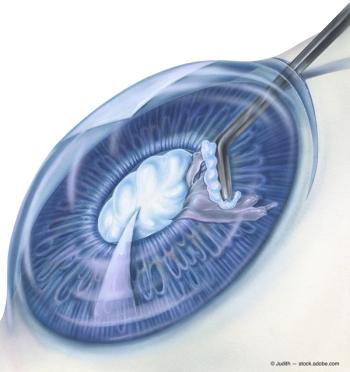
Innovations have made procedure quick, safe, effective.
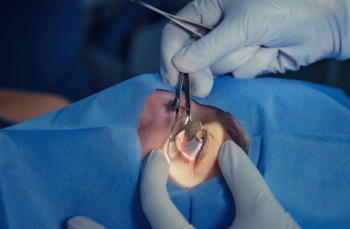
Physicians often use lenses due to abnormal corneal topography or high myopia

Advances in treatment and surgical techniques have transformed patient care.
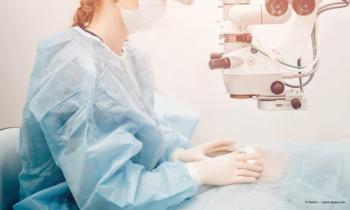
Goniotomy-viscodilation cataract surgery controls IOP without medications.

Investigators reviewed visual acuity, multi-modal retinal imaging, electroretinography, family history.

Thanks to researchers like Russell N. Van Gelder, MD, PhD, the possibility of restoring sight to patients blinded by age-related macular degeneration or retinitis pigments is another step closer to reality.

Innovation, change has dominated the glaucoma specialty over the years.

During AAO 2020, Cathy G. Cohen, MHSA, CAE, AAO vice president for governmental affairs, offered some optimism for the future of health care under the Biden administration.
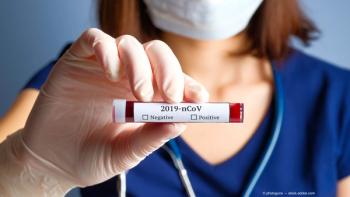
The US Food and Drug Administration has issued an emergency use authorization for the first COVID-19 diagnostic test for self-testing at home and that provides rapid results.

Advances in laser-vision correction provide visual results that often surpass 20/20.

Science is being tapped by professional sports league to train and develop officials.
A unique Behind-the-Scenes series from the American Academy of Ophthalmology Truhlsen-Marmor Museum of the Eye kicks off November 18, from noon to 1 pm Pacific, with “The National Trachoma Service.” Register now for this event.

Programs use detection and treatment to ease burden of eye disease.

When it comes to using a breath shield as protection against the spread of the coronavirus, bigger may be better, according to investigators.
Investigators looked at trends by geographic variation in practice patterns, perceptions toward opioids, and patient population
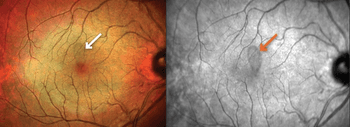
Bradley Smith, MD, presents at AAO 2020 on how fingolimod 0.5 mg, a first-line treatment for multiple sclerosis, may reduce both the number of relapses and disease progression in patients with relapsing-remitting MS as well as the incidence of uveitis.
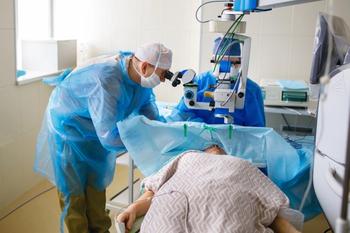
Speaking during the American Academy of Ophthalmology’s virtual 2020 annual meeting, Neal H. Shorstein, MD, explained how physicians at Kaiser Permanente have been using a prophylactic drop-free drug regimen before cataract surgery for more than a decade. Their regimen is so streamlined that the only drop that patients receive in anticipation of cataract surgery is a supplemental dilation drop instilled preoperatively while they are still in the holding area.