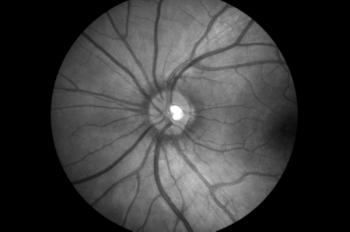
High-quality images can be useful for early diagnosis, prognosis, monitoring

High-quality images can be useful for early diagnosis, prognosis, monitoring
Check out the latest cartoon!
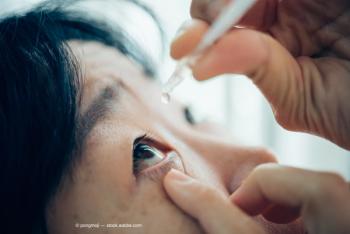
Initiating the treatment preoperatively was associated with better outcomes than if the artificial tears were used only after the procedure.

Findings from large retrospective study support intraoperative cefuroxime irrigation

Patients underwent short-course, perioperative systemic immunosuppression prior to procedure

Social media sites offer physicians an opportunity for patient education.

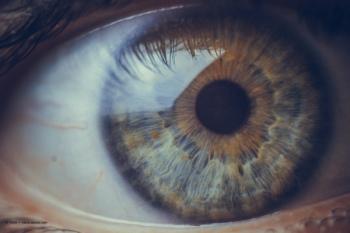
A French kindergarten teacher has lost his job after the parents of a child complained about his appearance, which includes multiple face tattoos, including the sclera of his eyes, which have been turned to black by the ink. Scleral tattoos pose a serious threat to eye health, and could be a challenge for ophthalmologists treating these patients.

Newly cleared technology for laser cataract gives ophthalmologists another tool.
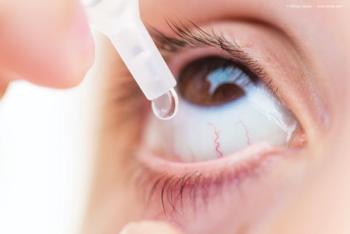
Surveyed patients express dissatisfaction with efficacy of eye drops.
A number of options may offer major cost savings, positive results for patients.

Investigators find that nanoparticles deliver gene therapy successfully in mice, rats.

Investigators find that nanoparticles deliver gene therapy successfully in mice, rats.
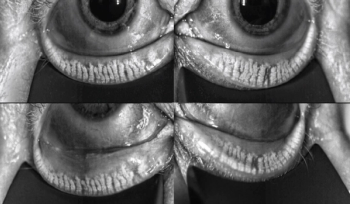
It's not always easy to convince early-stage, minimally symptomatic or symptomatic patients that their MGD should be treated. Cynthia Matossian, MD, FACS, explains why ophthalmologists shouldn't take this personally and how not to accept their denial as a final answer.
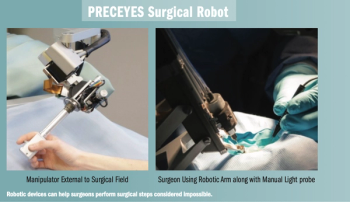
Robotic-assisted procedures are proving more precise in every way when compared with manual procedures: automated assistance controls tremor, reduces fatigue, and helps avoid inadvertent injury.

The American Medical Association is expressing its support for provisions in proposed Continuing Resolution legislation in Congress that could offer relief to financially strapped physician practices.

In this fourth installment on "2020 vision," pharmaceutical representatives share their outlook on what lies ahead for glaucoma innovations within the ophthalmic space.

Glaucoma Research Foundation (GRF) Ambassadors webinar provides platform for idea-sharing by ophthalmologists

Evidence-based medicine can lead to personalized care, better results for patients

Investigators from Tel Aviv, Israel, cautioned this week that patients who wear face masks during the administration of intravitreal injections could be at a higher risk for the development of endophthalmitis.
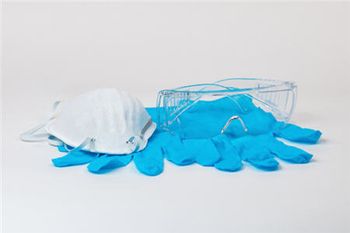
In an effort to help ophthalmologists bring patients back to the office, a global ophthalmic medical device manufacturer has unveiled a line of patient personal protection equipment packs.
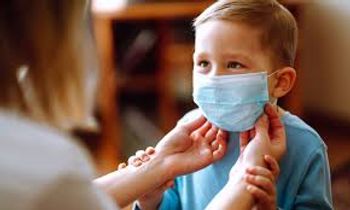
Gastrointestinal symptoms are common in children infected with SARS-CoV-2 and should trigger tests for the virus, according to investigators. This research comes after investigators earlier this month released results of a study of COVID-19 ocular manifestations in children in China.
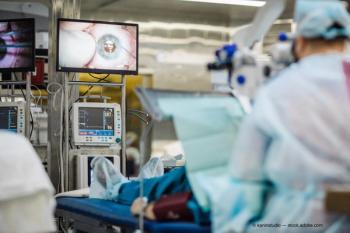
Benefits of intracameral phenylephrine/ketorolac continue to add up.

One ophthalmic practice's staff has found that, despite the challenges faced healthcare professionals are facing amid the coronavirus pandemic, a few proverbial “silver lining” practice adaptations will endure long after the crisis is over.
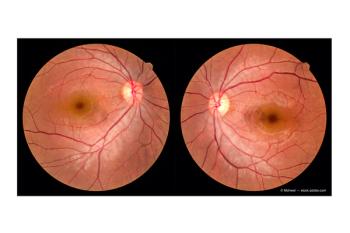
Study designed to identify patterns in abnormalities and differences characteristic of disease.

Physicians struggling under the strains of the pandemic often think they cannot seek professional counseling, as burnout is at an all-time high and more than 50% of ophthalmologists saw their incomes drop by more than 50%.

Monofocal toric lens delivers effective astigmatic correction and more, study results show

Humoral immunity against SARS-CoV-2 may not last long in individuals who had mild infections, and the loss of antibodies may actually be quicker than reported previously for the virus, according to investigators from the David Geffen School of Medicine, University of California, Los Angeles.

Changes after DMEK, UT-DSAEK may be factors in reduced total corneal refractive power