

The AVONELLE-X long-term extension study will continue to evaluate the efficacy, durability, and safety of faricimab in patients with neovascular AMD.

The AVONELLE-X long-term extension study will continue to evaluate the efficacy, durability, and safety of faricimab in patients with neovascular AMD.
In a presentation at the American Academy of Ophthalmology’s 2022 annual meeting in Chicago, Ines Lains, MD, PhD, detailed how adjunct treatment with intravitreal antivirals or early pars plana vitrectomy did not improve the rates of retinal detachment in patients diagnosed with acute retinal necrosis.

The data analysis indicated that patients achieved robust visual gains and central subfield thickness reductions with faricimab dosed every 8 weeks and with PTI dosing up to every 16 weeks. The gains were sustained through year 2 of the trials.
First-in-human biologic stent in ophthalmology is a conforming implant material, i.e., a soft, scleral wall compliant bio-tissue to structurally reinforce the cyclodialysis cleft opening.

In an announcement at the American Academy of Ophthalmology’s 2022 annual meeting at McCormick Place in Chicago, the company noted that results from Phase 1/2 MGT009 study demonstrate safety profile of investigational gene therapy botaretigene sparoparvovec (AAV-RPGR) and suggest sustained vision improvement in patients with X-linked retinitis pigmentosa.
In a poster presented at the American Academy of Ophthalmology’s 2022 annual meeting in Chicago, Yu-Yen Chen, MD, PhD, noted that patients diagnosed with normal-tension glaucoma (NTG) have a significantly higher risk of developing Alzheimer’s disease compared with those without NTG.
During a presentation at the American Academy of Ophthalmology’s 2022 annual meeting in Chicago, Vivian Paraskevi Douglas, MD, DVM, MBA, MSc, detailed a study in which investigators used the extensive data in the American Academy of Ophthalmology IRIS Registry to study the difference between the pediatric and adult populations.
According to a Vanderbilt University news release, the International Retinal Research Foundation has extended a $10 million gift to establish a center dedicated to retinal vision research at the Vanderbilt Eye Institute and a directorship to support a physician-scientist leader in the Department of Ophthalmology and Visual Sciences.

During a presentation at the American Academy of Ophthalmology’s 2022 annual meeting at McCormick Place in Chicago, Maria A. Guzman Aparicio, MD, and Teresa C. Chen, MD, detailed their research that found that pediatric patients have a significantly higher incidence of new-onset strabismus after tube shunt surgery for glaucoma compared with adults.

Data were presented during an oral presentation at the American Academy of Ophthalmology’s 2022 annual meeting at McCormick Place in Chicago.

Academic leaders will review their experience with the technology during a symposium at the American Academy of Ophthalmology annual meeting, being held at McCormick Place in Chicago.
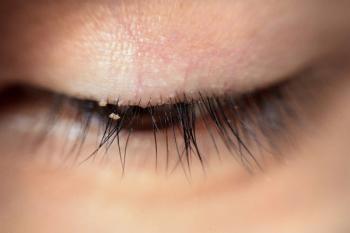
During the American Academy of Ophthalmology 2022 Annual Meeting in Chicago,Tarsus Pharmaceuticals Inc. announced the launch of the “Look at the Lids” disease education campaign for Demodex blepharitis.
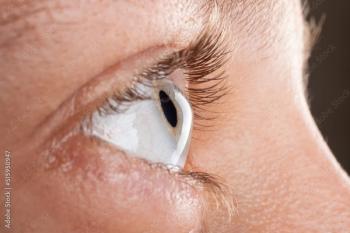
CXL Ophthalmics Inc. on Thursday published results of the EpiSmart cross-linking Phase 2 study for keratoconus.
Optimal performance has a limited window.

At the American Academy of Ophthalmology annual meeting in Chicago, Gautam Kamthan, MD, discussed the feasibility of robot-assisted ophthalmic gonio-surgery.

AB 2236 would have allowed optometrists to perform anterior segment laser and minor procedures which involve the use of a scalpel or injections.
Library of ViewPoint drug candidates will accelerate development of novel alpha-crystallin chaperone compounds as a non-surgical treatment for age-related cataracts.

At the American Academy of Ophthalmology in Chicago, Johnson & Johnson Vision is spotlighting the Tecnis Symfony OptiBlue IOL, its presbyopia-correcting intraocular lens (PC-IOL) powered by InteliLight technology.

The survey, from The Larry A. Greene Center and the Primary Care Collaborative, found that the COVID-19 pandemic has had an adverse impact on the well-being of physicians.

On this week's episode of the NeuroOp Guru, Andy Lee, MD, and Elizabeth Fortin, MD, discuss visual snow syndrome and whether it should be evaluated during standard in-clinic ophthalmologic testing.

The hour-long issue teaches the viewing ophthalmologist the technique and many modifications of intrascleral haptic fixation, an innovative approach when the capsule has been damage or is absent.

Genotyping and artificial intelligence are together starting to predict the progression of glaucoma in individual patients, sparing them from suboptimal treatments and adverse effects. Recent research efforts are exploring modifiable risk factors such as caffeine consumption.
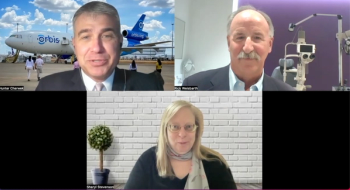
After a brief hiatus during the pandemic, the Flying Eye Hospital program returns.

The destination of Marco Island, Florida not only serves as an excellent backdrop for this year's Ophthalmology Times® EyeCon 2022 but also provides a unique opportunity for family members to see their ophthalmic loved ones in a professional light.
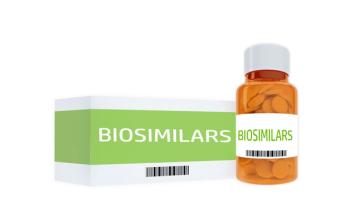
Anti-VEGF biosimilars may offer a therapeutic alternative to the original biologic because they have the ability to lower the overall therapeutic cost in the management of varied chorioretinal disorders.

Let us know if you will plan to use biosimilars in your daily practice. The poll will be open until October 10, 2022.
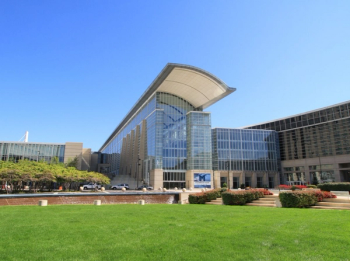
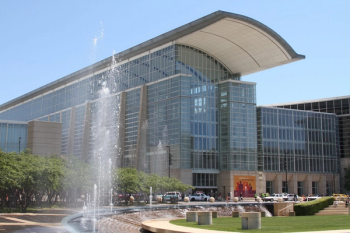
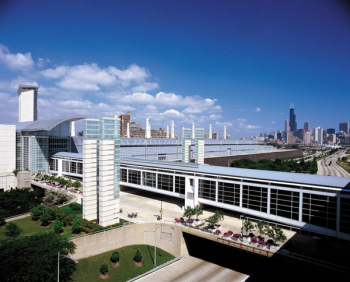
The American Academy of Ophthalmology will hold its annual meeting beginning Friday at McCormick Place in Chicago.
Although it is always important to consider optimizing the ocular surface for all patients to improve their vision, it is of critical importance before cataract surgery.
According to Nicole Fram, MD, around the world, corneal specialists are making the most of limited resources.