

Prof Hogg presented a wide breadth of research at the International SPECTRALIS Symposium
Prof Hogg presented a wide breadth of research at the International SPECTRALIS Symposium

With 35+ lectures, a NASA keynote, and a river cruise through historic Heidelberg, this year’s symposium blends science and scenery

More than 35 lectures across seven topics, plus a keynote address, will be featured during the meeting
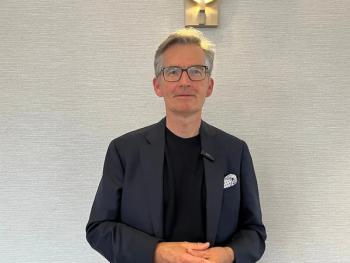
Siegfried Priglinger, MD discussed research he presented focused on pediatric patients with inherited retinal diseases with an emphasis on studies into the RPE65 gene.

Mark Daly discusses the transformative role of AI in ophthalmology, highlighting its potential to enhance patient care and streamline physician workflows.
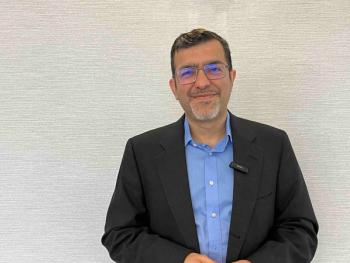
Jay Chhablani, MD, explains how 3D choroidal vessel segmentation transforms ophthalmology, enhancing disease diagnosis and treatment through advanced imaging technology.

The TEASE-1 trial reveals gildeuretinol's potential to reduce vision loss in Stargardt disease, offering hope for future treatments.
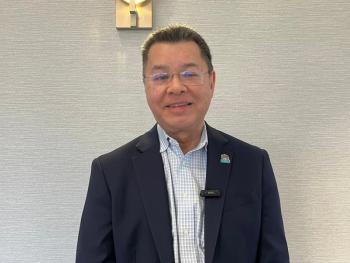
The ELEVATUM study explored faricimab's effectiveness in treating diabetic macular edema among underrepresented minorities, showcasing significant visual acuity improvements.
Research findings from the multicentre clinical study were presented at the European Society of Ophthalmology (SOE) meeting in Lisbon, Portugal

Special programming for young ophthalmologists will be hosted in the YO lounge

This year’s multi-specialty programme features the SOE Leadership Development Programme (EuLDP), the International Society of Ocular Trauma (ISOT), European University Professors of Ophthalmology (EUPO) and more
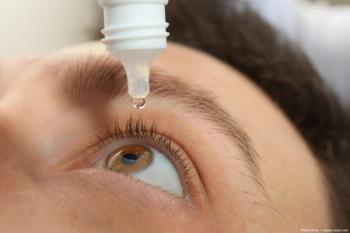
Researchers share that perfluorohexyloctane eye drops offer rapid relief for dry eye disease, enhancing patient comfort before cataract surgery.
Retina specialist Jay Chhablani, MD, discusses 3D choroidal vessel segmentation, uncovering critical insights into macular degeneration, diabetic retinopathy, and potential systemic disease connections using advanced OCT technology.
Boyer discusses a potential treatment for diabetic retinopathy and macular degeneration using suprachoroidal injections, offering reduced risks and improved outcomes.
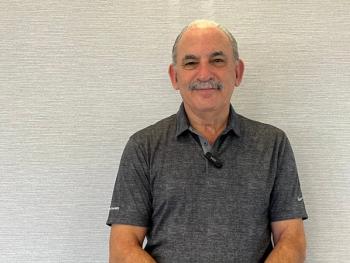
International retina specialists converge to explore groundbreaking treatments, drug delivery systems, and surgical innovations at the Retina World Congress 2025.
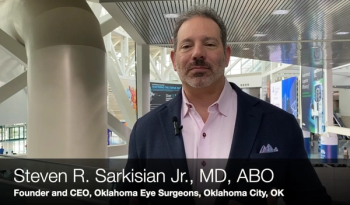
At the 2025 ASCRS meeting, Dr. Sarkisian presented 3-year data on the iDose TR from the FDA clinical trial.
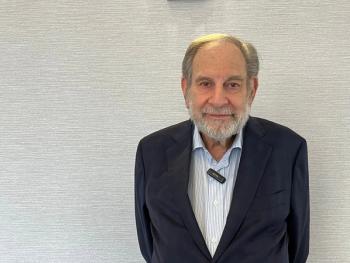
Breakthrough suprachoroidal injection technique offers promising treatment for diabetic retinopathy, reducing visual threatening complications from 37% to 4% with minimal inflammation and office-based procedure.

Discover how ellipsoid zone integrity predicts geographic atrophy growth rates in recent clinical trials, enhancing future treatment strategies.
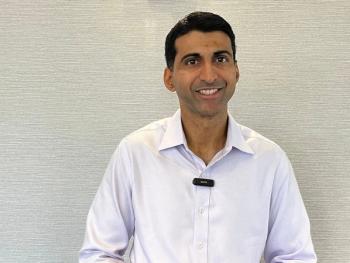
Two FDA-approved geographic atrophy treatments show significant patient dropout, with 45% discontinuation by 18 months, driven by baseline vision, CNV, and lack of immediate visual improvement.
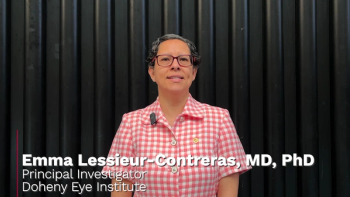
At ARVO 2025, in Salt Lake City, Utah, Emma Lessieur-Contreras, MD, PhD, talked about her poster on retina extracellular vesicles, and the role that they play on diabetic retinopathy.
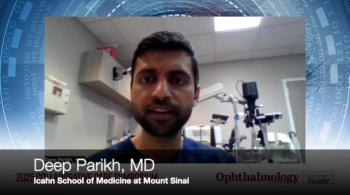
Deep Parikh, MD, sat down with Emily Kaiser Maharjan from Optometry Times to talk about his presentation at Collaborative Care Symposium on advanced treatments in neovascular retinal disease.
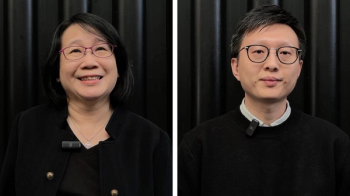
At ARVO 2025, in Salt Lake City, Utah, Carly Lam, PhD, MSc, and Tsz Wing Leung, PhD talked about the evaluation of the visual performance of 2 modified DIMS spectacle lens designs.
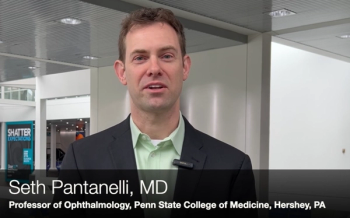
Investigators were surprised by the outcome of a comparison between the Eyhance and enVista IOLs in low-light conditions.
The Retina World Congress showcases global innovations in surgical and medical retina, highlighting emerging treatments and fostering collaboration among specialists.
Sharon Fekrat, MD, FACS, FASRS, highlights the critical importance of networking and collaboration in the medical field, particularly in ophthalmology.
Lori Wright, JD, sat down to talk about a discussion at Collaborative Care Symposium about the risk under federal statutes and how to minimize that risk as an optometrist or an ophthalmic practice.