
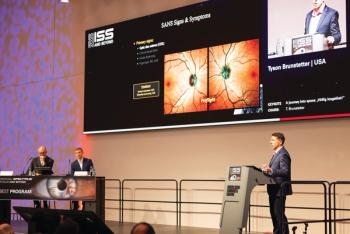
Highlights from the 2025 Heidelberg Engineering International SPECTRALIS Symposium—And Beyond
Highlights from the 2025 Heidelberg Engineering International SPECTRALIS Symposium—And Beyond
João Pedro Marques, MD, MSc, PhD discusses a retrospective study of 800 patients with inherited retinal diseases
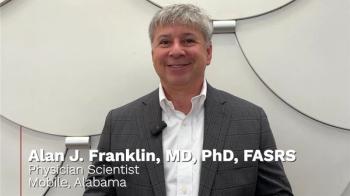
Franklin shares how methotrexate significantly reduces reoperation rates in diabetic patients with retinal detachments, enhancing postoperative outcomes and vision.
Survey reveals severe impact of Good Days underfunding on retina practices, with many patients experiencing vision loss due to delayed access to care.
The DAVIO-2 study reveals EYP-1901's potential as a 6-month treatment for neovascular AMD, matching aflibercept's vision outcomes with fewer doses.
An intravitreal implant shows promise in enhancing visual function and retinal structure in diabetic retinopathy patients, according to recent research.
Matthew Starr, MD, discusses techniques for correcting astigmatism in patients lacking capsular support, enhancing visual outcomes surgery.
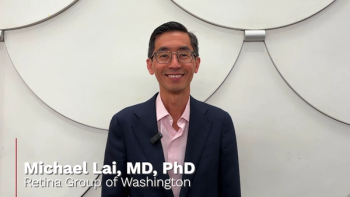
Lai spoke with Modern Retina about the study of PER-001, a novel therapeutic targeting the endothelin-1 receptor.

Justis Ehlers, MD, FASRS, presented "PER-001, a Long-acting Endothelin Antagonist Intravitreal Implant, Improved Structure and Visual Function in Patients With Diabetic Retinopathy," during the 2025 ASRS meeting held in Long Beach, California.
Jay Chhablani, MD, presented the phase 1/2 clinical trial data for OCU410, at the 2025 annual meeting of the American Society of Retina Specialists.
Steven D. Ness, MD, discusses his research on vitamin D's role in reducing complications after retinal surgery at ASRS 2025.

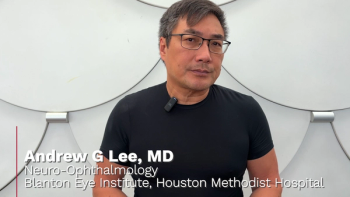
At ASRS 2025, Andrew G Lee, MD, gave key insight into the world of a neuro-ophthalmologist and why and when a retina specialist should consult a neuro-ophthalmologist
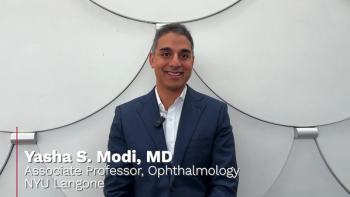

Christina Weng, MD, MBA, FASRS, explores the viability of postoperative day 0 exams as a substitute for day 1 after vitreoretinal surgery, revealing promising findings.
Andrew G. Lee, MD, shares essential insights on neuro-ophthalmology for retina specialists, emphasizing diagnosis techniques and collaboration with neuro-ops.