
















Polygenic risk score allows multiple variants to be tested simultaneously.

Polygenic risk score allows multiple variants to be tested simultaneously.

A gel stent allows for less invasive subconjunctival procedures and an easier recovery course than traditional forms of minimally invasive glaucoma surgery.

Dr Felipe Medeiros in a presentation at the American Academy of Ophthalmology 2021 annual meeting in New Orleans, noted that a phase 3 clinical extension study of the bimatoprost implant found that patients’ IOP was lowered and stayed low with no additional treatment or changes in their visual fields.

The POAAGG study in African Americans gives insights into the effect of glaucoma on this population and provides data that could lead to gene therapies.

Home testing technology is proving to be a key advancement in monitoring and screening glaucoma patients.
Thinning of inner plexiform sub-layers can help differentiate glaucomatous from healthy eyes.
Exploring subtleties helps ophthalmologists understand postoperative surprises.

The versatile technique comes with short learning curve and combines well with MIGS.
Retrospective review highlights the sustained efficacy of combination procedure.

Ophthalmologists should consider numerous options for treating individual glaucoma patients, including non-medical interventions.

Landmark randomised controlled trials have advanced the understanding and treatment of glaucoma.

The glaucoma treatment company rebrands to align more closely with goals and direction of the company.

Minimally invasive glaucoma surgery (MIGS) is appealing to glaucoma patients and surgeons; however, it should not be adopted without further high-quality research and careful reporting. Selection of the appropriate treatment for individual patients must be evidence based.

Two randomised controlled trials, EMGT and UKGTS, have examined the factors affecting the risk of glaucoma progression. Global target IOPs are not the best option for all patients.
Careful study of ocular anatomy can help surgeons avoid problems related to glaucoma procedures and achieve better results for patients.

Research teams in various countries are pioneering different methods of data processing and deep-learning AI to create new models of care.

A cost-utility analysis found that concurrent phacoemulsification and minimally invasive glaucoma surgery using trabecular microbypass stents is cost-effective for treating mild to moderate open-angle glaucoma, compared with cataract surgery alone.

Many genes and polymorphisms have been identified as being associated with glaucoma, predicting progression, identifying those at increased risk and allowing treatment to be optimised.
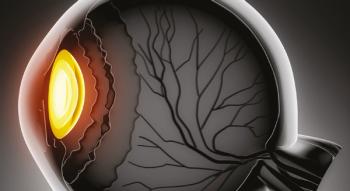
Artificial intelligence and genetic testing are expected to facilitate choosing the best treatment for each unique glaucoma patient within the next decade. This will not only lead to the best outcomes for individuals but will also spare them the costs and side effects of suboptimal treatments.

Evidence for a connection between low vitamin D levels and glaucoma is increasing but the link remains speculative and no causal connection has been demonstrated.

Intraocular drainage surgery in angle closure remains experimental and investigators are collecting data regarding its efficacy as well as adverse effects.
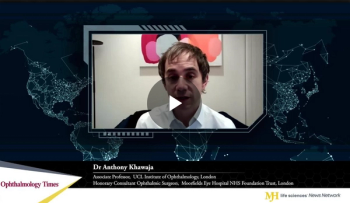
Dr Anthony Khawaja, speaks on how ophthalmologists can revolutionise the diagnosis and treatment of glaucoma through precision management.
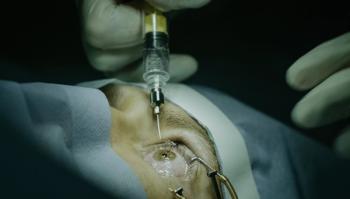
Surgeons can consider a relatively simple, inexpensive, efficient and accessible incision-free procedure to preserve blebs.

To date, the suprachoroidal space has not been a feasible route to reduce intraocular pressure in glaucoma. A new device promises to change that.

Tanner Ferguson, MD, Cole Eye Institute, discusses findings from the study "Trabecular Micro-bypass Stent Implantation (iStent)" + Phacoemulsification in PXG: Six-Year Outcomes," during the virtual AAO 2020 meeting.