





Interventional Glaucoma
Latest News

Advertisement
Video Series


CME Content












Advertisement

After accounting for key factors like eye length, researchers found no meaningful differences in corneal biomechanics between primary open-angle and primary angle-closure glaucoma.

The 17th European Glaucoma Society (EGS) Congress—being held in Brussels, Belgium, from 30 May to 2 June 2026—brings together glaucoma specialists across plenary sessions, hands-on surgical dry labs, national society symposia and cross-specialty debates.

The incision-free, image-guided femtosecond laser system targets the trabecular meshwork to reduce IOP without entering the eye. Prof. Gus Gazzard discusses the technology, the patient experience and the potential for earlier interventional glaucoma treatment

The next-generation FSYX ocular pressure adjusting pump adds wireless connectivity to transmit patient usage data to prescribing practices.

Michigan pediatric ophthalmologist advances childhood glaucoma care with longer-lasting Ahmed valves, Ologen, and new clues on prematurity glaucoma.

Three cases illustrate how earlier, proactive intervention can reduce medication burden and preserve vision across a range of glaucoma severity.
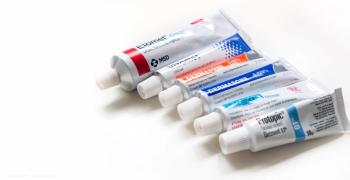
Danish JAMA Dermatology trials show short-term topical or oral corticosteroids don’t raise intraocular pressure, easing glaucoma worries in atopic dermatitis care.

Learn how IBD affects gut and beyond—risk factors, gender differences, eye complications, and treatment options to manage flares and protect vision.
AI-assisted screening in glaucoma clinics flags patient distress early, improving adherence and outcomes without adding staff burden.

Emerging evidence repositions role of selective laser trabeculoplasty

Professor Alió reflects on a new comprehensive volume dedicated to aging in ophthalmology

Melding ophthalmology and neurology

Mt. Sinai to introduce the miDOC system at the ASCRS annual meeting
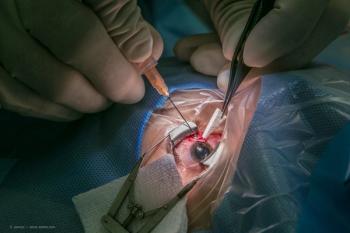
A trio of ASCRS presentations collectively offer insight to surgeons, suggesting that glaucoma drops harm meibomian glands, while combining cataract surgery with MIGS can boost long-term IOP control.
Oluwatosin U. Smith, MD, provides an overview of angle-based techniques, cyclodialysis cleft repair, and minimally invasive approaches to glaucoma surgical complications.


Key regulatory filings, phase 3 readouts, and trial enrollments to watch through June 30.

The prospective, multicenter study enrolled 318 patients across 20 US sites.

Ian Pitha, MD, PhD, argues that leveraging large-scale utilization data to identify the highest-impact medications could help the field get ahead of supply disruptions before they reach patients.

See which ophthalmology surgery centers earn US News’ 2026 high-performing badge, where they cluster, and why complication rates drop 40%.

The 3rd Winterthur Ophthalmology Symposium in Winterthur, Switzerland, on 12–13 March 2026 will feature plenary talks, hands-on workshops, satellite sessions, poster presentations, and a gala honoring the Otto Haab Medal.
Pitha discusses how ophthalmic drug shortages — more frequent and longer-lasting than the national average — are threatening adherence to glaucoma therapy.

Marta Pazos, MD, PhD, on how OCT and emerging AI can help spot preperimetric glaucoma years before vision loss while avoiding false positives from myopia and disc anatomy.

Experts share practical and research-based advancements, offering actionable strategies in diagnosis, treatment, and early detection.
Advertisement
Advertisement
Trending on Eye Care Network - Ophthalmology Times
1
Brepocitinib meets all Phase 3 end points in noninfectious uveitis
2
Myopia control using spectacle lenses with highly aspherical lenslets
3
CHMP recommends ranibizumab biosimilar Fovlussea for retinal disease
4
Duravyu misses wet AMD end point again as EyePoint pivots to DME
5