














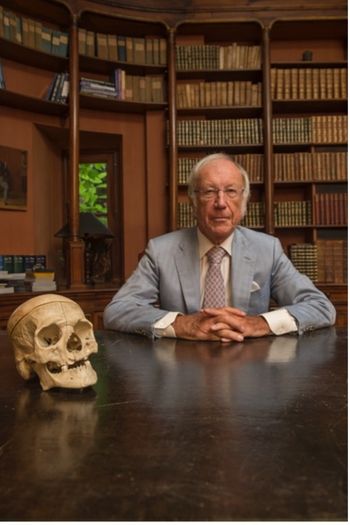
Dr Goes reflects on a life at the forefront of ophthalmology, considering advancements in technology and the knowledge that has changed his practice and improved outcomes for patients.

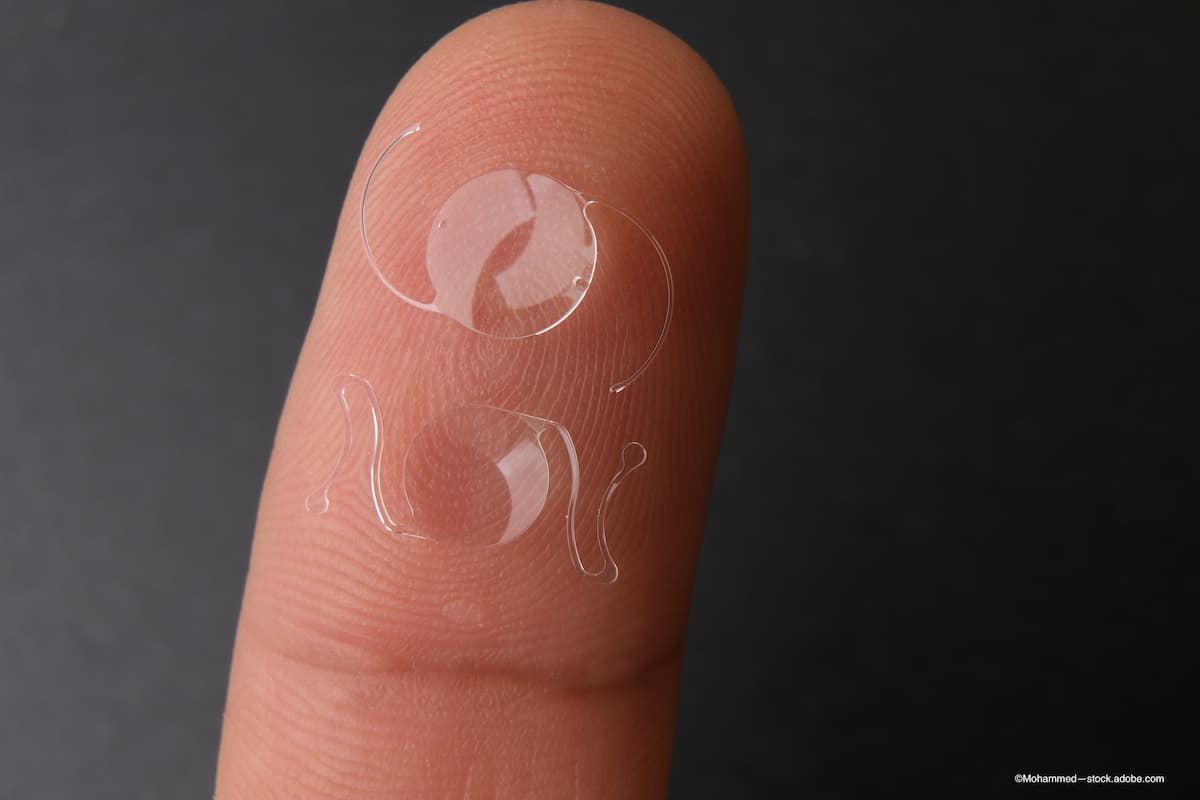
Dr Goes reflects on a life at the forefront of ophthalmology, considering advancements in technology and the knowledge that has changed his practice and improved outcomes for patients.

Dr Eva Chamorro points out that myopia control spectacle lenses affect the diurnal rhythms in the AL in young adult human and produced a small short-term increase in the AL that varies in intensity and time interval for each of the 3 studied lenses.
In a poster presented at the Association for Research in Vision and Ophthalmology’s 2022 annual meeting, Dr Osama Ibrahim Hirayama and colleagues offered results that demonstrating that anisometropia and astigmatic error were greater among the patients with high myopia compared with the other groups. Compared with the subjects with no myopia, those with high myopia reported significantly more dryness, less photophobia, and less pain.
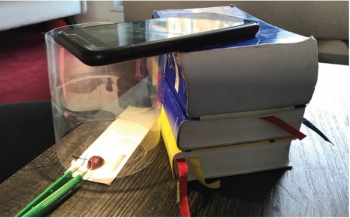
The pandemic has impacted ophthalmic surgical training. Exercises have been developed to provide key skills that can be practised simply at home and require no special equipment.
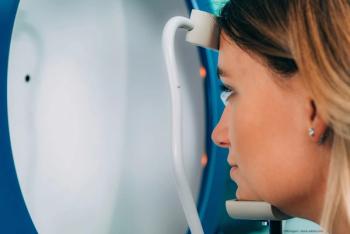
Light-based biometry is especially effective for providing accurate measurements inside the eye and evaluation of the ocular surface.

Thanks to recent innovation, ophthalmologists have several options at their disposal for the treatment of presbyopia.
An end-of-week review of what happened in ophthalmology from April 9-April 15.
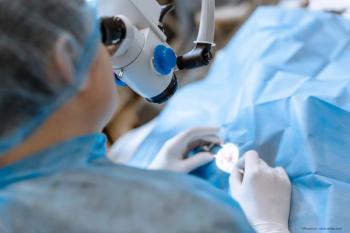
A large retrospective analysis was carried out to investigate various risk factors for endophthalmitis as well as the effect of using a hydrogel sealant.

Classification of new EDOF lenses allows surgeons to make an informed choice for the patient undergoing cataract surgery, to improve their quality of life without spectacles.

Cataract surgery in children is challenging because of the likelihood of posterior capsule opacification. This can be overcome with primary posterior laser capsulotomy coupled with bag-in-the-lens technology.

A very-high-frequency ultrasound device provides a range of detailed intraocular measurements that enable highly accurate ICL sizing and placement.

The healthcare sector has high greenhouse gas emissions, to which ophthalmology is a significant contributor. Reducing waste, reusing instruments and medication and increasing our use of telemedicine can all contribute to reducing the carbon footprint of our specialty.
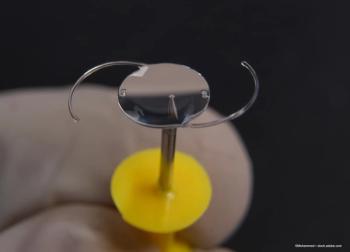
Researchers compared two novel lens designs using data obtained from 19 investigational sites in Australia, Canada, Spain and the UK.
The Malyugin Ring 2.0 simplifies challenging cases of small pupils with zonulopathy by both stabilising the capsular bag and dilating the pupil.

Corneal aberrations may occur more frequently than is generally appreciated, and they affect the visual outcomes following cataract surgery. Small-aperture optics provide a solution for a large category of patients who are otherwise not well served by complex IOLs.

The GMOPC was established in February 2020 at an inaugural meeting in Los Angeles, California, as an investigator-initiated clinical research study, with Heidelberg Engineering as an industry partner.

Dr Lisa Nijm discusses how utilising a dexamethasone intracanalicular insert after cataract surgery saves time for practices.

Laser vision advancements have made safe, reliable and stable procedures a reality.

Drug delivery solutions to manage pain after cataract surgery improves adherence.

Giving due consideration to preoperative marking and the surgical technique in toric IOL implantation, as well as being diligent about reviewing postoperative results, can improve patient outcomes whilst minimising the chance of errors.
The VIVID study focuses on three novel topical ophthalmic formulations under investigation for the treatment of presbyopia.
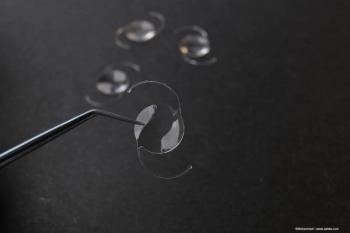
This three-part feature discusses tips for success when getting started with toric IOLs. Part 2 tackles calculating toric IOL sphere and cylinder power; though it can seem daunting when treating astigmatism, the process can be simplified with a few key considerations.
Dr Mohamed Abou Shousha discusses Heru’s wearable AI-powered diagnostic devices at AAO 2021.
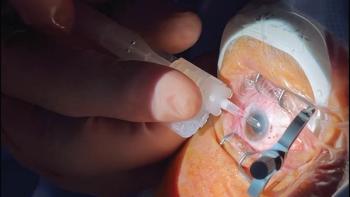
Patients desire spectacle independence at all distances. Early experience with a recently launched IOL suggests that it can satisfy their demands for extended depth of vision.
Dr Cathleen McCabe describes how VUITY, the first and only FDA-approved eye drop to treat age-related blurry near vision, provides opportunities for patients looking for spectacle independence.