

















Cataract & Refractive
Latest News
Advertisement
CME Content
Advertisement
Dislocation, decentration remain common issues; Accurate measurements, solid techniques can help

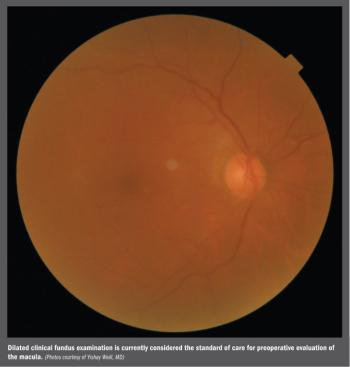
Study shows routine use may improve patient management, guide procedure planning
Better visual outcomes goal for patients who also have had glaucoma procedure
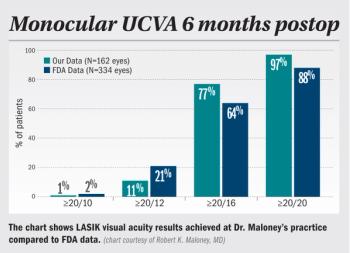
Surgeons use procedure to offer patients improved vision quickly with few side effects

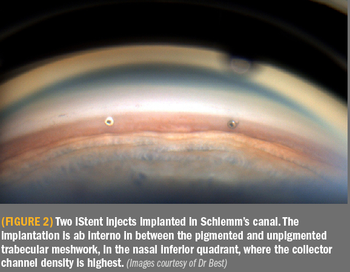
System preloaded with two trabecular bypass stents for ab interno implantation


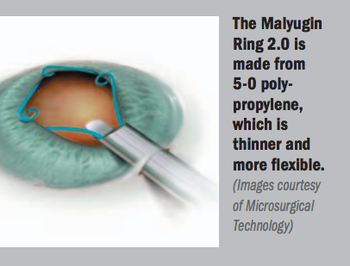

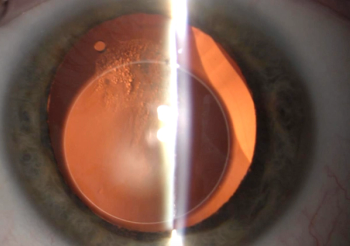
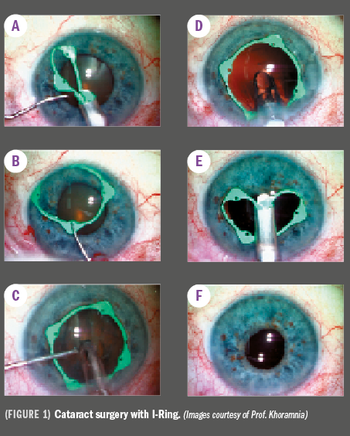
There is a strong link between alpha-blocking medications and floppy iris.
Clear lens exchange with implantation of a trifocal IOL is the best solution.
OCT-based biometers like the ARGOS allow for accurate measurement of very dense lenses in cataractous patients.
A new method for predicting the behaviour of multifocal IOLs has been developed. This methodology could be very useful for ophthalmologists, enabling them to know the potential effect of the implantation of an IOL in any type of eye prior to implantation.

The management of astigmatism can be accomplished during cataract surgery. Employing femtosecond lasers improves the accuracy, safety and predictability of arcuate incisions, as well as the alignment of toric IOL placement.
Advertisement
Advertisement
Trending on Eye Care Network - Ophthalmology Times
1
Alvotech files first known aflibercept 8 mg biosimilar with EMA
2
AAO 2026: How to become an ocular pain detective in dry eye
3
AAO 2026: Tinlarebant in Stargardt disease: Jacque Duncan, MD, on DRAGON results
4
AAO 2026: Vamikibart shows sustained gains in uveitic macular edema as FDA accepts BLA
5