





Cataract & Refractive
Latest News
Advertisement
Video Series






CME Content













Advertisement

The endorsement follows FDA approval in the United States this summer

A study demonstrates corneal endothelial cell density measured postoperatively does not differ whether the capsulotomy was performed using continuous curvilinear capsulorhexis (CCC) or precision pulse capsulotomy (PPC)
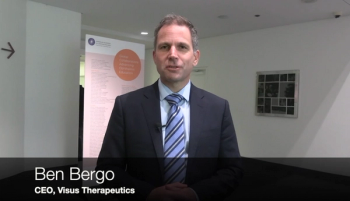
Ben Bergo, CEO of Visus Therapeutics, spoke with Ophthalmology Times about the BRIO-I study on presbyopia

The ESCRS Symposium focused on innovations in the digital cataract and refractive surgery space

Study results indicated low-light therapy can help prevent dry eye disease following cataract surgery

Surgeons can save space and optimise workflow efficiency in the operating room
Laser scleral microporation rejuvenates dynamic range of focus by increasing scleral pliability, allowing underlying structures to move more freely

The future of refractive surgery is bright, thanks to OCTs and advances in laser technology

At the meeting, ZEISS Meditec Ophthalmology showcased the VISUMAX 800 and a host of new launches

The medical director for Optegra has piloted corneal workflows and trifocal lenses presented at the meeting

The diagnostics company is using AI to screen for diabetic retinopathy, glaucoma and age-related macular degeneration

New cataract and refractive options from STAAR Surgical could come as early as this year
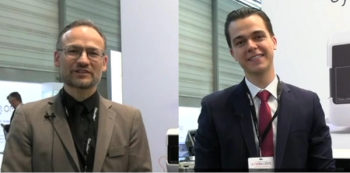
Two members of the team gave a preview of Geuder’s 2024 spotlight products
The diagnostic imaging experts will provide education through the Cybersight platform

At this year's ESCRS meeting, we visited the Oertli Instruments booth, where co-CEO and co-owner Thomas Bosshard highlighted the company's 3-platform approach.
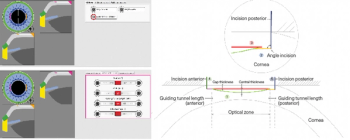
Lenticule extraction poses a provocative question–and a complicated answer

According to the company, the deal expands its European footprint into Spain and Portugal.

Advancements from Carl Zeiss Medical AG in the cataract and cornea space include a new intraocular lens and therapeutic laser enhancements.
The new platform incorporates the SILK procedure, allowing surgeons to perform refractive correction on patients with myopia.

The EUREQUO Annual Report celebrates 15 years and over 4 million surgical procedures in the registry.

Eva Kim, MD, spoke with our team to share insights from her presentation on ICL versus CLE at the Women in Ophthalmology Summer Symposium 2023 in Marco Island, Florida.
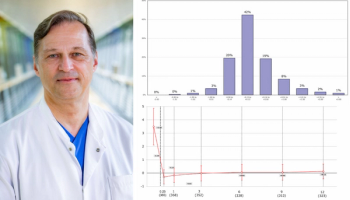
A multicentre study demonstrates comparable results to FS-LASIK

This year’s meeting will include boxing rings, ball gowns and a full schedule of engaging new symposia

Investigators found that implementing immediately sequential bilateral cataract surgery reduced the number of patient visits by 50%.

Orbis International physician spotlights the latest trends for cataract surgery training.
Advertisement
Advertisement
Trending on Eye Care Network - Ophthalmology Times
1
Alvotech files first known aflibercept 8 mg biosimilar with EMA
2
AAO 2026: How to become an ocular pain detective in dry eye
3
AAO 2026: Tinlarebant in Stargardt disease: Jacque Duncan, MD, on DRAGON results
4
AAO 2026: Vamikibart shows sustained gains in uveitic macular edema as FDA accepts BLA
5